A Top Democrat, Congressman Jim Himes, has urged his colleagues to support former President Donald Trump’s proposed expansion of the U.S. intelligence apparatus, sparking a national debate over national security and foreign policy. The move comes amid growing concerns over global threats and the role of intelligence agencies in addressing them. While the focus is on U.S. domestic politics, the implications of this shift could ripple across the continent, especially for Nigeria and other African nations.
What is the Spy Machine?
The term "spy machine" refers to the network of intelligence agencies, including the CIA, NSA, and FBI, which play a central role in U.S. national security. Trump’s proposed expansion aims to enhance surveillance capabilities and information-sharing with foreign partners. While the plan is framed as a necessary step to counter global threats, critics argue it could erode civil liberties and deepen international tensions. Congressman Jim Himes, a member of the House Intelligence Committee, has been vocal in advocating for increased funding and resources for these agencies.
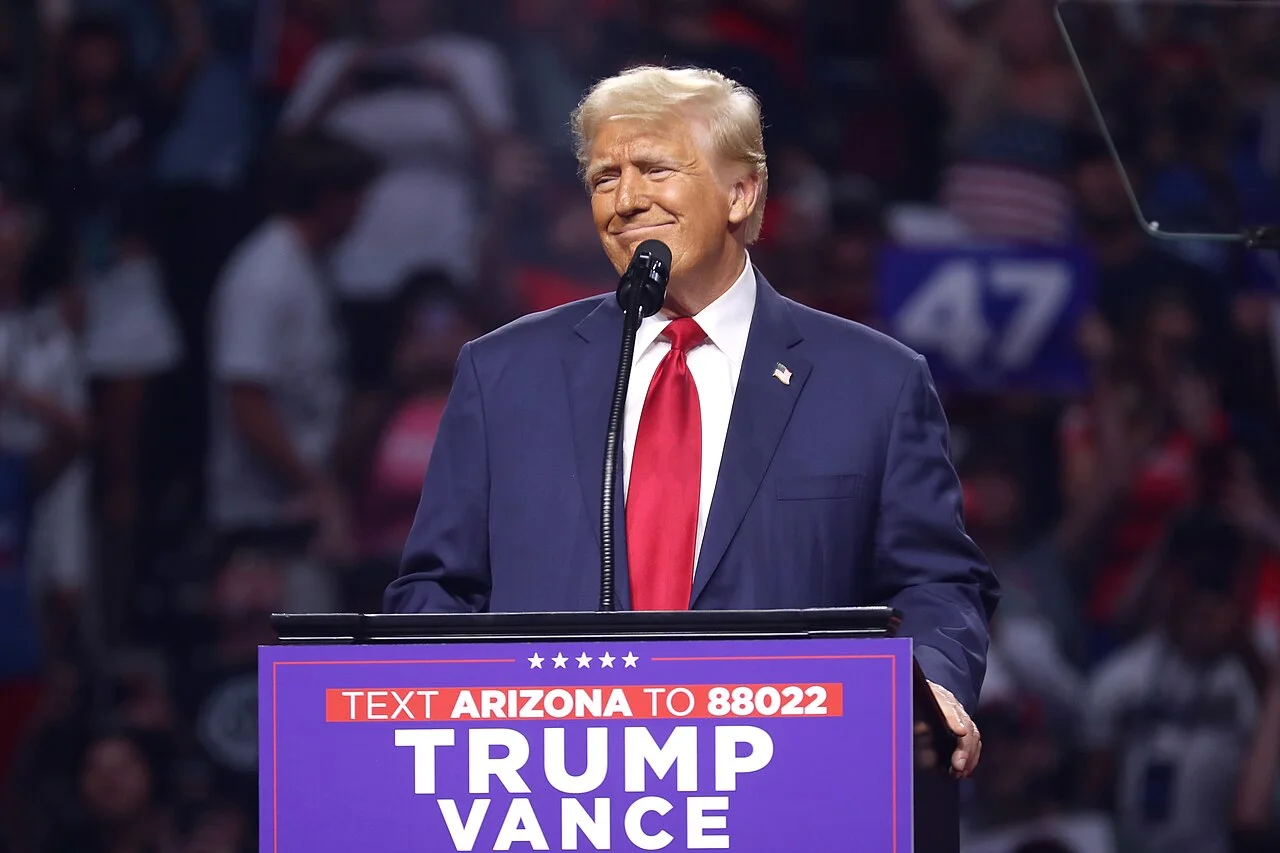
Some analysts suggest that the push for a stronger U.S. intelligence system could influence how African nations engage with U.S. security initiatives. Countries like Nigeria, which have long relied on U.S. support for counterterrorism and intelligence sharing, may find themselves in a more complex geopolitical landscape. The question is whether this expansion will strengthen or complicate efforts to address regional security challenges in Africa.
Why Support Trump Matters for Africa
The decision by a prominent Democrat to support Trump’s intelligence agenda raises broader questions about U.S. foreign policy direction. Historically, the U.S. has played a key role in shaping security frameworks across Africa, particularly in the Sahel and the Horn of Africa. A more aggressive U.S. intelligence approach could lead to increased surveillance and data-sharing with African allies, potentially improving intelligence cooperation but also raising concerns about privacy and sovereignty.
Nigeria, as Africa’s largest economy and a key U.S. partner, is likely to be directly affected. The country has faced persistent security challenges from groups like Boko Haram and ISIS-West Africa, and U.S. intelligence support has been crucial in combating these threats. However, the expansion of U.S. surveillance capabilities may also lead to greater scrutiny of African governments, complicating diplomatic and security relationships.
How Support Trump Affects Nigeria
Support for Trump’s intelligence agenda by a high-ranking Democrat could signal a shift in U.S. priorities, potentially leading to more robust intelligence collaboration with African nations. However, it also raises concerns about how this might be perceived by African leaders and citizens. Increased U.S. involvement in intelligence matters could be seen as a form of neocolonialism, undermining trust and autonomy.
In Nigeria, where concerns over government transparency and civil liberties are already high, the expansion of U.S. intelligence operations may trigger public backlash. The Nigerian government has long been cautious about foreign interference in domestic affairs, and any perceived overreach by U.S. agencies could strain bilateral relations. Additionally, the potential for data leaks or misuse of intelligence could have serious consequences for both U.S. and Nigerian interests.
What to Watch Next
The next few months will be critical in determining how this shift in U.S. intelligence policy affects Africa. If the proposed expansion moves forward, it could lead to increased intelligence cooperation with African nations, potentially enhancing counterterrorism efforts. However, it may also raise questions about the balance between security and civil liberties, especially in countries with fragile governance structures.
For Nigeria and other African nations, the key will be to navigate this new landscape carefully. Engaging in transparent dialogue with U.S. counterparts and ensuring that intelligence partnerships align with national interests will be essential. As the U.S. redefines its role in global security, African leaders must remain vigilant to protect their sovereignty while leveraging available resources for development and stability.