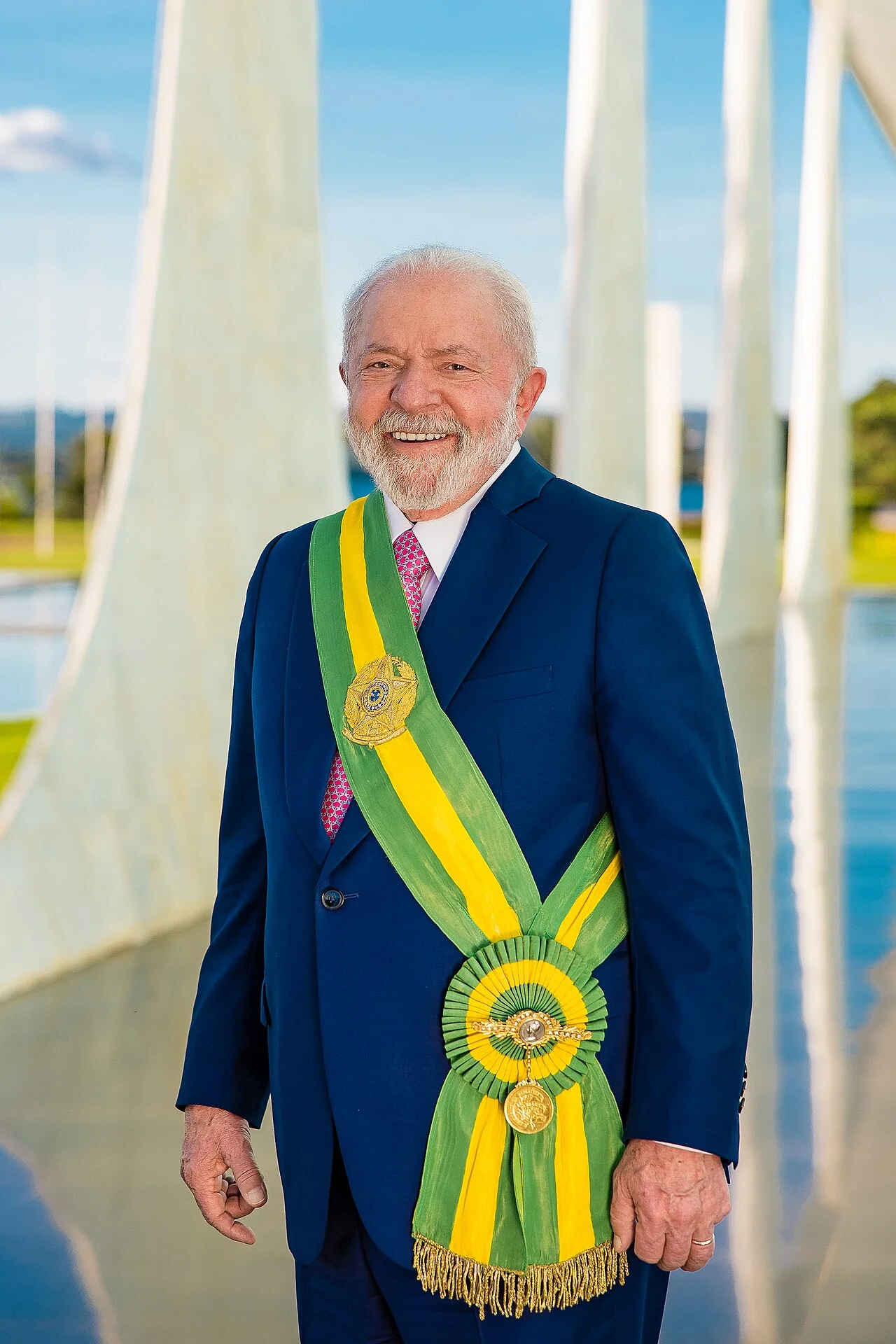
On Wednesday, Portuguese Sports Minister Margarida Balseiro Lopes praised Agate Sousa, a rising star in the sports sector, during a ceremony in Lisbon. The event, held at the Ministry of Sports headquarters, highlighted the growing role of sports in national development, with officials emphasizing its potential to drive economic growth and social cohesion across the continent.
The recognition of Sousa, a prominent figure in sports management, underscores the government’s commitment to leveraging sports as a tool for development. Balseiro Lopes, who has been vocal about the need to integrate sports into broader national strategies, stated that investing in sports infrastructure and talent development is crucial for achieving long-term economic and social goals.
How Sports Can Drive African Development
Across Africa, sports have increasingly been seen as a catalyst for development, with initiatives aimed at improving infrastructure, creating jobs, and promoting education. In Nigeria, for instance, the government has launched several programs to support local athletes and improve sports facilities, recognizing the sector’s potential to contribute to national growth.
Experts argue that sports can also play a significant role in addressing key challenges such as youth unemployment and social inequality. By investing in sports academies and training centers, African nations can provide young people with valuable skills and opportunities, aligning with the Sustainable Development Goals (SDGs) on education and economic growth.
Africa’s Sports Landscape and Regional Opportunities
The African continent has seen a surge in sports-related investments, with countries like Nigeria, South Africa, and Kenya leading the way. These efforts are not only improving the quality of sports infrastructure but also boosting tourism and attracting international sponsorships. For example, Nigeria’s recent hosting of major sporting events has drawn global attention and generated economic benefits.
However, challenges remain, including limited funding, poor governance, and inadequate facilities in many regions. Despite these obstacles, the growing interest in sports as a development tool offers a promising avenue for African nations to achieve sustainable growth and improve the well-being of their populations.
The Role of Governance in Sports Development
Effective governance is essential for the long-term success of sports initiatives. In Portugal, the Ministry of Sports has implemented policies to ensure transparency and accountability in the allocation of resources. These measures have helped to build trust among stakeholders and promote a more inclusive sports environment.
For African countries, strengthening sports governance is equally important. By adopting best practices and learning from international models, African nations can create more resilient and impactful sports programs. This, in turn, can contribute to broader development objectives, such as poverty reduction and improved public health.
Looking Ahead: The Future of Sports and Development
As the global focus on sports and development continues to grow, African nations are well-positioned to benefit from increased investment and collaboration. With the right policies and leadership, sports can become a powerful engine for change, driving economic growth, social inclusion, and national pride.
For now, the recognition of individuals like Agate Sousa serves as a reminder of the positive impact that sports can have on society. As countries across the continent continue to invest in their sports sectors, the potential for meaningful development remains vast and promising.