The July forecast by Cornwall Insight indicates that typical energy bills in the UK are set to rise by £332 per year, alarming consumers and businesses alike. This significant increase comes amidst ongoing global energy challenges and could have ramifications far beyond the UK, particularly in countries like Nigeria, where energy access remains a pressing issue.
Understanding the Cornwall Insight Forecast
Cornwall Insight, a leading energy consultancy, has revealed that the typical annual energy bill is projected to soar to £2,074 in July 2024. This spike is attributed to various factors, including fluctuating wholesale energy prices and geopolitical tensions, particularly involving major oil-producing nations like Iran.
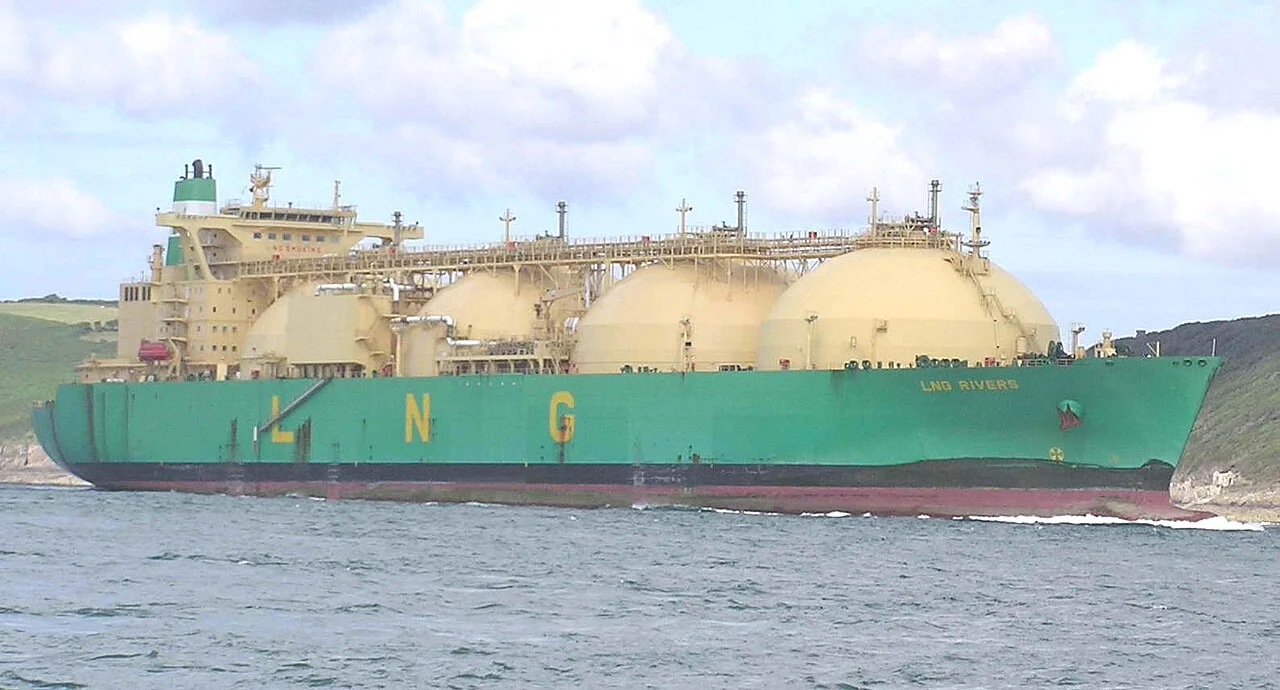
The forecast underscores the volatility of energy markets, which can ripple across the globe, impacting developing nations reliant on imported energy sources. As countries like Nigeria grapple with their own energy crises, the forecast draws attention to the interconnectedness of global energy dynamics.
Implications for African Development Goals
The rising costs of energy in developed nations have a direct impact on African development goals, especially regarding infrastructure and economic growth. For Nigeria, maintaining affordable energy is crucial for attracting investment and fostering industrial growth, which are pivotal for achieving Sustainable Development Goals (SDGs).
Access to affordable energy is a key driver for economic development in African nations. The increase in energy prices as forecasted may hinder progress towards these goals, exacerbating challenges such as poverty and unemployment in regions heavily dependent on consistent and affordable energy supply.
Continental Challenges and Opportunities
As the typical energy bills rise, Nigeria faces a unique challenge: balancing the demand for energy with economic feasibility. The nation is on a path to reform its energy sector, which has long been marred by inefficiencies and corruption. However, higher energy prices could deter investment in critical infrastructure improvements.
Conversely, this scenario also presents opportunities for Nigeria to invest in renewable energy sources, which could mitigate the impact of rising global energy costs. By diversifying its energy portfolio, Nigeria can enhance its energy security and provide more reliable access to electricity for its citizens.
Looking Ahead: What to Watch Next
In the face of rising energy costs, Nigeria must prioritise its energy sector reforms to ensure sustainable and affordable energy access. Policymakers should monitor global trends closely and consider strategic partnerships to harness renewable energy potential.
As the world watches the developments surrounding energy prices, Nigeria's ability to navigate these challenges will be crucial. The outcomes of these efforts could determine the nation's trajectory towards achieving its development goals amid an increasingly complex global energy landscape.