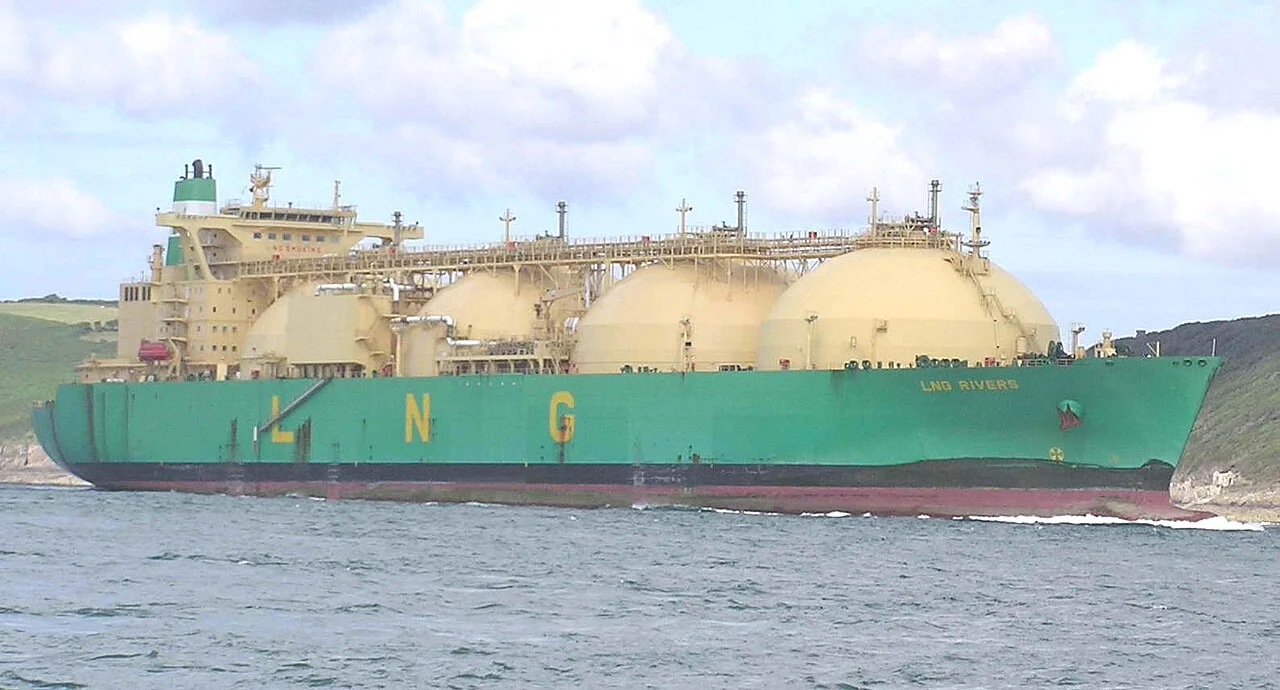
Stranded seafarers in the Gulf are facing severe hardship as they ration food and boil water for drinking, according to a report by News24. The situation has worsened following heightened tensions between Iran and regional powers, leaving hundreds of workers in limbo. Many of the seafarers, including several from African countries, are unable to return home due to disrupted shipping routes and restricted access to ports.
Stranded Workers Struggle for Basic Needs
Seafarers from countries such as Nigeria, Ghana, and Kenya are among those affected by the crisis. With limited supplies and no clear timeline for their return, they are relying on rationing and makeshift solutions to survive. One Nigerian worker, who spoke on condition of anonymity, said, “We are boiling water for drinking and eating whatever we can find.”
The situation highlights the vulnerability of maritime workers, many of whom are from developing nations. The lack of international coordination in such crises underscores a broader challenge in protecting the rights and safety of laborers in global trade networks. This issue is particularly relevant to African development goals, which emphasize labor rights and economic stability.
Iran’s Role in the Gulf Tensions
Iran has been at the center of rising tensions in the Gulf, with its actions affecting shipping and trade. The country’s restrictions on maritime traffic have led to delays and increased costs for global supply chains. Experts warn that these actions could have long-term implications for regional stability and economic growth.
What is Iran’s role in the current crisis? The country has been accused of interfering with commercial vessels, citing security concerns. However, its actions have sparked criticism from international bodies and trade organizations. This conflict is not just a regional issue but a global one, with ripple effects on trade and labor across the world.
Impact on African Laborers and Development
African seafarers, many of whom work on foreign-flagged vessels, are disproportionately affected by these disruptions. Their inability to return home or access basic necessities highlights the lack of support for migrant workers in international trade. This situation calls into question the effectiveness of labor protections and the need for stronger regional and global cooperation.
Why Seafarers matters in the context of African development is clear. The continent’s economic growth depends on stable labor markets and access to global trade routes. When workers are stranded or exploited, it undermines broader development goals, including poverty reduction and economic resilience.
What’s Next for Stranded Workers?
International organizations and governments are under pressure to act. Calls for urgent intervention have been made by labor unions and human rights groups, who argue that the plight of these workers should not be overlooked. However, political complexities and geopolitical rivalries have slowed progress.
For African nations, this crisis underscores the need for stronger advocacy on behalf of their citizens abroad. It also highlights the importance of diversifying trade routes and investing in local infrastructure to reduce dependence on volatile international networks. As the situation unfolds, the world will be watching to see if solutions emerge.
Seafarers Analysis Nigeria: A Call for Global Accountability
In Nigeria, where many seafarers originate, the crisis has sparked renewed debate about the treatment of migrant workers. Local leaders are calling for better protections and more transparent communication with international shipping companies. They argue that the government must play a more active role in ensuring the safety and welfare of its citizens working abroad.
What is Iran’s long-term strategy in the Gulf? While the answer remains unclear, the current crisis has exposed the fragility of global maritime systems. For African nations, it is a reminder of the need for stronger regional alliances and a more active voice in global trade discussions.