Russia's deepening ties with Iran have intensified global geopolitical tensions, with significant implications for African nations, particularly Nigeria. As the conflict in the Middle East escalates, the strategic alliances between Russia, China, and Iran are reshaping international power dynamics, affecting trade, security, and economic stability across the African continent.
The recent military and economic cooperation between Russia and Iran has been driven by mutual interests in countering Western sanctions and expanding regional influence. Russia has provided advanced weaponry and military support to Iran, while Iran has become a key market for Russian oil and gas exports. This partnership has also drawn China into the mix, as it seeks to expand its Belt and Road Initiative (BRI) and secure access to Middle Eastern resources.
Russia's Growing Influence in Africa
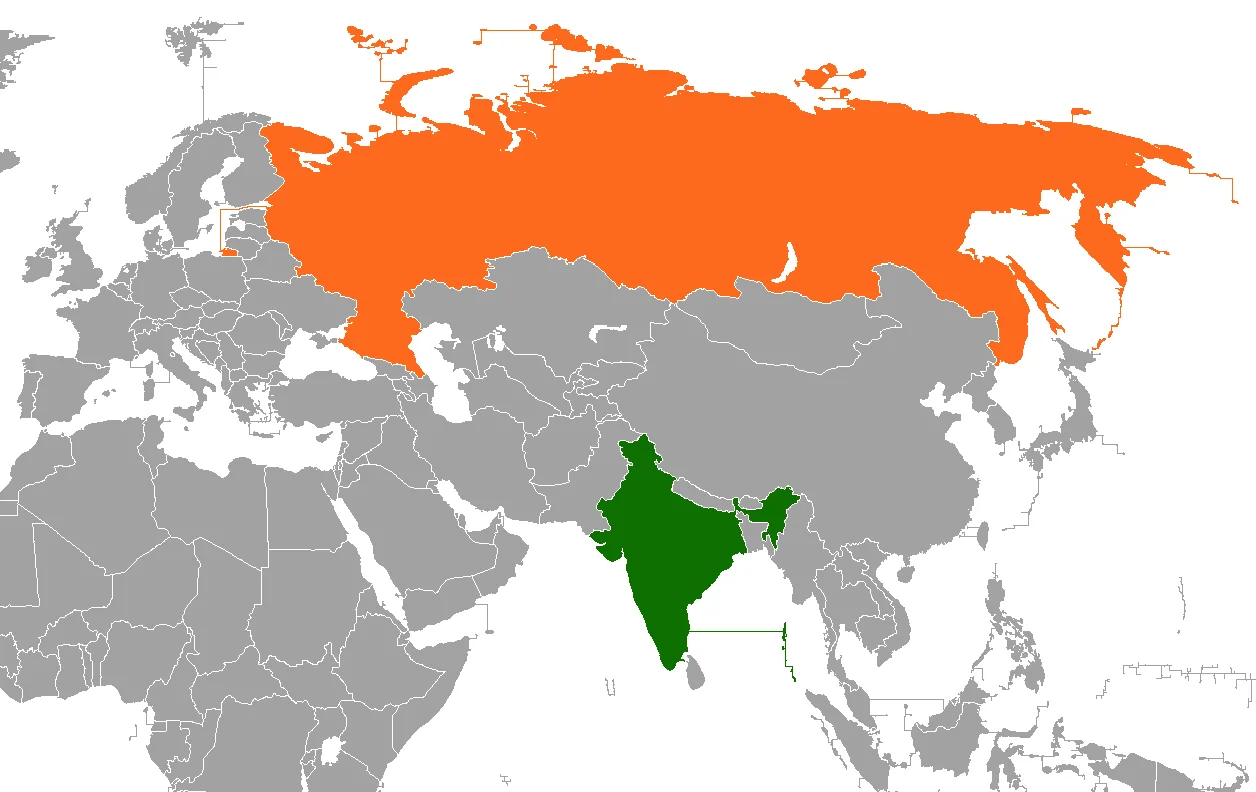
Russia's strategic engagement with African nations has been on the rise, particularly in countries like Nigeria, where it has expanded its military and economic presence. The Kremlin has been offering arms deals, energy investments, and diplomatic support to African leaders, positioning itself as an alternative to Western influence. This shift is particularly notable in Nigeria, where Russia has been increasing its role in the oil and gas sector and has signed several agreements to boost bilateral trade.
Analysts say that Russia's growing footprint in Africa is part of a broader effort to counter Western dominance. In Nigeria, the impact of Russia's involvement is felt in both the political and economic spheres. The country has been navigating a complex relationship with Moscow, balancing its traditional ties with the West against the opportunities presented by Russian investment and support.
China's Expanding Role in the Middle East
China's increasing presence in the Middle East, especially in Iran, has raised concerns among Western powers. As the world's second-largest economy, China has been investing heavily in infrastructure, energy, and trade across the region. Its growing relationship with Iran is part of a larger strategy to secure energy supplies and expand its influence in a region critical to global trade routes.
The implications for Nigeria are significant. As a major oil producer and a key player in Africa's energy market, Nigeria is closely watching how China's expanding role in the Middle East affects global oil prices and trade dynamics. Chinese investments in African infrastructure, including railways and ports, have also created new opportunities for economic growth, but they come with concerns about debt sustainability and geopolitical dependency.
African Development Goals in a Shifting Global Order
The evolving alliances between Russia, China, and Iran are having a direct impact on Africa's development goals. As the continent continues to grapple with challenges such as poverty, inequality, and underdeveloped infrastructure, the shifting balance of global power presents both opportunities and risks. African nations are increasingly looking for alternative partners to support their development agendas, moving beyond traditional Western donors.
However, the growing influence of non-Western powers also raises questions about the long-term sustainability of these partnerships. While Russia and China offer investment and trade opportunities, they also bring new geopolitical complexities. For Africa, the key challenge is to navigate these relationships in a way that promotes genuine development and sovereignty rather than dependency.
What's Next for Nigeria and Africa?
As the global power struggle intensifies, African nations must carefully assess their strategic partnerships. Nigeria, in particular, faces a critical decision: how to balance its relationships with Russia, China, and the West while advancing its national interests. The country's future will depend on its ability to leverage these relationships without compromising its economic and political independence.
For the continent as a whole, the growing influence of Russia and China offers a new chapter in African diplomacy. The challenge lies in ensuring that these new alliances contribute to sustainable development, improved governance, and long-term economic stability. As the world watches the evolving dynamics in the Middle East, Africa's role in this new global order will be a key determinant of its future.