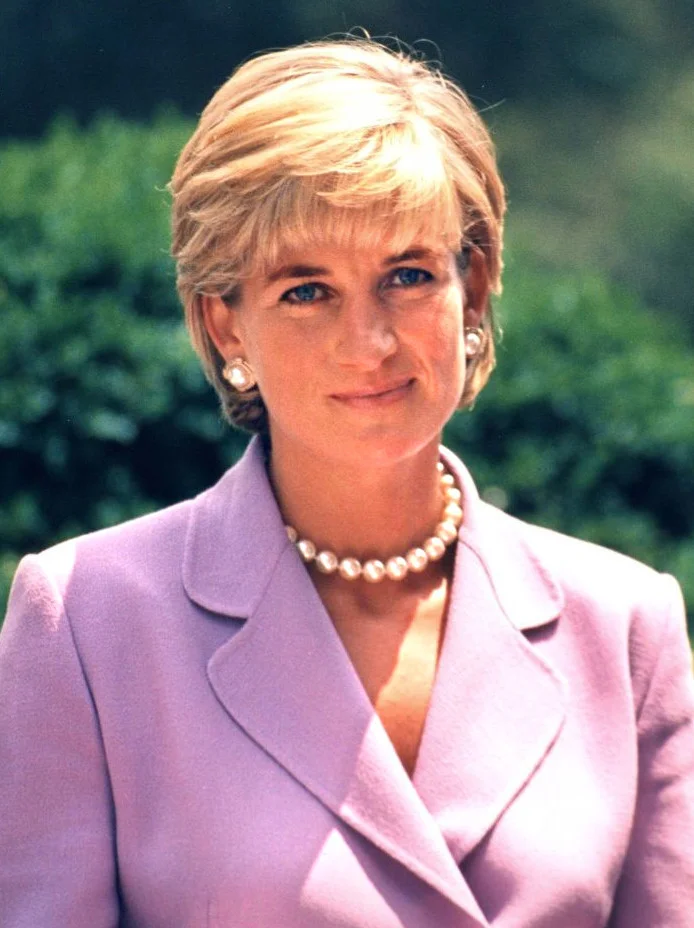
Michele Obama, former First Lady of the United States, delivered a powerful quote that resonated across Africa, highlighting the importance of personal narrative in shaping identity and resilience. The quote, shared during a recent public engagement, came at a time when African nations are redefining their development paths and seeking to empower their citizens.
Michelle Obama’s Quote and Its Relevance to African Narratives
Michelle Obama’s statement, “Your story is what you have, what you will always have,” underscores the significance of individual and collective narratives in driving change. In Africa, where diverse cultures and histories shape national identities, the power of storytelling is increasingly being recognized as a tool for development. From grassroots movements to national policies, narratives are being used to inspire action and foster unity.

The quote aligns with African development goals, which emphasize the importance of inclusive growth and social equity. By recognizing the value of personal stories, African leaders and communities are encouraged to embrace diverse perspectives and promote a more holistic approach to progress. This is particularly relevant in a continent where many voices have historically been marginalized.
Impact on African Development and Governance
As African nations work to build stronger institutions and improve governance, the message of self-determination and resilience is crucial. The quote serves as a reminder that development is not just about economic indicators but also about empowering individuals and communities. This aligns with the United Nations Sustainable Development Goals (SDGs), which stress the importance of people-centered development.
Several African leaders have echoed similar sentiments, emphasizing the need for inclusive policies that reflect the lived experiences of citizens. In countries like Kenya, Ghana, and South Africa, there is a growing recognition that effective governance must be rooted in the stories and aspirations of the people it serves.
Education and Health: Building on Personal Narratives
Education and health are two sectors where the power of personal narratives can make a significant impact. In many African countries, efforts are underway to improve access to quality education and healthcare, with a focus on understanding the unique needs of different communities. By listening to and valuing the stories of those affected, policymakers can create more effective and equitable systems.
Michelle Obama’s words resonate with initiatives that prioritize community-driven solutions. For instance, in Nigeria, local leaders are using storytelling to raise awareness about public health issues, while in Rwanda, education programs are incorporating cultural narratives to improve student engagement and outcomes.
Looking Ahead: What to Watch
As African nations continue to navigate complex development challenges, the emphasis on personal and collective stories is likely to grow. The message from Michelle Obama serves as a call to action for leaders, educators, and citizens to value and amplify diverse voices in the pursuit of progress. This shift could lead to more inclusive policies and greater public participation in shaping the continent’s future.
With the upcoming African Union summits and regional development conferences, the conversation around storytelling and development is expected to gain momentum. African leaders and civil society will be closely watching how these narratives are integrated into policy frameworks and development strategies.