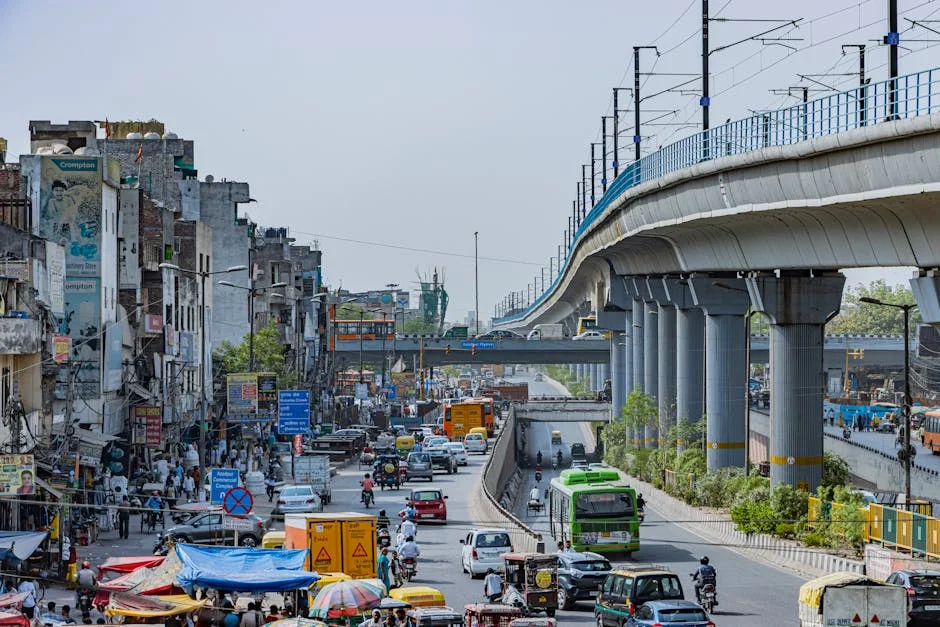
Goa, a coastal state in India, has seen a sharp decline in green spaces as urban development accelerates, raising concerns about environmental sustainability. Local authorities and residents are now grappling with the consequences of unchecked construction, which has transformed once lush landscapes into concrete jungles. The issue has sparked debates on balancing growth with ecological preservation, a challenge that resonates with many African nations striving for sustainable development.
Urban Expansion Threatens Natural Habitats
The town of Goa, known for its rich biodiversity and scenic beauty, has witnessed a surge in real estate projects and infrastructure development. Over the past five years, more than 30% of its natural green areas have been converted into residential and commercial zones, according to a recent report by the Goa State Planning Board. This shift has led to increased air pollution, loss of wildlife habitats, and a decline in groundwater levels, all of which are critical for long-term environmental health.

Local environmentalists argue that the rapid urbanization is not just a local issue but a warning for other developing regions, including many in Africa. “The same pattern of unregulated growth is visible in cities across the continent,” said Dr. Anjali Desai, an environmental scientist based in Mumbai. “If we don’t learn from these mistakes, we risk repeating them on a larger scale.”
Residents Demand Sustainable Policies
Residents of Goa have started to voice their concerns, demanding stricter regulations on construction and greater investment in green infrastructure. A recent public forum organized by the Goa Environment Council saw over 500 attendees, many of whom called for a moratorium on new projects in ecologically sensitive areas. “We want to preserve our heritage and ensure a livable future for our children,” said Ravi Mehta, a local schoolteacher and community activist.
The local government has responded by proposing a new urban planning policy that prioritizes green spaces and sustainable development. However, critics argue that the policy lacks enforceable mechanisms and may not address the root causes of the environmental degradation. “We need more than just plans; we need action,” said Mehta.
Lessons for African Development
The situation in Goa highlights a broader challenge for African nations as they seek to balance economic growth with environmental protection. Many African countries are experiencing similar urbanization pressures, with cities like Nairobi, Lagos, and Johannesburg facing similar issues of deforestation, pollution, and habitat loss. The lessons from Goa underscore the importance of integrating environmental considerations into national development strategies.
African leaders have increasingly recognized the need for sustainable development, as outlined in the African Union’s Agenda 2063. This framework emphasizes the importance of green infrastructure, climate resilience, and environmental governance. However, the implementation of such policies remains inconsistent across the continent.
Looking Ahead: A Call for Global Accountability
As Goa continues to grapple with its environmental challenges, the situation serves as a reminder of the global nature of ecological issues. For African nations, the experience highlights the need for stronger environmental governance, public participation, and international cooperation. “We cannot afford to sacrifice our natural resources for short-term gains,” said Dr. Desai. “The future of our continent depends on it.”
With increasing pressure from both local and international stakeholders, the Goa government is under growing scrutiny to deliver on its environmental promises. The coming months will be critical in determining whether the state can strike a balance between development and sustainability—a lesson that could shape the future of African development as well.