Violence at the Qadir Muslim Shrine in the Middle East has escalated, drawing global attention and raising concerns about regional stability. The conflict, which began during Ramadan, has led to clashes between rival Muslim groups, resulting in several casualties and heightened tensions. The situation has not only affected the Middle East but also sparked discussions about its potential impact on Nigeria and other African nations.
The Qadir Shrine, a site of deep religious significance, has become a focal point of the conflict. The unrest, which started as a dispute over access to the shrine, has spiraled into broader sectarian violence. Local authorities have struggled to contain the situation, with reports of curfews and military presence in the area. The incident has also raised concerns about the role of religious leaders in mediating such conflicts.
Qadir and Its Broader Implications
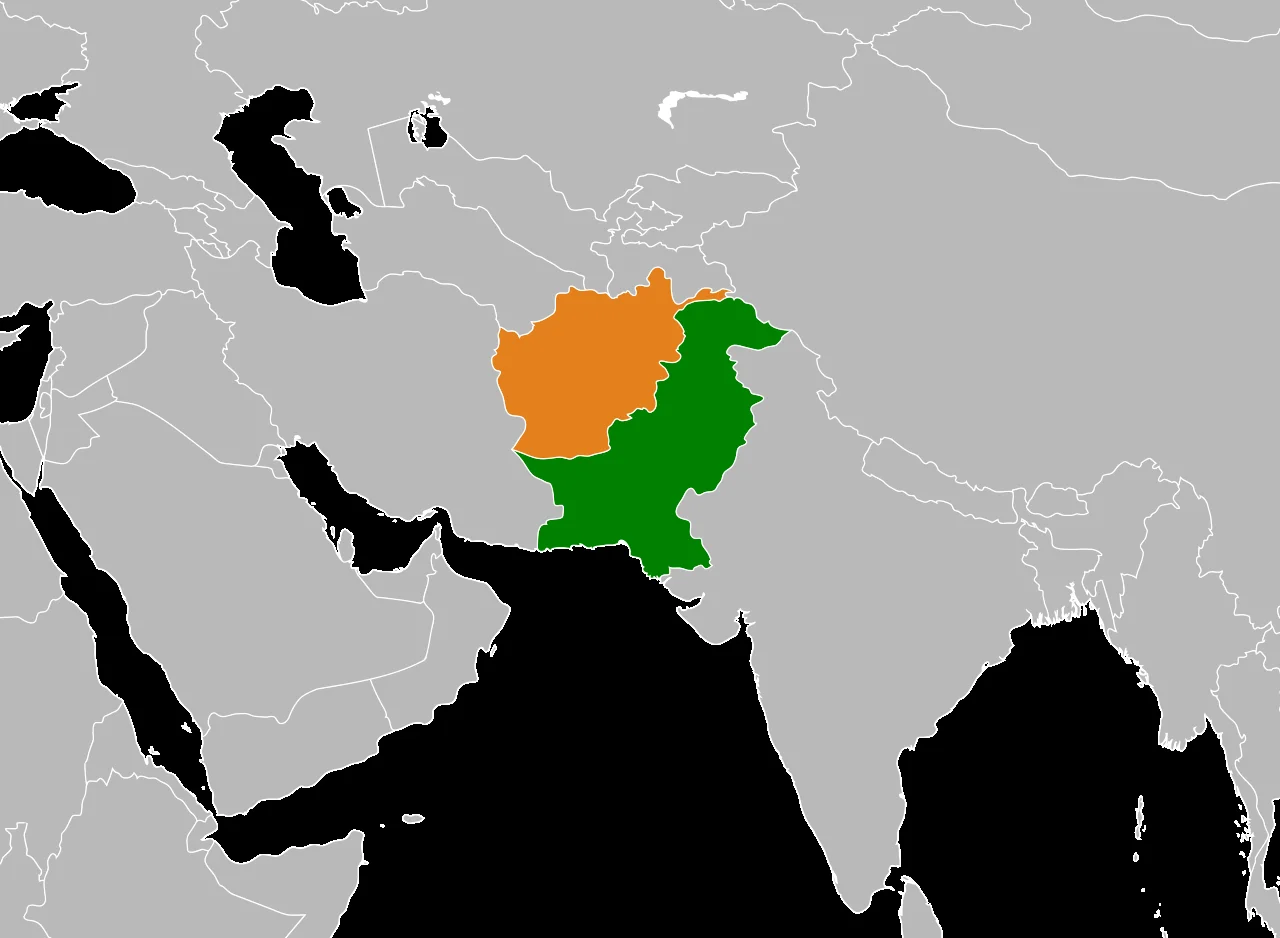
The Qadir Shrine, located in the Middle East, is a historic site that has long been a symbol of unity for certain Muslim communities. However, the recent violence has exposed deep divisions within the region. The conflict has been fueled by political and economic factors, with external actors allegedly supporting different factions. This has led to fears of a wider regional conflict that could destabilize the Middle East further.
Analysts warn that the Qadir crisis could have ripple effects across Africa, particularly in countries with significant Muslim populations. Nigeria, with its large Muslim minority, is especially vulnerable. The situation has prompted calls for greater regional cooperation to prevent the spread of violence and to address the root causes of such conflicts.
Impact on Nigeria and African Development
The Qadir crisis has raised alarms in Nigeria, where religious tensions have occasionally flared. While the country has largely maintained peace, the situation in the Middle East serves as a reminder of the fragility of communal harmony. Nigerian leaders have called for vigilance and dialogue to prevent similar unrest at home.
Nigeria’s development goals, including poverty reduction, education, and infrastructure, could be affected if religious conflicts spill over. The government has emphasized the need for inclusive policies that address both economic and social grievances. Experts suggest that investing in education and interfaith dialogue could help mitigate the risks of religious violence.
Religious Politics and Regional Stability
The Qadir conflict has also highlighted the role of religious politics in the Middle East. Political leaders have often used religious sentiments to rally support, sometimes at the expense of national unity. This pattern is not unique to the Middle East and has parallels in parts of Africa, where religion can be a tool for political mobilization.
In Nigeria, the interplay between religion and politics is a sensitive issue. The Muslim community, which constitutes a significant portion of the population, has long sought greater representation and protection of its interests. The Qadir crisis has intensified debates about how to balance religious freedom with national security and development.
What to Watch Next
As the situation in the Middle East continues to evolve, the international community is closely monitoring developments. Diplomatic efforts are underway to de-escalate the conflict, but progress has been slow. The role of regional organizations, such as the African Union, in addressing such crises is also under scrutiny.
For Nigeria and other African nations, the Qadir crisis serves as a wake-up call. It underscores the need for stronger regional cooperation, better conflict resolution mechanisms, and a more inclusive approach to development. As the world watches, the focus remains on preventing further violence and ensuring that development efforts are not undermined by instability.