Israeli Prime Minister Benjamin Netanyahu has sparked global controversy after comparing Genghis Khan to Jesus, claiming no offense was intended. The remark, made during a public address, has drawn sharp criticism from religious groups and international leaders, raising concerns about the sensitivity of historical figures and the implications of such comparisons.
Netanyahu’s comment, which was widely reported in global media, has been interpreted as a provocative attempt to draw parallels between the Mongol conqueror and the Christian figure. The statement, while seemingly light-hearted, has been condemned as disrespectful and inflammatory, especially in regions where religious figures hold deep cultural significance.
What is Netanyahu and Why Does He Matter?
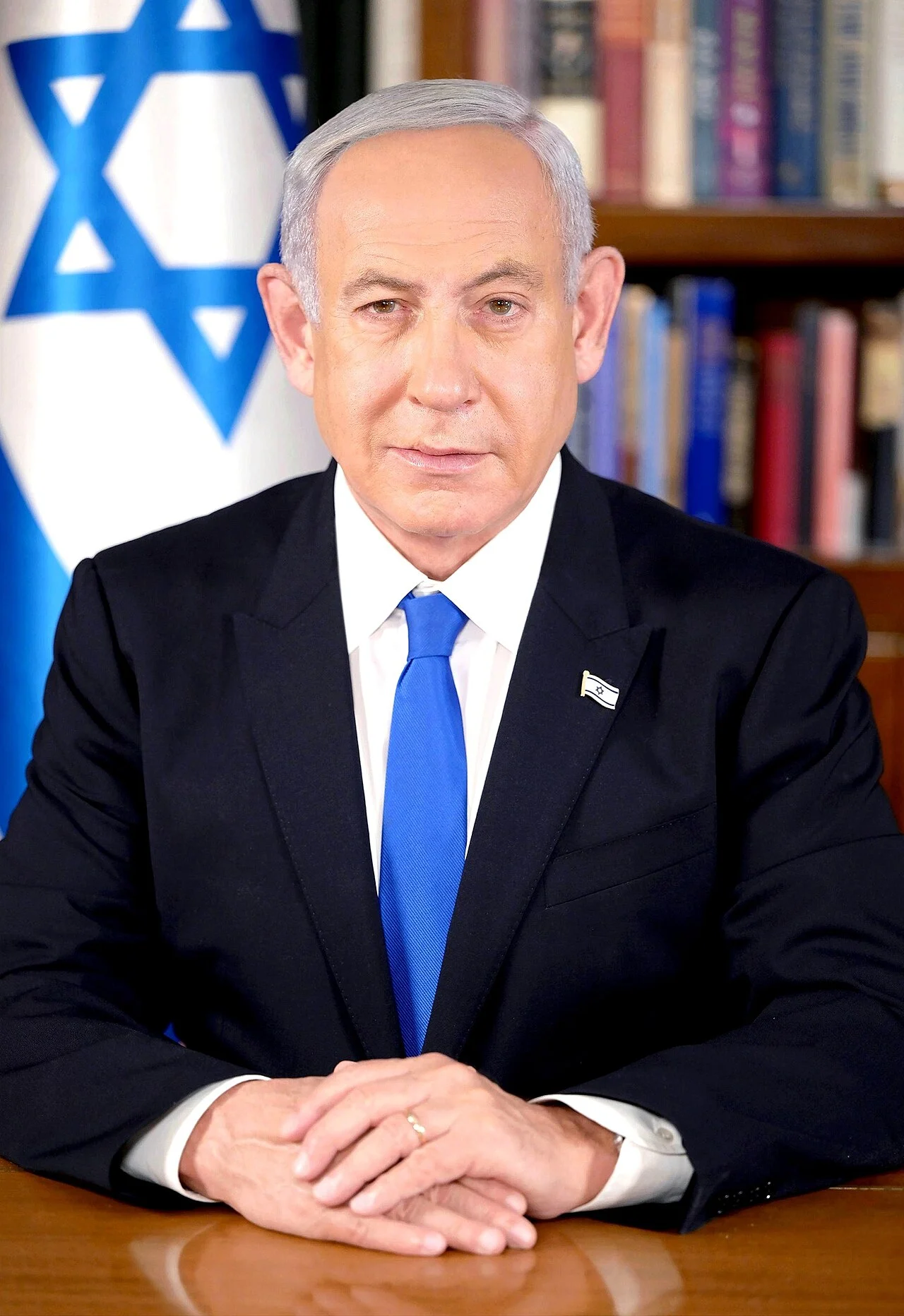
Benjamin Netanyahu, the longest-serving prime minister in Israeli history, has been a central figure in Middle Eastern politics for over two decades. His leadership has shaped Israel’s domestic and foreign policies, including its approach to the Israeli-Palestinian conflict and its relations with global powers. Netanyahu’s statements often carry weight, influencing regional and international discourse.
His recent remarks on Genghis Khan and Jesus have reignited debates about the responsibility of political leaders in addressing historical and religious matters. While Netanyahu insists he meant no harm, the fallout highlights the delicate balance between free speech and cultural sensitivity in an interconnected world.
Why Israeli Matters in the Global Context
Israel, a key player in the Middle East, has a significant impact on global politics, security, and diplomacy. Its relationships with countries across Africa, including Nigeria, are shaped by trade, security cooperation, and shared interests in regional stability. Netanyahu’s comments, though made in Israel, have the potential to influence how the country is perceived globally.
For African nations, the implications of such statements may seem distant, but they underscore the broader challenges of international diplomacy and the need for cultural awareness. As African countries seek to strengthen ties with global partners, the conduct of world leaders plays a role in shaping these relationships.
How Israeli Affects Nigeria and African Development
Israel and Nigeria have maintained diplomatic and economic ties, with cooperation in areas such as agriculture, technology, and security. The Nigerian government has expressed interest in learning from Israel’s advancements in innovation and agriculture, particularly in addressing food security and climate resilience. However, controversial remarks by Israeli leaders can strain these relationships.
Nigeria, like many African nations, is focused on achieving the United Nations Sustainable Development Goals (SDGs), particularly those related to education, health, and economic growth. The perception of Israel as a responsible and respectful global actor can influence the willingness of African countries to engage in deeper partnerships.
What This Means for African Development and Pan-Africanism
The incident highlights the importance of responsible leadership in fostering international cooperation. As Africa continues to pursue development goals, the actions of global leaders can either strengthen or hinder progress. The continent’s push for greater autonomy and influence on the world stage requires careful diplomacy and mutual respect.
For African nations, the challenge lies in balancing engagement with global powers while maintaining their own cultural and historical values. The fallout from Netanyahu’s remarks serves as a reminder that words, even if not intended as insults, can have lasting consequences in the global arena.