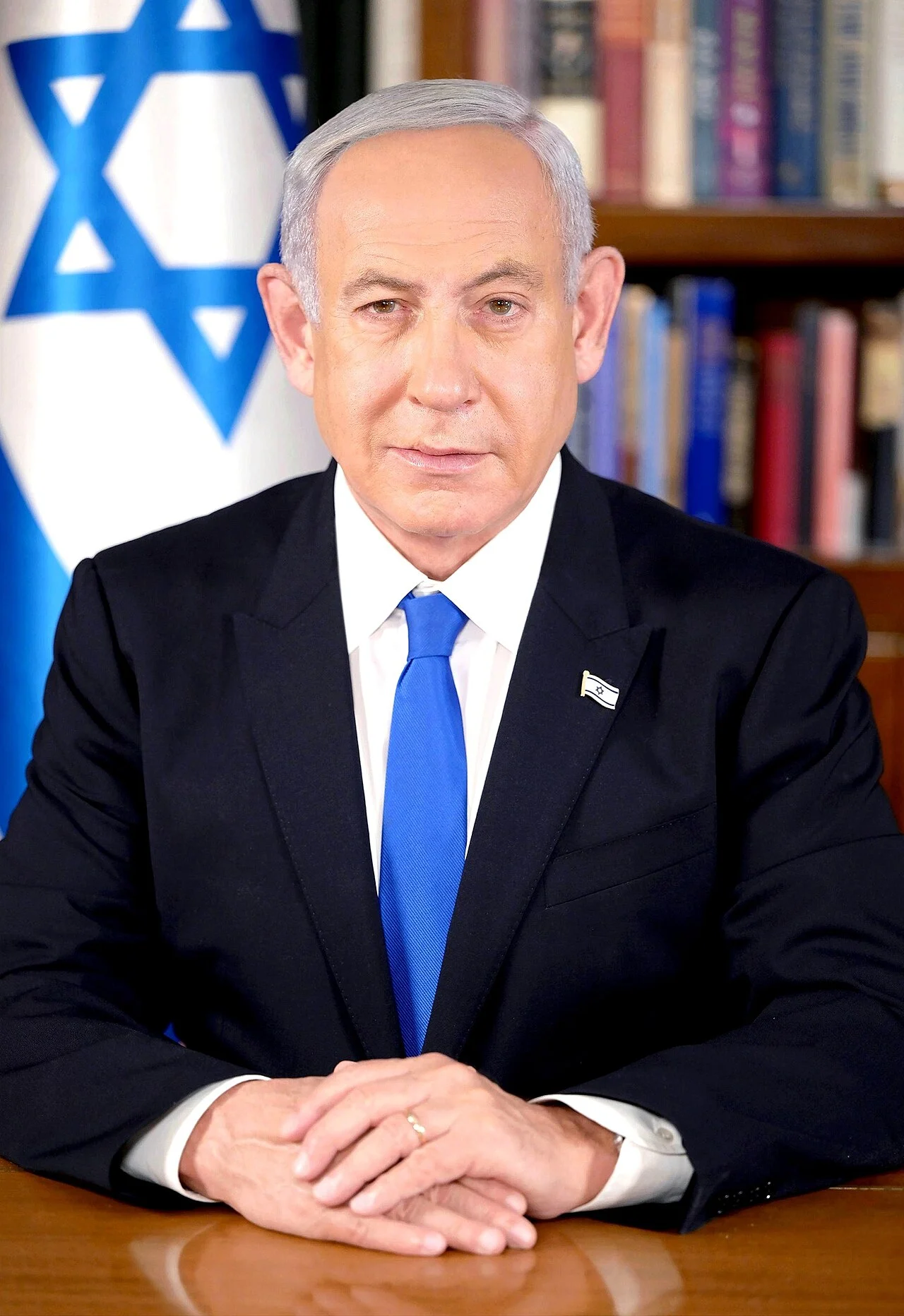
The Iran House Speaker has publicly mocked the United States following reports that an F-35 fighter jet was allegedly shot down by Iranian forces, a claim that has sparked international debate. The incident, which occurred in the Persian Gulf, has raised questions about regional security and the growing tensions between Iran and the US. While the US has not officially confirmed the incident, the Iranian leader's remarks reflect a broader narrative of defiance against Western influence in the Middle East.
The statement by the Iran House Speaker comes amid heightened geopolitical tensions in the region. The F-35 jet is one of the most advanced fighter aircraft in the world, and any downing of such a plane would mark a significant escalation in military confrontation. The Iranian official’s comments, however, have been interpreted as a challenge to US military dominance, with implications that could ripple across the globe, including in Africa.
Struck Analysis Nigeria
Struck, a term often used in Nigerian political discourse, refers to a perceived act of aggression or injustice by external powers. In the context of the F-35 incident, the term highlights the broader concerns of African nations regarding foreign interference and the use of military force. Nigeria, as a key player in the African continent, has long advocated for non-interference and peaceful conflict resolution. The Iranian House Speaker’s remarks may resonate with some African leaders who view US military actions as a threat to sovereignty.
While the direct impact of the F-35 incident on Nigeria remains unclear, the broader implications of US-Iran tensions are significant. African countries, many of which have historical ties to both the US and Iran, are increasingly cautious about being drawn into regional conflicts. The Nigerian government has consistently called for dialogue and diplomacy, emphasizing the need for peaceful resolutions to international disputes.
The incident also underscores the growing importance of Africa in global geopolitics. As African nations seek to assert their independence and shape their own destinies, the actions of major powers like the US and Iran are closely watched. The Iranian House Speaker’s comments may serve as a reminder to African leaders that external actors often have their own agendas, and that vigilance is necessary in maintaining national interests.
Iran House Speaker General Update
The Iran House Speaker’s recent statements have drawn attention not only for their content but also for their timing. In a period of increasing regional instability, the speaker’s remarks may be seen as an attempt to bolster domestic support and project strength on the global stage. This aligns with a broader strategy of asserting Iran’s position as a regional power, even in the face of international sanctions and pressure.
For African nations, the situation highlights the complex web of international relations that can affect development and stability. The US and Iran are both significant players in global trade and investment, and their conflicts can have indirect consequences on African economies. As Nigeria and other African countries continue to seek partnerships and investment, the stability of global powers is a key factor in shaping economic opportunities.
The Iranian leader’s comments also reflect a broader trend of rising nationalism and resistance to Western influence. In Africa, this has manifested in calls for greater self-reliance and regional cooperation. As the continent works towards achieving the Sustainable Development Goals, the role of external actors in shaping Africa’s future remains a critical issue.
Iran House Speaker Impact on Nigeria
The impact of the Iran House Speaker’s statements on Nigeria is largely indirect but significant. While the immediate consequences of the F-35 incident are unclear, the broader implications for international relations could affect Nigeria’s foreign policy and economic strategies. The Nigerian government has maintained a neutral stance in the US-Iran conflict, but the situation could force a re-evaluation of its diplomatic approach.
Nigeria’s role in regional and continental organizations, such as the African Union and the Economic Community of West African States, means that it is closely monitoring developments in global politics. The Iranian House Speaker’s remarks may influence how Nigeria engages with both Western and non-Western powers, particularly in the context of trade, security, and development partnerships.
As Africa continues to navigate its path towards sustainable development, the actions of global powers will remain a key factor. The Iranian House Speaker’s comments serve as a reminder that international relations are not just about military might but also about the broader impact on global stability and economic growth.
Why Struck Matters
Struck, as a concept, represents the intersection of power, perception, and consequence in international relations. In the context of the F-35 incident, it highlights the potential for misinterpretation and escalation in a highly sensitive geopolitical environment. For African nations, understanding the implications of such events is crucial in shaping their own foreign policies and development strategies.
Struck analysis Nigeria underscores the importance of vigilance and strategic thinking in the face of global power dynamics. As Nigeria and other African countries work towards economic growth and regional stability, the actions of major powers will continue to shape their opportunities and challenges.
The Iranian House Speaker’s comments, while not directly affecting Nigeria, serve as a reminder of the interconnected nature of global politics. In a world where events in one region can have far-reaching consequences, African nations must remain engaged and informed to navigate the complexities of the modern international order.