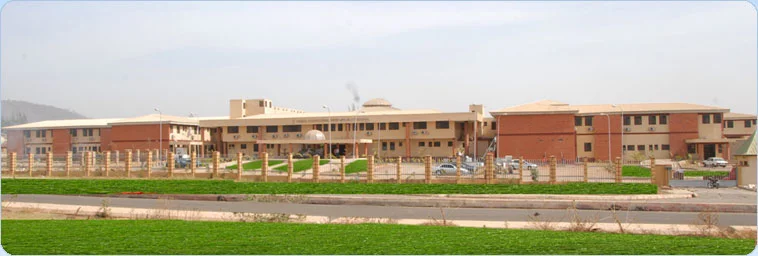
The Hospital de Évora in Portugal has signed a 13.3 million euro protocol with local and international stakeholders to enhance healthcare infrastructure and services, a move poised to influence African development goals. The agreement, announced on 15 October 2023, focuses on expanding medical training, technology transfer, and cross-border health partnerships. While the hospital is based in Portugal, its initiatives are expected to address systemic challenges in African healthcare systems, including resource gaps and access disparities.
Healthcare Infrastructure as a Development Catalyst
The protocol underscores the critical role of healthcare infrastructure in achieving Sustainable Development Goals (SDGs), particularly SDG 3 (Good Health and Well-being). Hospital de Évora’s collaboration with African nations aims to strengthen diagnostic capabilities, train medical professionals, and improve disease prevention frameworks. For instance, the plan includes establishing a regional training centre in Évora, which will offer specialized courses for African healthcare workers. This aligns with Africa’s need to build self-sufficient health systems amid rising non-communicable diseases and persistent infectious disease outbreaks.

Dr. Ana Paula Martins, a leading Portuguese health official involved in the agreement, emphasized the project’s potential to bridge gaps in African healthcare. “This initiative is not just about funding; it’s about creating sustainable models that empower local communities,” she stated. The hospital’s focus on telemedicine and digital health tools could address rural-urban divides, a major barrier to healthcare access across the continent. However, critics argue that without strong governance frameworks, such projects risk duplication of efforts or misallocation of resources.
Ana Paula Martins’ Role in Shaping Health Policies
Dr. Ana Paula Martins, a prominent figure in Portuguese public health, has been instrumental in linking European healthcare innovations to African development priorities. Her previous work on cross-border health agreements has drawn attention for its emphasis on equity and long-term partnerships. The 13.3M€ protocol builds on her advocacy for “health diplomacy,” where collaboration between regions fosters mutual growth. For Nigeria, which faces challenges like maternal mortality and vaccine distribution, such partnerships could provide scalable solutions.
Health analysts note that Martins’ involvement adds credibility to the initiative. “Her track record in implementing community-focused health programs makes her a key player in ensuring these projects meet local needs,” said Dr. Amina Johnson, a health policy expert in Lagos. The protocol’s success will depend on aligning with African Union health strategies, such as the Africa Health Strategy 2023–2030, which prioritizes regional integration and capacity building.
Challenges and Opportunities for African Nations
While the protocol presents opportunities, it also highlights lingering challenges in African healthcare. Many countries struggle with underfunded systems, brain drain, and political instability. The Hospital de Évora’s approach, which combines technology and training, could mitigate some of these issues. For example, digital health platforms could reduce reliance on physical infrastructure, a critical advantage in regions with limited resources.
However, experts caution against overreliance on foreign initiatives. “Sustainable development requires local ownership,” said Professor Kwame Osei, a Ghanaian health economist. “Partnerships must prioritize African leadership and adapt to regional contexts.” The protocol’s emphasis on knowledge transfer—such as sharing data analytics tools and clinical protocols—could help African nations build internal expertise, a step toward reducing dependency on external aid.
What’s Next for the Protocol and African Health?
The next phase involves finalizing partnerships with African governments and NGOs. Initial focus areas include Nigeria, Kenya, and Senegal, where the hospital plans to pilot mobile health units and digital diagnostic networks. Monitoring mechanisms will be crucial to assess impact, with results shared through the African Union’s health monitoring framework.
For Nigeria, the initiative could accelerate progress toward its National Health Strategic Plan, which targets universal health coverage by 2030. However, success hinges on addressing systemic issues like corruption and bureaucratic delays. As the protocol unfolds, its ripple effects on African development goals will depend on transparency, collaboration, and a commitment to equitable outcomes.