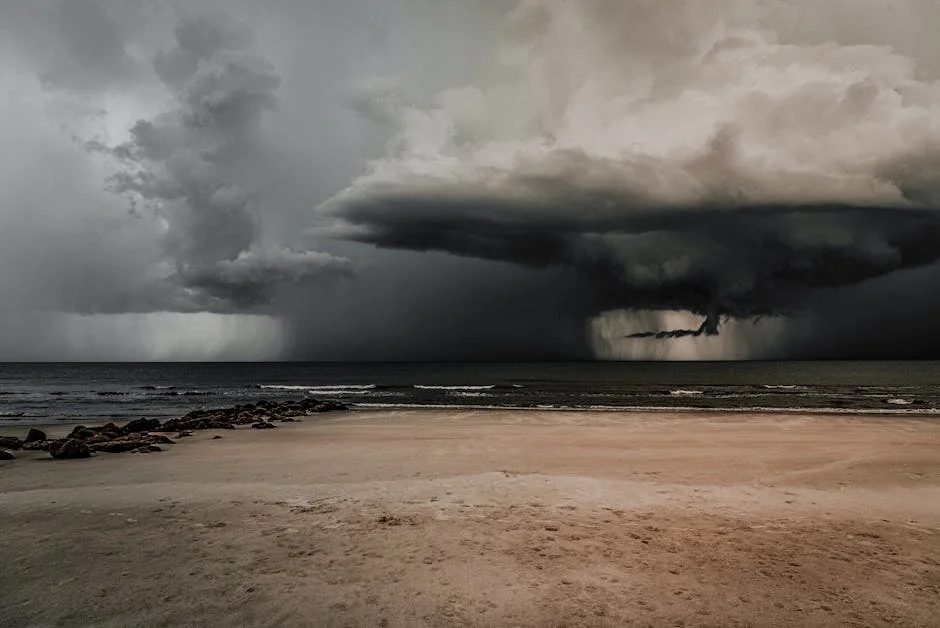
Heavy hail and flooding rains hit four provinces in South Africa on Saturday, causing widespread disruption to infrastructure, agriculture, and daily life. The severe weather, which began on March 16, has left communities grappling with damaged homes, blocked roads, and power outages, raising concerns over the country's resilience to climate-related shocks. The impact of the weather event underscores the ongoing challenges of climate adaptation, a key component of Africa's development goals.
Severe Weather Disrupts Daily Life and Infrastructure
The provinces affected include KwaZulu-Natal, Mpumalanga, Gauteng, and Limpopo, all of which have seen significant damage to roads, bridges, and public services. In KwaZulu-Natal, a major agricultural hub, crops were destroyed, threatening food security and livelihoods. The South African Weather Service warned of the potential for further heavy rains in the coming days, heightening fears of prolonged disruptions.

Local authorities have mobilized emergency response teams to assess the damage and provide aid to affected communities. However, the scale of the disaster has overwhelmed some local resources, highlighting the need for stronger national and regional disaster preparedness mechanisms. The incident also raises questions about the long-term sustainability of infrastructure in the face of increasingly unpredictable weather patterns.
Climate Change and Development Goals
The recent weather crisis aligns with broader concerns about climate change's impact on Africa's development trajectory. As the continent works toward achieving the United Nations Sustainable Development Goals (SDGs), particularly those related to poverty reduction, food security, and resilient infrastructure, such disasters pose significant setbacks. South Africa, as one of Africa's largest economies, has a critical role to play in setting regional climate adaptation strategies.
Experts argue that without substantial investment in climate-resilient infrastructure and early warning systems, similar events could become more frequent and more damaging. The World Bank has previously warned that climate-related disasters could push millions of Africans into poverty, emphasizing the urgent need for coordinated action across the continent.
Impact on Agriculture and Economic Growth
Agriculture is a cornerstone of South Africa's economy and a major source of employment for millions. The hail and flooding have devastated farmlands, particularly in the eastern provinces, where smallholder farmers are among the hardest hit. This has raised concerns about the potential ripple effects on food prices and economic growth, especially as the country continues to recover from the impacts of the COVID-19 pandemic.
Government officials have pledged to provide financial assistance to affected farmers, but many argue that more needs to be done to build long-term resilience. The incident highlights the need for greater investment in climate-smart agriculture and insurance mechanisms that can protect farmers from extreme weather events.
Call for Regional Cooperation and Climate Action
The weather crisis has also reignited calls for stronger regional cooperation on climate issues. As part of the African Union, South Africa is expected to play a leading role in advocating for climate finance and support for vulnerable nations. The recent event underscores the importance of the African Development Bank's initiatives to fund climate adaptation projects across the continent.
Activists and policymakers are urging governments to prioritize climate action in their development planning. With the global climate summit in Egypt later this year, the situation in South Africa serves as a stark reminder of the urgent need for international support and collaboration to address the growing climate crisis in Africa.