Asian stock markets showed mixed performance on Tuesday, with global investors closely watching the evolving geopolitical tensions involving Iran and the broader implications for energy prices. Oil prices dipped to $107 per barrel as concerns over potential conflict in the Middle East persisted, while U.S. futures rose, signaling cautious optimism in global markets. The developments come amid growing scrutiny of China's economic strategies and their ripple effects across the African continent.
China's Economic Influence on Global Markets
China, the world's second-largest economy, continues to shape global trade and investment flows. Recent policy shifts and trade negotiations have led to fluctuations in Asian markets, with investors reassessing risk exposure. The country’s Belt and Road Initiative (BRI) has expanded infrastructure projects across Africa, creating both opportunities and challenges for local economies. As global markets react to these shifts, African nations remain closely monitoring how China's economic decisions could affect their development trajectories.
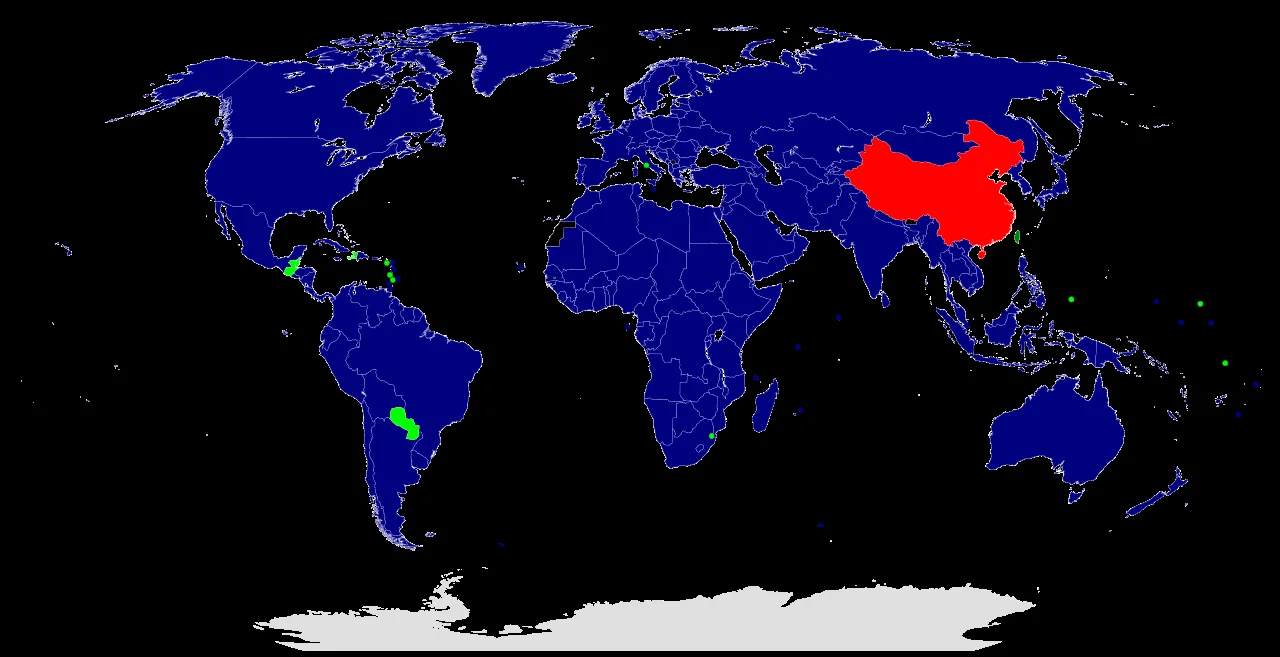
The impact of China on Nigeria, Africa’s largest economy, is particularly significant. Nigerian policymakers and business leaders are increasingly aware of the dual role China plays—offering infrastructure investment and trade partnerships while also raising concerns about debt sustainability and economic dependency. Analysts suggest that Nigeria must balance its engagement with China to maximize developmental gains while mitigating risks.
Market Volatility and Geopolitical Risks
The ongoing tensions between Iran and Israel have added to global market uncertainty. The Middle East remains a key region for oil production, and any escalation in hostilities could disrupt supply chains and push oil prices higher. This instability has led to cautious trading in Asian markets, where investors are hedging against potential shocks. Hong Kong, a major financial hub, has seen increased volatility as traders assess the implications for global trade and investment flows.
As oil prices fluctuate, the economic impact on African countries—many of which are net oil importers—remains a concern. A rise in energy costs could strain public budgets and slow down development progress. However, some African nations with oil exports may benefit from higher prices, depending on their economic structures and trade relationships.
African Development Goals in the Global Context
African development goals, including the African Union’s Agenda 2063, emphasize economic growth, infrastructure development, and sustainable resource management. The current market dynamics, influenced by China’s economic policies and global geopolitical tensions, highlight the need for African countries to diversify their economies and strengthen regional cooperation. Without strategic planning, external shocks could derail progress toward long-term development objectives.
Infrastructure remains a critical area for African development, with China playing a major role in funding and building roads, railways, and energy projects. However, there is a growing call for greater transparency and accountability in these investments to ensure that they align with local needs and environmental standards.
What’s Next for African Markets?
As global markets continue to evolve, African nations must remain vigilant in monitoring how external factors affect their economic stability. The interplay between China’s economic strategies, global energy prices, and regional conflicts will shape the continent’s development prospects in the coming months. Policymakers and investors alike are advised to stay informed and prepared for potential shifts in the global economic landscape.
For African markets, the key will be to leverage opportunities presented by global trade while safeguarding against risks. With the right policies and international partnerships, the continent can navigate the current volatility and continue its path toward sustainable growth and development.