Pedro, a key figure in Nigerian sports governance, has announced a sweeping initiative to increase the number of licensed referees and federated athletes across Africa, positioning the move as a critical step toward achieving the continent’s development objectives. The plan, unveiled at a regional sports summit in Lagos, seeks to address systemic gaps in sports infrastructure and talent cultivation, aligning with the African Union’s Agenda 2063 goals for economic growth and youth empowerment.
Pedro’s Vision for Sports-Driven Development
Pedro, head of the Nigerian Football Federation (NFF), emphasized that expanding sports participation would create jobs, improve public health, and foster social cohesion. “Sports is a catalyst for development,” he stated during the summit. “By training more referees and registering athletes, we’re not just building teams—we’re building communities.” The initiative includes a 50% increase in certified referees by 2025 and a 30% rise in federated athletes, targeting underrepresented regions in Nigeria and neighboring countries.
Local experts note that the plan could address long-standing challenges in African sports, such as poor officiating standards and limited access to training. “Pedro’s focus on grassroots development is timely,” said Dr. Amina Okoro, a sports economist. “With 60% of Africa’s population under 25, investing in sports can reduce unemployment and promote civic engagement.”
Linking Sports to Continental Development Goals
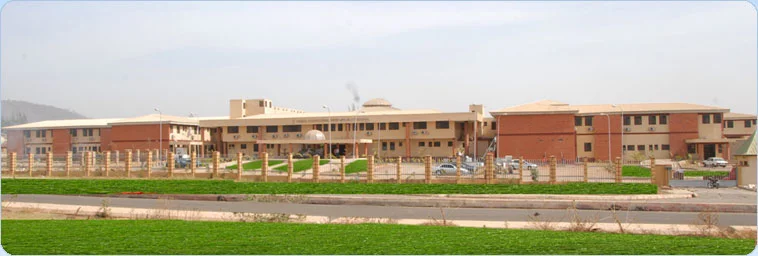
The initiative aligns with the African Union’s Agenda 2063, which prioritizes “a peaceful and stable Africa” and “a competitive continent.” Pedro highlighted how sports can drive infrastructure growth, citing Nigeria’s recent investment in 200 new sports facilities. “These venues will double as community hubs for education and health programs,” he said. The NFF also plans to partner with tech firms to create digital training platforms, bridging the gap between urban and rural areas.
However, critics argue that without addressing broader governance issues, the plan may face hurdles. “Corruption and mismanagement have plagued African sports bodies for decades,” said activist Kemi Adebayo. “Pedro’s success depends on transparent funding and accountability mechanisms.”
Challenges and Opportunities in Implementation
Implementing the strategy requires overcoming logistical and financial barriers. Many African nations lack the resources to train referees or maintain sports infrastructure. Pedro acknowledged this, pledging to seek funding from the African Development Bank and private investors. “We’re not asking for handouts—we’re offering a return on investment,” he said, citing studies showing that every dollar invested in sports generates $5 in economic activity.
The plan also faces competition from global sports organizations. FIFA and the Confederation of African Football (CAF) have their own development programs, but Pedro argues his approach is more localized. “We’re focusing on the grassroots, where real change happens,” he said. Pilot programs in Ghana and Kenya have already seen a 20% rise in youth participation, offering a blueprint for expansion.
What’s Next for Pedro’s Initiative?
With the first phase of the plan set to launch in 2024, stakeholders are closely watching its impact. The NFF has established regional training centers in Lagos, Nairobi, and Dakar, aiming to certify 5,000 referees within two years. If successful, the model could be replicated across the continent, potentially boosting Africa’s performance in international competitions and attracting global sponsorships.
For now, Pedro’s vision remains a test of Africa’s ability to harness sports as a tool for development. As the continent grapples with rising youth unemployment and underinvestment in public services, his strategy could offer a blueprint for turning challenges into opportunities—provided it delivers on its promises.