Nigeria's influential Todos group has made a significant move by abandoning its religious affiliations, marking a shift towards a more secular approach to governance. This change could have far-reaching implications for Nigeria's political landscape and its pursuit of development goals.
Theodosia Movement and Its Religious Roots
Todos, also known as Theodosia Movement, has been a prominent force in Nigerian politics and society since its founding in the early 20th century. Historically, it was closely aligned with Christian denominations, particularly within the Anglican Church. However, recent developments show that Todos has decided to separate itself from these religious ties, embracing a more secular identity.
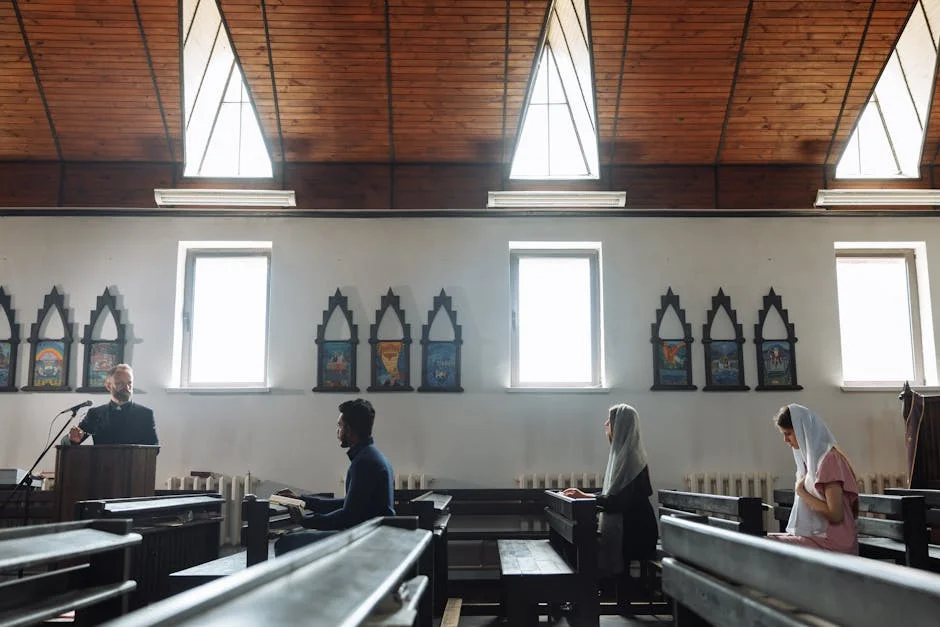
This decision is not just a symbolic gesture but reflects a broader trend in Nigerian society where traditional religious institutions are increasingly intertwined with political power. By stepping away from its religious roots, Todos aims to present itself as a more inclusive and modern political entity.
Implications for Governance and Development
Theodosia Movement’s secular turn is significant for Nigeria's governance and development. It aligns with the country's aspirations to build a more equitable and progressive society, where governance is not dominated by religious or ethnic considerations alone. This move supports the goal of creating a more merit-based system that values individual talent and achievement over traditional affiliations.
In the context of African development, this shift highlights the importance of secular governance in achieving economic stability and social progress. Many African countries have seen political instability and economic stagnation tied to religious and ethnic divisions. By moving towards secularism, Nigeria can potentially set an example for other nations on the continent, demonstrating how to overcome such challenges.
Economic Growth and Social Cohesion
Theodosia Movement's abandonment of religion is expected to boost economic growth and social cohesion. With a more secular approach, Todos can attract a wider range of talented individuals to leadership roles, regardless of their religious background. This inclusivity can lead to innovative policies and better representation of diverse communities within Nigeria.
Economically, a secular governance model can foster a business-friendly environment by reducing the influence of religiously motivated economic policies. This is crucial for attracting foreign investment and supporting domestic industries, which are vital components of Nigeria's long-term economic strategy.
Challenges Ahead
Despite the potential benefits, Todos faces several challenges in implementing its new secular vision. There may be resistance from traditional supporters who were drawn to the group because of its religious identity. Additionally, changing public perception will require consistent and effective communication about the advantages of a secular approach to governance.
Furthermore, Todos must navigate the complex web of Nigerian politics, where religious and ethnic identities often play significant roles. Building alliances with other secular-minded groups and maintaining strong connections with various communities will be essential for success.
Looking Forward
Theodosia Movement's decision to abandon religion marks a pivotal moment in Nigerian politics. As Todos continues to evolve, it will likely serve as a model for other African countries seeking to modernize their governance structures and achieve sustainable development. By embracing secularism, Todos demonstrates a commitment to building a future where governance is driven by shared values rather than religious affiliation.