Nigerian football giants have vanished from the scene, leaving behind a legacy of glory and heartache. The once-proud teams that dominated the local league now struggle to maintain relevance, prompting questions about the future of the sport in the country.
The Disappearance of Local Legends
Historically, Nigerian football has been rich with talent and success. However, recent years have seen a decline in the fortunes of some of its most iconic clubs. Teams such as Enugu Rangers, Shooting Stars, and Julius Berger have faced financial difficulties and administrative challenges, leading to their near-disappearance from the national stage.
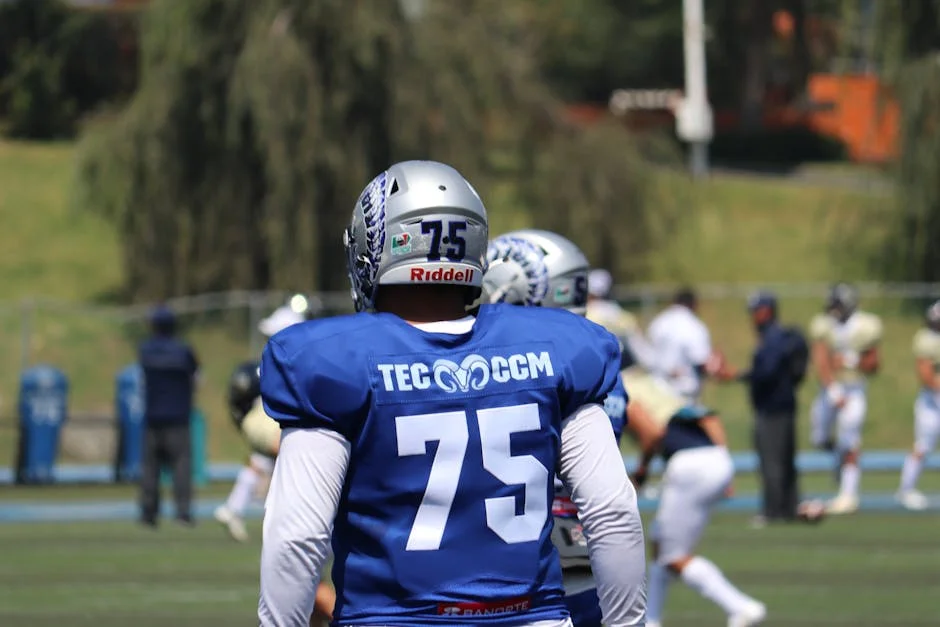
In contrast, newer teams like Kano Pillars and Wikki Tourists have emerged as dominant forces, showcasing the ever-changing landscape of Nigerian football. This shift not only reflects the changing dynamics within the sport but also highlights broader issues within the Nigerian economy and society.
Economic Challenges and Football's Decline
The economic situation in Nigeria has played a significant role in the rise and fall of these football teams. As the country grapples with inflation, currency depreciation, and fluctuating oil prices, many businesses and institutions, including football clubs, have struggled to maintain stability.
According to the National Bureau of Statistics, Nigeria’s GDP growth slowed down to 2.38% in 2021, compared to 2.27% in 2020. This stagnation has affected various sectors, including sports, leading to reduced funding for football clubs and decreased interest from sponsors.
The Impact on Development Goals
The changes in the Nigerian football scene have implications for the country's development goals. Football is not just a sport in Nigeria; it is a cultural cornerstone and an important source of national pride. The continued success of football teams can boost morale and encourage investment in other areas, such as infrastructure and education.
Moreover, the stability and growth of football clubs contribute to the overall economic health of communities. They create jobs, generate revenue through ticket sales and merchandise, and provide opportunities for young talent to develop and showcase their skills.
Hacemos: A Beacon of Hope?
Amidst the challenges faced by traditional Nigerian football powerhouses, Hacemos has emerged as a beacon of hope. This club, based in the northern city of Kano, has gained prominence in recent years, winning several domestic titles and attracting attention from across the continent.
Hacemos’s success is attributed to strong leadership, effective management, and a focus on youth development. The club has invested in training facilities and scouting networks, allowing them to nurture local talent and compete at the highest level.
As Nigeria works towards achieving its development goals, Hacemos serves as an example of how strategic planning and community support can lead to success in sports and beyond. The club’s achievements could inspire similar initiatives in other parts of the country, contributing to a more balanced and prosperous sporting landscape.
Looking Ahead
The future of Nigerian football remains uncertain, but there are reasons to be optimistic. With continued support from government, corporate sponsorship, and passionate fans, traditional powerhouses may yet reclaim their former glory. Meanwhile, new clubs like Hacemos offer a glimpse into the potential for growth and innovation in the sport.
As Nigeria continues to face challenges in areas such as infrastructure, healthcare, and education, the resilience and adaptability shown by Hacemos can serve as a model for overcoming obstacles and achieving success.