The Johannesburg Stock Exchange (JSE) suffered a significant blow on Friday, with the All Share Index falling by over 10%, following the escalation of tensions in the Middle East involving Iran. This drop highlights the interconnectedness of global markets and underscores the challenges faced by African economies in maintaining stability amidst geopolitical turmoil.
Iran's Conflict Sends Shocks Through Global Markets
The conflict in Iran has sent ripples through the global financial system, particularly affecting emerging markets like South Africa. On Friday, the JSE experienced its largest single-day decline since early 2018, reflecting the market’s sensitivity to geopolitical events and their potential impact on trade and investment flows.
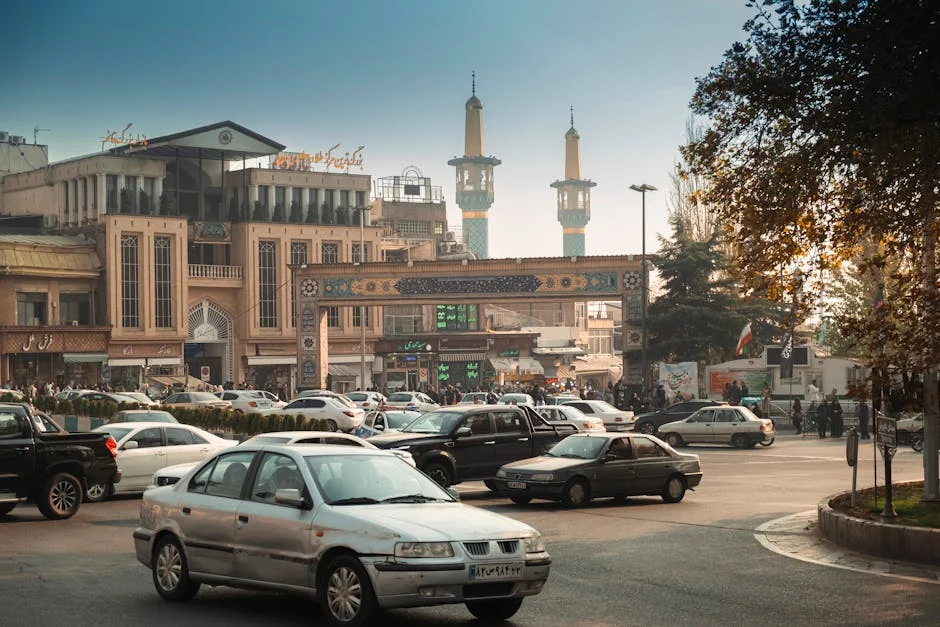
Analysts point to the suddenness of the fall and its magnitude as evidence that investors were caught off guard by the events in Iran, leading to a rush to sell off assets in riskier markets such as those in Africa.
African Economies Face Challenges in Stability
This event serves as a reminder of the ongoing challenges faced by African economies in achieving stable growth and development. The continent’s reliance on external factors, such as global commodity prices and international trade conditions, makes it vulnerable to shifts in the global economy.
In the context of Africa’s development goals, this highlights the need for diversified economies and robust financial systems that can absorb shocks from global events without significant disruption.
Nigeria and Other African Countries Affected
The impact of the Iranian conflict extends beyond just South Africa. Nigeria, the largest economy in Africa, also felt the effects of this market correction. Nigerian stocks followed a similar trend, with investors showing caution due to the uncertainties created by the geopolitical situation.
Moreover, the ripple effect on the Nigerian economy could have implications for its development trajectory, including its ability to attract foreign direct investment and maintain steady economic growth.
Continental Integration and Economic Growth
The recent market fluctuations underscore the importance of continental integration and economic cooperation among African nations. By strengthening regional trade agreements and fostering intra-African commerce, countries can build resilience against external shocks and promote more stable economic growth.
The African Union’s Agenda 2063, which aims to create a prosperous and integrated continent, becomes even more crucial in light of global market volatility. By working towards these goals, African nations can mitigate the impact of future global events and drive sustainable development.
Looking Ahead: What to Watch Next
As the situation in Iran continues to evolve, investors will be closely watching how it impacts not only South Africa but also other African economies. The next few weeks will be critical in determining whether the current market correction is a short-term blip or a longer-term trend.
Furthermore, the performance of the JSE and other African stock exchanges will be an important indicator of investor sentiment and confidence in the region. As such, continued monitoring of these markets will provide valuable insights into the broader economic landscape of Africa.