Freguesia, a district in Porto, Portugal, has declared the Travessa as a green zone, transforming its narrow streets into lush gardens. This initiative not only beautifies the area but also sets an example for urban planning in Africa, where similar efforts can enhance living conditions and support sustainable growth.
A Bold Step in Urban Renewal
The decision by Freguesia to create a green zone in the Travessa is part of a larger plan to revitalise the neighbourhood. The project includes planting trees, flowers, and shrubs along the historic streets, making the area more pleasant for residents and visitors alike. This transformation aims to improve air quality, provide shade, and create a relaxing environment in the heart of the city.
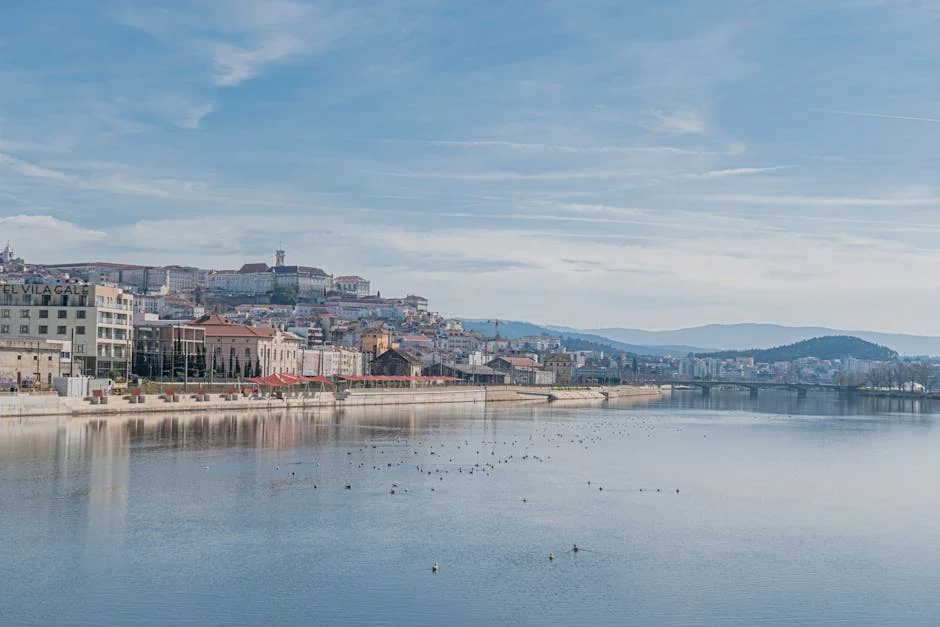
In Nigeria, many urban areas face similar challenges such as poor air quality, limited green spaces, and crowded living conditions. The success of the Travessa project could inspire Nigerian cities to adopt similar initiatives, enhancing the quality of life for millions of residents.
African Urban Challenges and Opportunities
Africa's rapid urbanisation presents both challenges and opportunities for development. With over half a billion people expected to live in African cities by 2030, there is a pressing need to improve infrastructure, healthcare, and educational facilities. Initiatives like the Travessa green zone show how small-scale projects can have a significant impact on urban environments.
In Nigeria, the government has set ambitious targets for expanding green spaces and improving public amenities. Cities like Lagos and Abuja are implementing plans to increase tree cover and develop parks, which aligns closely with the goals seen in Freguesia’s Travessa.
The Role of Local Governance
The Travessa project highlights the importance of local governance in driving urban development. In Freguesia, community involvement and support from local authorities were crucial for the success of the green zone. This collaborative approach can be replicated in African cities, where local leaders can work closely with residents to identify and address urban challenges.
Nigerian cities often struggle with decentralised governance, which can make it difficult to implement large-scale projects. By focusing on smaller, community-led initiatives, as seen in the Travessa, Nigerian urban areas can achieve significant improvements in living standards.
Economic Growth Through Urban Development
The creation of green zones in urban areas can contribute to economic growth by attracting investment and tourism. In Freguesia, the Travessa project has already drawn attention from visitors and businesses interested in the vibrant atmosphere of the newly greened streets. This trend can be replicated in Nigerian cities, where enhanced urban environments can boost local economies.
Nigeria’s Vision 202020, a national development plan, includes goals for sustainable urbanisation and improved infrastructure. Projects like the Travessa green zone demonstrate how these objectives can be achieved through innovative and community-focused initiatives.
Future Outlook for Urban Development in Africa
The success of the Travessa green zone shows that even small changes can have a big impact on urban environments. As African cities continue to grow and evolve, initiatives like this can serve as models for improving living conditions and supporting sustainable development. For Nigeria, the example of Freguesia offers valuable insights into how local action can drive broader change.
As Nigeria looks to the future, it can learn from the experiences of cities like Porto, adapting successful models to fit the unique needs and contexts of its own urban landscapes.