The Federal Communications Commission (FCC) Chair has issued a stern warning to broadcasters, threatening to revoke their licenses if they fail to provide accurate coverage of the ongoing conflict involving Iran. This move comes amid concerns over misinformation and its potential impact on public opinion and policy decisions.
FCC Chair's Warning Signals Concern Over Media Accuracy
The FCC Chair’s decision to threaten license revocation is a significant step that reflects deep concern about the accuracy and reliability of media coverage, particularly in times of international tension. This action underscores the importance of precise reporting, especially given the potential for misinformation to influence diplomatic and military strategies.
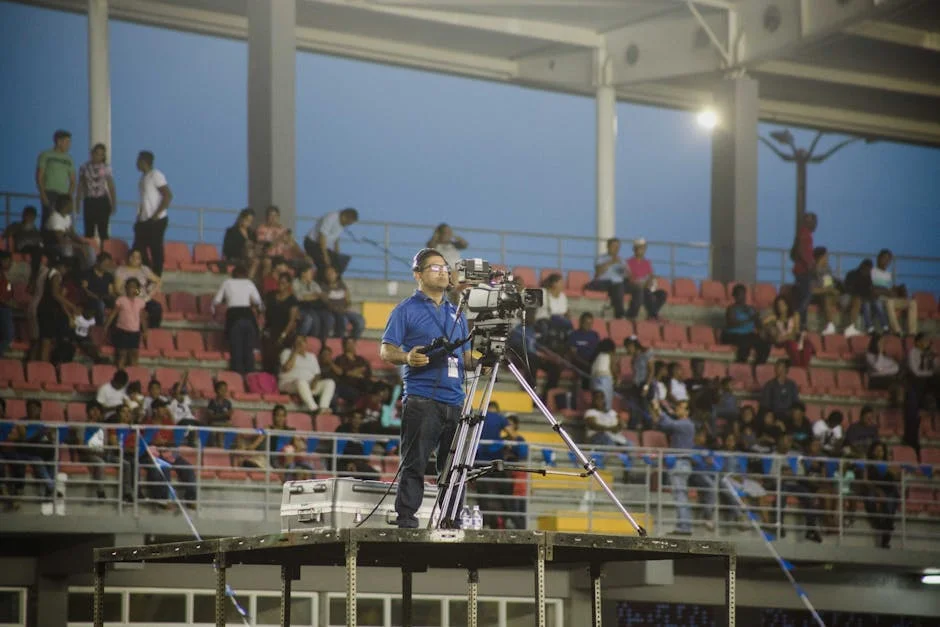
In the context of Africa, where reliable information is crucial for effective governance and economic planning, the FCC’s stance highlights the need for robust media systems across the continent. Accurate and timely reporting can help policymakers make informed decisions, which is essential for driving progress in areas such as infrastructure, healthcare, and education.
Iran's Role in Global Affairs and Its Impact on Nigeria
Iran plays a pivotal role in global affairs due to its strategic location, rich natural resources, and influence in regional politics. For Nigeria, which is keen on expanding its economic ties and influence beyond traditional partners, Iran represents both an opportunity and a challenge.
Nigeria, Africa's largest economy, is looking to diversify its trade relationships and strengthen its position in global markets. Iran’s involvement in the Middle East and its economic partnerships with countries like China and Russia offer potential avenues for Nigerian businesses to explore new markets and investment opportunities.
Licenses Over War Coverage and Its Relevance to African Media
The concept of "Licenses Over War Coverage" is not just confined to the United States but holds relevance for media systems across the world, including those in Africa. In many African countries, state control over broadcasting and media outlets is common, making the independence and accuracy of reporting crucial for democratic processes and public awareness.
African media faces unique challenges, such as limited access to technology and resources, which can affect the quality and speed of reporting. The FCC’s emphasis on accurate war coverage serves as a reminder of the importance of robust media infrastructure and skilled journalists in providing reliable information to the public.
Implications for Nigeria and the Continent
The actions taken by the FCC Chair could have broader implications for Nigeria and other African nations, highlighting the interconnectedness of global events and the importance of accurate media coverage. As Nigeria seeks to strengthen its position on the global stage, reliable and accurate information will play a critical role in shaping its policies and partnerships.
Furthermore, the emphasis on accurate war coverage can inspire African countries to invest in their media sectors, enhancing both the quantity and quality of news available to their citizens. This can contribute to better-informed publics, more effective governance, and improved economic outcomes.
Looking Ahead
The FCC Chair’s threat to revoke licenses over war coverage sets a precedent for the importance of accurate and reliable media reporting. For Nigeria and other African nations, this serves as a call to action to strengthen their media ecosystems, ensuring that citizens have access to trustworthy information. As the continent continues to develop, robust and independent media will be key to achieving sustainable growth and development.