Angola's People's Movement for the Liberation of Angola (MPLA) has called for the regulation of fuel prices, arguing that current market conditions are leading to speculation and unfair pricing. This move comes as part of the party's efforts to address ongoing economic challenges and support the country's development goals.
Angola's Fuel Market Under Scrutiny
The MPLA, which has been in power since independence in 1975, recently criticised the lack of price control for fuels such as gasoline and diesel. The party argues that without regulation, there is an opportunity for traders to inflate prices unfairly, impacting consumers and businesses across the country. This issue is particularly significant given Angola's status as a major oil producer and its reliance on petroleum exports.
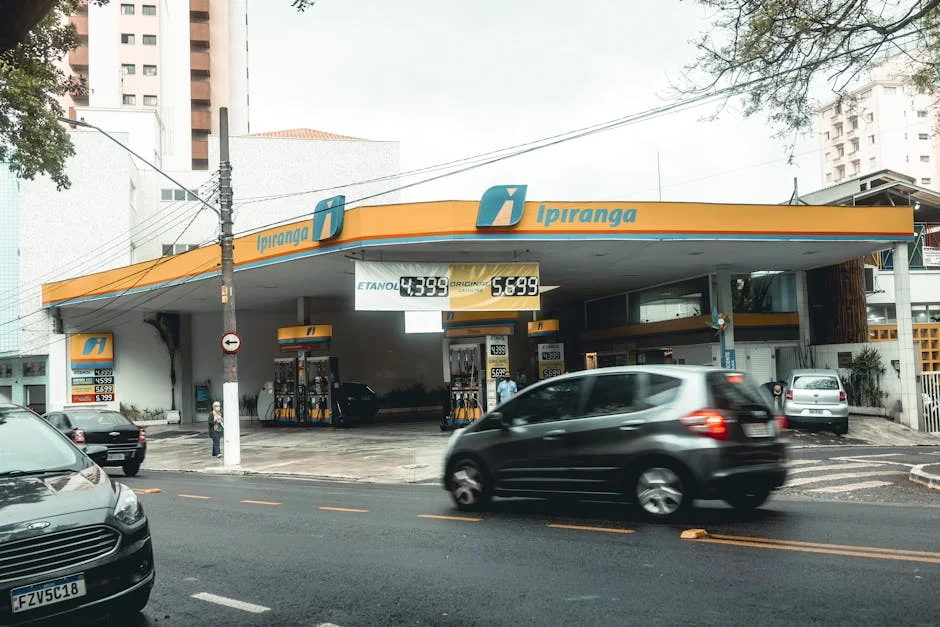
In a statement, the MPLA said that the current situation is indicative of an "operation of speculation" that is harming the general public. They pointed out that the cost of living is rising rapidly, and the unregulated fuel prices contribute significantly to this trend. As a result, many Angolans are finding it increasingly difficult to afford essential goods and services.
African Development Goals at Stake
This call for fuel price regulation is closely tied to broader African development goals. Stable and affordable energy sources are crucial for economic growth and social progress. In Angola, as in many other African countries, access to reliable and inexpensive fuel can make a significant difference in how effectively people can work, travel, and conduct business.
Moreover, the MPLA's push for regulation highlights a common challenge faced by many African nations: the need to balance free-market principles with the welfare of citizens. Across the continent, there are ongoing debates about the role of government intervention in setting prices for basic commodities, including fuel, food, and housing.
Implications for Economic Growth
The impact of fuel prices on Angola’s economy cannot be overstated. With a large portion of the population dependent on daily wages, even small fluctuations in the cost of fuel can have a ripple effect throughout the economy. High fuel prices mean higher costs for transportation, which in turn affects the prices of goods and services across the board.
Economic experts suggest that regulating fuel prices could help stabilise the Angolan economy and provide a boost to consumer spending. By ensuring that fuel remains affordable, the government could help reduce the financial strain on households, allowing more money to be spent on other goods and services. This increased demand could stimulate local businesses and contribute to overall economic growth.
Navigating Continental Challenges
The MPLA's stance on fuel price regulation also reflects the broader challenges faced by African nations in achieving sustainable development. Many countries on the continent are working to improve their infrastructure, enhance educational outcomes, and strengthen healthcare systems. Ensuring stable and affordable energy supplies is a critical component of these efforts.
In addition to addressing immediate economic concerns, Angola's approach to fuel pricing could set an example for other African countries. By demonstrating the benefits of government intervention in certain sectors, Angola may inspire similar policies elsewhere on the continent, potentially leading to a more cohesive and prosperous economic environment across Africa.
Looking Ahead
The MPLA's call for fuel price regulation is just the beginning of what could be a significant shift in Angola's economic policy. As the party continues to advocate for changes, it will be important to monitor how these measures affect the lives of Angolans and the broader economy. The success of this initiative could have far-reaching implications not only for Angola but also for the wider African context, where stable and affordable energy is seen as a key driver of development.