Vidarbha, India - The sun blazed down on several cities in Maharashtra's Vidarbha region, pushing temperatures above 40°C, but forecasters predict rain and thunderstorms will sweep through on March 17. This weather pattern holds significance not just for India, but also for the broader context of African development.
The Heatwave in Vidarbha
The scorching heat that has enveloped parts of central Maharashtra, particularly Vidarbha, is a stark reminder of the climate variability experienced across the globe. With temperatures soaring past 40°C, residents have been seeking refuge in cooler areas and adjusting their daily routines to cope with the intense heat. This phenomenon is closely watched by meteorologists and climate scientists alike, as it provides valuable data points for understanding global weather patterns.
Vidarbha, known for its agricultural richness and industrial importance, faces significant challenges due to extreme weather conditions. Farmers in the region rely heavily on timely rainfall to sustain their crops, making the upcoming rains crucial for their livelihoods.
Predicted Rain and Thunderstorms
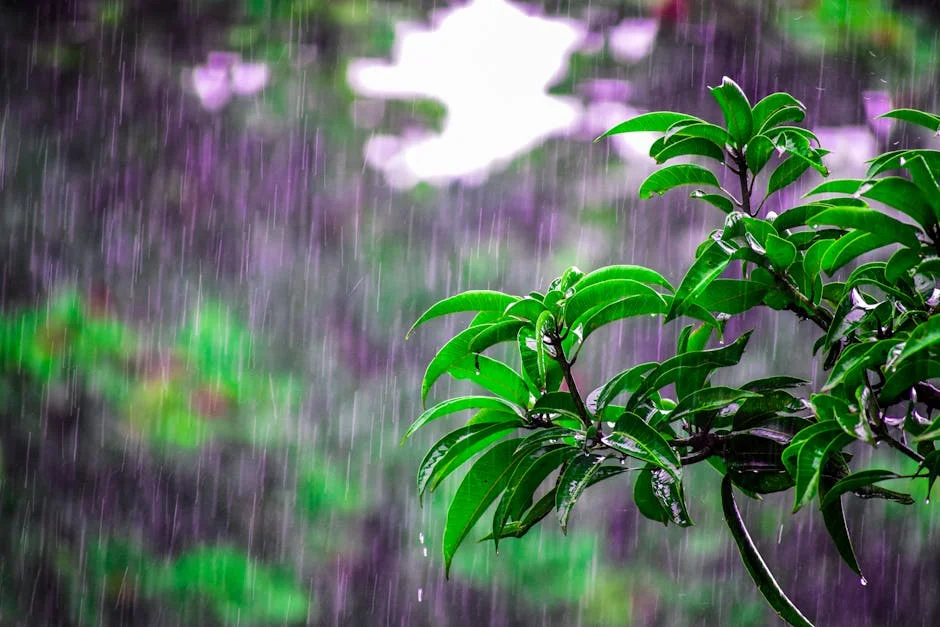
As the mercury climbs, the forecast for March 17 brings a much-needed respite in the form of rain and thunderstorms. This weather change is expected to bring relief to the parched land and provide a refreshing break from the sweltering heat. However, the arrival of rain could also pose challenges, such as potential flooding and disruptions to daily activities.
The predicted weather pattern in Vidarbha mirrors similar seasonal changes seen in many parts of Africa, where rain is critical for sustaining life and agriculture. Understanding the climate dynamics in regions like Vidarbha can offer insights into how African countries might adapt to and mitigate the effects of changing weather patterns.
African Development Goals and Climate Challenges
The weather events in Vidarbha are closely tied to the broader narrative of African development. Across the continent, reliable rainfall and temperature patterns are essential for achieving sustainable growth in agriculture, which is a cornerstone of many African economies. Just as farmers in Vidarbha depend on the monsoon season, so too do millions of farmers in Africa rely on regular rainfall to cultivate their fields.
Moreover, the ability to predict and adapt to changing weather conditions is crucial for meeting the United Nations' Sustainable Development Goals, which include ending hunger, achieving food security, and promoting sustainable agriculture. By studying weather patterns in diverse regions like Vidarbha, researchers and policymakers gain valuable information that can inform strategies for managing water resources and enhancing resilience against climate change in Africa.
Implications for Nigeria and Beyond
The impact of weather in Vidarbha extends beyond India, influencing neighbouring countries and even having echoes in far-flung places like Nigeria. The interconnectedness of global weather systems means that understanding one region's climate can shed light on patterns elsewhere. For instance, the El Niño Southern Oscillation, which affects rainfall in Vidarbha, also influences weather conditions in parts of Africa, including Nigeria.
In Nigeria, where agriculture plays a vital role in the economy, the lessons learned from Vidarbha's weather patterns can help Nigerian farmers better prepare for and respond to changing climatic conditions. This knowledge can contribute to more resilient agricultural practices, supporting Nigeria's efforts to achieve food security and economic stability.
Looking Ahead
As Vidarbha braces for the arrival of rain and thunderstorms on March 17, the eyes of climate scientists and policymakers turn towards understanding how these events fit into the larger picture of global weather patterns. By studying and adapting to changing climates, both in Vidarbha and across Africa, we move closer to achieving sustainable development and securing a prosperous future for all.