Porto, Portugal - Portuguese art teachers staged a protest at schools in Arroio and Soares dos Reis today, calling for better working conditions and more resources for their students.
Reis Professors Impact on Nigeria
The actions of Portuguese art educators at institutions such as Arroio and Soares dos Reis highlight the importance of dedicated teachers and quality education infrastructure, which are crucial components for achieving development goals across Africa. In Nigeria, for instance, the Reis Professors phenomenon could be seen as analogous to the need for skilled educators who can inspire and nurture young minds despite challenging conditions.
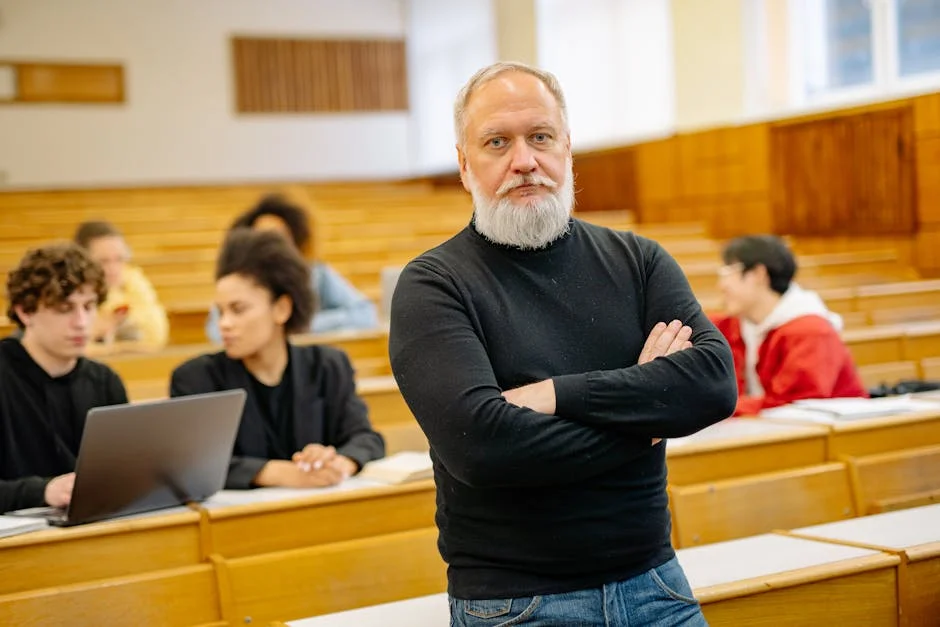
Nigeria's educational landscape faces numerous obstacles, including underfunding, overcrowded classrooms, and a lack of modern teaching aids. By drawing attention to these issues in Portugal, the protesting teachers underscore the universal nature of these challenges, making their struggle relevant to other nations striving for educational excellence.
Arroio General Update
Located in the heart of Porto, Arroio is known for its vibrant community and rich cultural heritage. The school’s recent protest by art teachers signals ongoing efforts to improve educational standards and support for creative subjects, which are vital for nurturing talent and innovation. This aligns closely with Nigeria’s own aspirations for educational reform, where there is a growing emphasis on STEM fields alongside arts and humanities.
The protests also reflect broader trends in European education, where there is a push for more equitable access to high-quality learning environments and resources. This mirrors the Nigerian government’s commitment to expanding access to education, particularly in rural areas and among marginalized communities.
What is Arroio?
Arroio is not just another school; it stands as a beacon of hope for students and educators alike. Its location in Porto means that it benefits from a rich tapestry of cultural influences, which can enhance the learning experience for its pupils. This cultural richness is something that many African countries, including Nigeria, strive to incorporate into their educational systems, recognizing the value of local traditions and knowledge in shaping global citizens.
In Nigeria, there is a growing recognition of the importance of integrating indigenous knowledge systems into formal education. This approach not only enriches the curriculum but also helps to preserve cultural identity and promote a sense of pride among students.
Soares dos Reis Developments Explained
Soares dos Reis, another educational institution involved in the recent protests, has been making strides in its efforts to provide top-notch art education. The school’s dedication to fostering creativity and critical thinking among its students echoes similar goals in Nigeria, where there is a push to develop a more innovative and dynamic workforce.
The challenges faced by educators at Soares dos Reis, such as demanding working conditions and limited resources, resonate with those experienced by teachers across Africa. These shared experiences create a platform for collaboration and exchange of ideas, benefiting both Portuguese and African educational systems.
African Development Goals and Opportunities
The protest by Portuguese art teachers serves as a reminder of the importance of continuous improvement in education, a key pillar of African development goals. As countries across the continent work towards achieving higher levels of literacy and numeracy, they look to models like those found in Portugal for inspiration and guidance.
Infrastructure improvements, such as better facilities and updated teaching materials, are essential for supporting educational success. In Nigeria, initiatives to upgrade schools and provide modern learning environments have shown promising results, highlighting the potential for similar advancements in other parts of Africa.
Conclusion
The protest staged by Portuguese art teachers at Arroio and Soares dos Reis underscores the interconnectedness of educational challenges and solutions across different regions. As Africa continues to make strides in its development journey, the example set by these dedicated educators highlights the importance of investing in quality education and nurturing creativity and innovation.