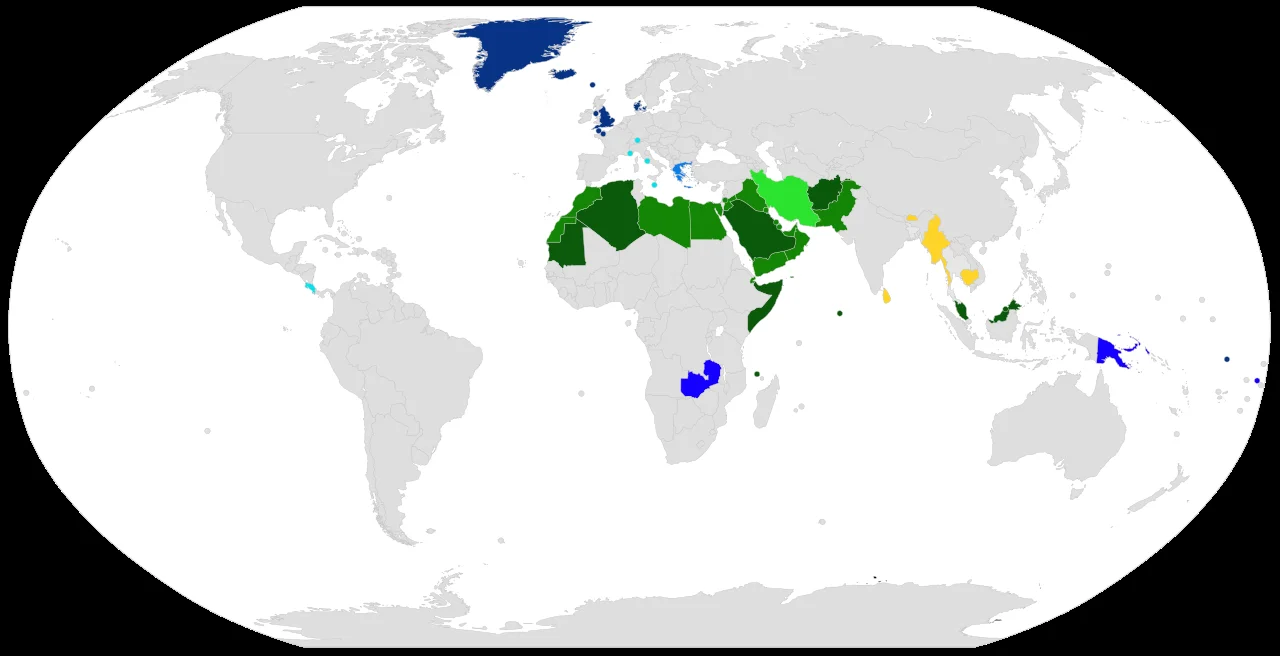
The ongoing conflict between the United States and Israel in Iran has sent shockwaves through Nigeria's energy sector, creating significant challenges for the country's development aspirations. As tensions rise in the Middle East, Nigeria finds itself grappling with increased fuel prices and supply disruptions, impacting its economic growth and infrastructure development.
Nigeria's Energy Sector Under Pressure
Nigeria, a major player in the global oil market, has seen its energy sector take a hit due to the geopolitical tensions in Iran. The country relies heavily on imported refined petroleum products, and the instability in Iran has led to higher costs and delays in shipments. This has resulted in widespread shortages and price hikes at local petrol stations.
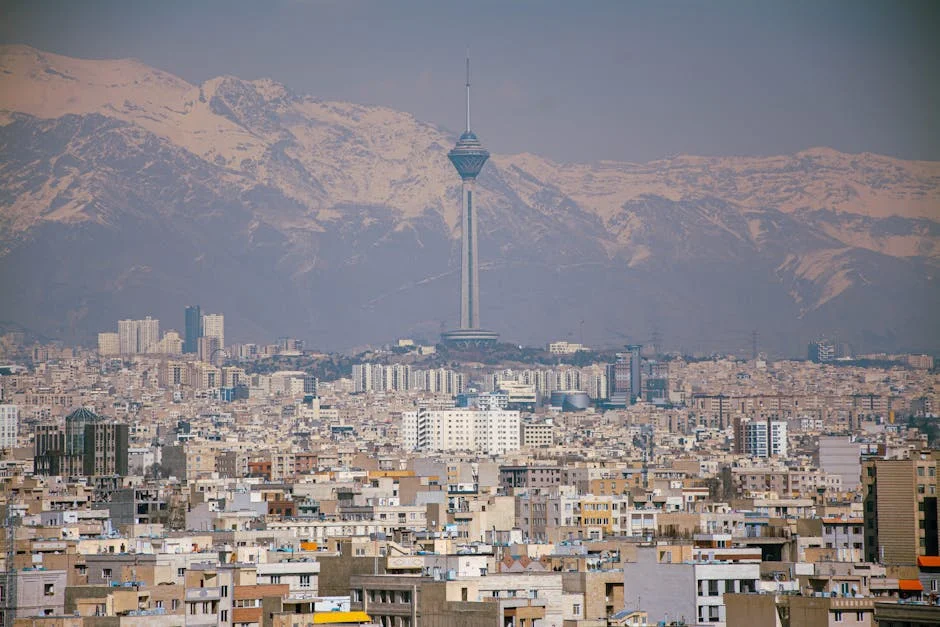
According to the Nigerian National Petroleum Corporation, the average cost of a litre of petrol in Lagos has risen by over 10% since the beginning of the year, causing significant financial strain on households and businesses across the nation.
The Bigger Picture: Africa's Energy Needs
This situation highlights a broader challenge faced by many African nations: the need for robust and resilient energy systems that can withstand global shocks. With the continent aiming to achieve universal access to electricity by 2030 as part of the Sustainable Development Goals, the current disruption serves as a reminder of the importance of diversifying energy sources and improving local refining capabilities.
African countries such as Nigeria are increasingly looking towards renewable energy sources like solar and wind power to meet their growing energy needs. However, the immediate priority remains addressing the acute shortage of refined petroleum products, which are essential for transportation and industry.
Geopolitical Tensions and Economic Impact
The conflict in Iran, often referred to as "Iran Rising," has far-reaching implications for the global economy, including Africa. The heightened tensions have affected trade routes and commodity prices, which in turn affect Nigeria's ability to import goods and maintain steady economic growth.
Economic analysts predict that if the situation continues to escalate, it could lead to further inflation in Nigeria and potentially impact the country's currency stability. This would pose additional challenges for the government as it seeks to fund critical infrastructure projects and improve public services.
African Unity and Cooperation
The energy crisis in Nigeria also underscores the importance of cooperation and unity within the African Union. By working together, African countries can develop strategies to mitigate external shocks and enhance their collective economic resilience.
The African Development Bank has already launched initiatives aimed at boosting intra-African trade and investment in energy infrastructure. These efforts will be crucial in helping Nigeria and other African nations navigate the current challenges and build a more sustainable future.
Looking Ahead: Opportunities and Challenges
Despite the immediate difficulties posed by the Iran conflict, there are opportunities for Nigeria to strengthen its position in the global energy market. The country's vast natural resources and strategic location make it well-placed to become a regional energy hub.
To seize these opportunities, Nigeria will need to focus on improving its domestic refining capacity, diversifying its export markets, and enhancing its energy infrastructure. This will not only help to stabilise the local fuel market but also contribute to broader goals of economic growth and development across the continent.