On March 13, 2026, Tinus engaged in a pivotal discussion with Moneyweb at the Geldsake event, focusing on Nigeria's economic hurdles and prospects.
Tinus Highlights Nigeria's Economic Landscape
During the Geldsake meeting, Tinus provided an insightful analysis of Nigeria's current economic conditions, outlining the pressing challenges that the nation faces. He noted that Nigeria, as Africa's largest economy, grapples with issues such as inflation, unemployment, and infrastructural deficits that impede sustainable growth.
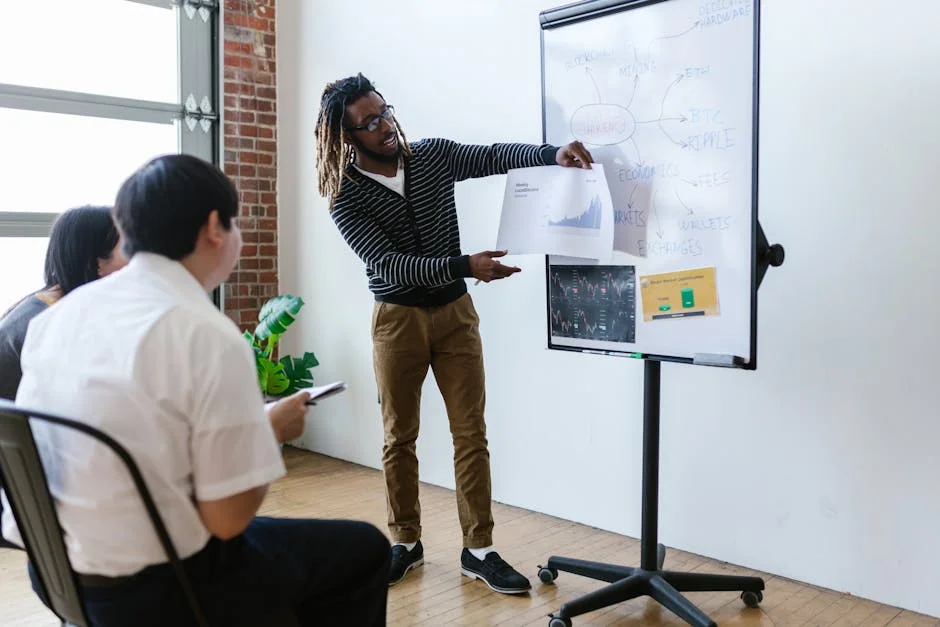
Tinus emphasised the need for robust economic policies and strategic investments to stimulate growth. He urged stakeholders to consider innovative approaches that not only address immediate concerns but also align with long-term development goals set forth by the African Union.
The Role of Infrastructure in Development
Infrastructure remains a critical component of Nigeria's developmental agenda. Tinus pointed out that inadequate transport systems, energy shortages, and poor healthcare facilities significantly hinder economic progress. By investing in infrastructure, Nigeria can improve its productivity, attract foreign investment, and enhance the quality of life for its citizens.
The discussion at Geldsake underscored the importance of public-private partnerships (PPPs) in bridging the infrastructure gap. Tinus advocated for more collaborative efforts between the government and private sector to fund and implement essential projects that will ultimately support economic growth.
Health and Education: Pillars of Development
Tinus further stressed that health and education are vital to achieving sustainable development in Nigeria. He highlighted the alarming statistics regarding health outcomes and educational attainment, noting that a healthy and educated workforce is essential for any country aiming for economic advancement.
During the event, he called for increased funding in these sectors, emphasising that improved healthcare services and educational opportunities would lead to a more skilled workforce capable of driving innovation and productivity. Such investments are crucial for Nigeria to meet the United Nations Sustainable Development Goals (SDGs) by 2030.
Governance as a Catalyst for Economic Growth
Effective governance was another focal point in Tinus's address. He argued that transparency, accountability, and strong institutions are necessary for fostering an environment conducive to economic growth. Tinus noted that Nigeria's existing governance challenges, including corruption and bureaucratic inefficiencies, undermine development efforts.
At the Geldsake event, he urged for reforms aimed at enhancing governance structures as a means of promoting stability and investor confidence. By prioritising good governance, Nigeria can create a more predictable economic environment that attracts both local and foreign investments.
Opportunities for Growth Amidst Challenges
Despite the challenges highlighted, Tinus expressed optimism about Nigeria's potential for economic growth. He pointed to the continent's vast resources and youthful population as key advantages. The meeting at Geldsake served as a reminder that with strategic planning and implementation, Nigeria can harness these strengths to achieve its development goals.
In conclusion, the Geldsake meeting with Moneyweb provided a platform for critical discussions on Nigeria’s future. Tinus’s insights and recommendations underscore the importance of collaborative efforts in addressing the continent's challenges while seizing the available opportunities for sustainable development.