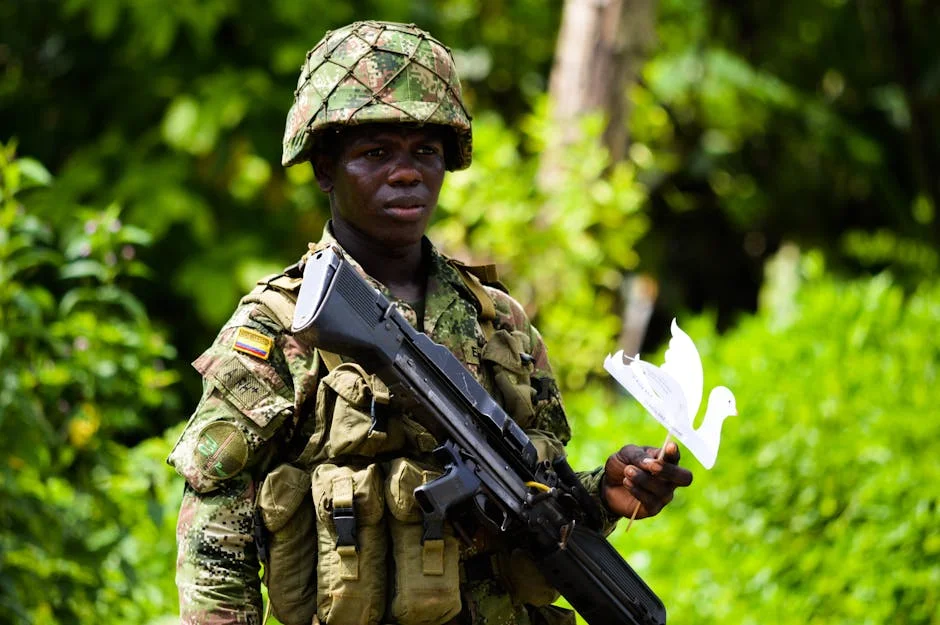
Morocco has become Africa's top arms importer, according to a recent report, as it continues to navigate strained relations with neighbouring Algeria.
Rising Military Expenditure in Morocco
The report highlights that Morocco has significantly increased its military expenditure over the past few years, leading to its position as the continent’s largest arms importer. This trend is closely linked to Morocco's strategic ambitions and regional security concerns, particularly in light of its long-standing tensions with Algeria.
Morocco’s heightened military spending reflects its desire to bolster its defence capabilities, which are crucial for maintaining stability and security in the region. The country’s investments in modern weaponry and military technology also indicate its aspirations to play a more prominent role in North African affairs.
Tensions with Algeria Persist
The relationship between Morocco and Algeria remains strained due to historical disputes, including border issues and disagreements over natural resources. These tensions have been a constant feature of the geopolitical landscape in North Africa, influencing both countries’ foreign policies and military strategies.
Algeria, while not the largest arms importer on the continent, has also been increasing its military expenditure in recent years. This ongoing competition for regional influence is likely to continue shaping the dynamics of North African politics and security.
African Development Goals and Security
The rise of Morocco as Africa’s top arms importer aligns with broader African development goals, which include enhancing regional stability and security. A stable and secure environment is essential for attracting investment, fostering trade, and supporting economic growth across the continent.
In addition to its military acquisitions, Morocco has made significant strides in other areas of development, such as infrastructure, healthcare, and education. These advancements contribute to the country’s overall stability and competitiveness within the African Union and globally.
Infrastructure and Economic Growth
Morocco’s increased military expenditure is part of a broader strategy to support economic growth and development. By investing in modern infrastructure and advanced technology, Morocco aims to create a more robust and diversified economy, which can serve as a foundation for future prosperity.
The country’s focus on developing its infrastructure, including transportation networks and energy systems, has been pivotal in attracting foreign direct investment and boosting trade with European and Middle Eastern markets. This economic strength is crucial for sustaining Morocco’s position as a leader in North Africa and beyond.
Healthcare and Education Improvements
Besides military and economic advancements, Morocco has also prioritised improvements in healthcare and education. Access to quality healthcare and education is essential for creating a skilled workforce and a healthy population, which are key drivers of sustainable development.
The Moroccan government has implemented various initiatives aimed at enhancing access to healthcare services and improving educational outcomes. These efforts not only benefit the Moroccan population but also strengthen the country’s human capital, making it more competitive in the global market.
Continental Challenges and Opportunities
Morocco’s rise as Africa’s top arms importer presents both challenges and opportunities for the continent. On one hand, it underscores the importance of regional security and stability, which are critical for achieving broader development goals. On the other hand, it highlights the potential for increased collaboration and cooperation among African nations in addressing shared challenges.
As Morocco continues to assert its leadership in North Africa, it has the opportunity to foster greater unity and partnership among African states, contributing to the collective progress and prosperity of the continent.