Mpumalanga’s Siyifunile Secondary School has embraced the future with the introduction of a new lab focused on teaching coding and artificial intelligence (AI) to its students, marking an exciting step towards empowering young minds in the region.
New Lab Brings Cutting-Edge Education to Mpumalanga
The launch of the new lab at Siyifunile Secondary School in Mpumalanga is a significant milestone for the school and the broader community. This initiative not only introduces essential digital skills to students but also aligns with the wider goals of African development, where technological advancement plays a crucial role. By integrating coding and AI into their curriculum, the school is preparing its pupils for a rapidly evolving job market and positioning them as future leaders in the tech industry.
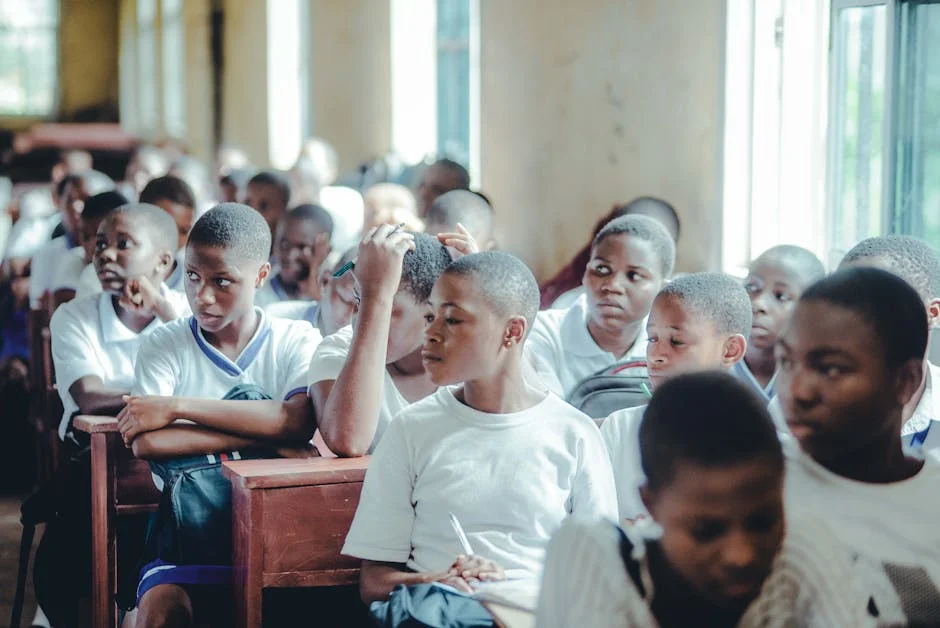
Enhancing Educational Opportunities in Mpumalanga
Education is a cornerstone of development, and the introduction of these advanced subjects reflects a growing recognition of the importance of STEM (Science, Technology, Engineering, and Mathematics) education in Africa. The new lab at Siyifunile Secondary School provides a unique opportunity for students to engage with technology early in their academic journey, fostering a love for problem-solving and innovation from a young age. This approach is vital for nurturing a generation of skilled professionals capable of driving progress across various sectors in Mpumalanga and beyond.
Achieving Development Goals Through Education
The implementation of coding and AI in the school’s curriculum directly supports the United Nations Sustainable Development Goal 4, which aims to ensure inclusive and equitable quality education and promote lifelong learning opportunities for all. By equipping students with these skills, Siyifunile Secondary School is contributing to the overall goal of improving educational outcomes and expanding access to high-quality learning experiences. This move also addresses one of the key challenges faced by many African countries: the need for more robust STEM education to support economic growth and innovation.
Economic Growth and Innovation in Mpumalanga
Investing in education, particularly in fields such as coding and AI, can have a profound impact on economic growth. As students gain proficiency in these areas, they become valuable assets to the local economy, potentially attracting businesses and fostering entrepreneurship. The presence of skilled individuals in Mpumalanga can help create a vibrant ecosystem that supports technological advancements and drives innovation. Furthermore, it can inspire other schools and educational institutions to follow suit, creating a ripple effect that benefits the entire region.
Addressing Continental Challenges Through Education
Africa faces numerous challenges, including a shortage of skilled workers and limited access to technology. By introducing coding and AI to its curriculum, Siyifunile Secondary School is taking steps to address some of these issues. Not only does this enhance the employability of its graduates, but it also helps to build a pipeline of talent that can contribute to solving complex problems facing the continent. This is especially important given the increasing demand for tech-savvy professionals in industries ranging from healthcare to finance.
The Role of Mpumalanga in African Development
While often overlooked in discussions about African development, Mpumalanga plays a critical role in the country’s progress. Its rich natural resources and strategic location make it an important hub for economic activity. By focusing on education and technological advancement, the province can strengthen its position as a centre for innovation and growth. The new lab at Siyifunile Secondary School represents a promising start, showcasing the potential for Mpumalanga to lead the way in educational excellence and contribute significantly to the broader narrative of African development.