The Reserve Bank’s hopes for a rate cut were dashed this week as sustained oil price increases and rising inflation pressures in West Asia continued to weigh heavily on the economy. The central bank now faces a challenging decision on monetary policy, as it seeks to balance the needs of the domestic market against global economic conditions.
Oil Prices Surge Amidst Global Economic Uncertainty
The recent surge in oil prices has added another layer of complexity to the Reserve Bank's considerations. With crude oil costs reaching new highs, the cost of living for millions of people in West Asia and beyond is increasing, putting pressure on the region's economies. This development is closely watched by economists, who see it as a potential barrier to further interest rate reductions.
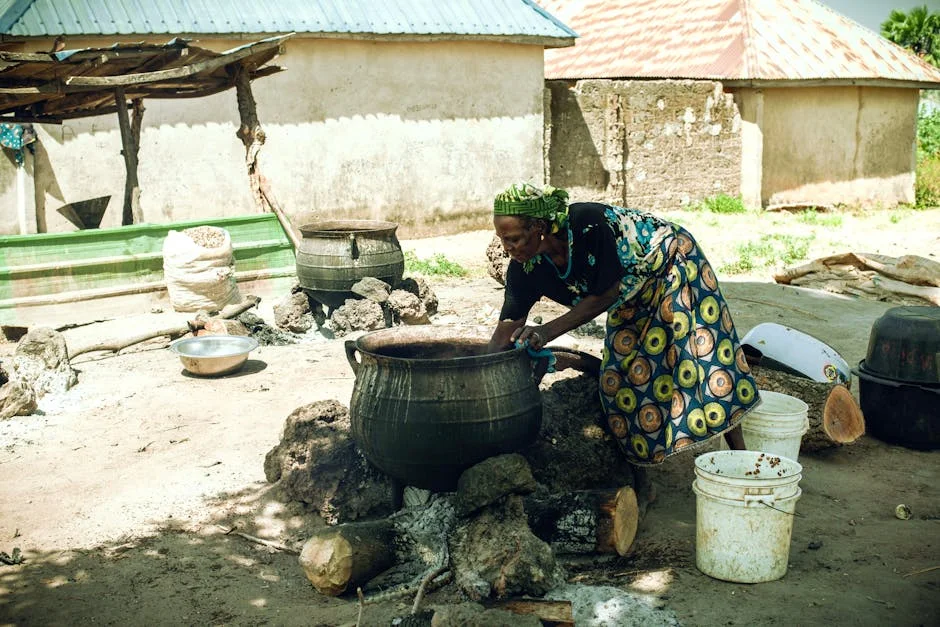
In addition to the direct impact on consumers, the higher oil prices also affect the export revenues of countries that rely heavily on oil exports, such as Nigeria and other African nations. This interconnectivity highlights the importance of global economic trends for the Reserve Bank’s decision-making process.
Inflation Pressures Rise Across the Region
Economists have noted a steady rise in inflation across the West Asian region, driven largely by increased fuel and food costs. These factors have led to a more cautious approach from the Reserve Bank regarding potential rate cuts, as lowering interest rates could exacerbate inflationary pressures and reduce the purchasing power of the population.
The Reserve Bank’s decision to maintain current interest rates reflects its commitment to stabilising the economy and ensuring that inflation remains within manageable levels. This strategy is crucial for supporting long-term economic growth and development in the region.
African Development Goals and Continental Challenges
The Reserve Bank's decision to hold off on rate cuts has implications for African development goals, particularly in terms of economic stability and growth. For countries like Nigeria, which is heavily reliant on oil exports, the high oil prices offer both opportunities and challenges. While they boost government revenues, they also increase the cost of imports and can lead to higher inflation.
The interconnectedness of the global economy means that developments in West Asia and India have a ripple effect on African economies. This highlights the importance of strong regional cooperation and coordinated policies to address shared challenges and seize opportunities for growth.
Opportunities for African Economies
Despite the current economic headwinds, there are still opportunities for African economies to thrive. By focusing on diversifying their economies and strengthening their manufacturing and service sectors, countries can reduce their reliance on oil and become less vulnerable to global price fluctuations.
The Reserve Bank’s decision serves as a reminder to African policymakers of the need for robust economic planning and flexible monetary policies. By learning from the experiences of West Asia and India, African nations can better navigate future economic challenges and continue to make progress towards their development goals.
Looking Ahead: What to Watch Next
As the Reserve Bank continues to monitor global economic conditions, it will be important to watch how oil prices and inflation evolve in the coming months. Additionally, the performance of key sectors in West Asia and India, such as technology and finance, will provide valuable insights into the overall health of the regional economy.
For African countries, maintaining strong trade relationships and attracting foreign investment will be crucial for sustaining growth and development. By staying attuned to the broader economic landscape, African nations can position themselves to capitalise on emerging opportunities and overcome ongoing challenges.