Ranveer’s latest film has caused a stir among fans, who noticed that a scene set in Pakistan was actually filmed at a mall in Mumbai. The discovery has led to playful jokes and discussions about the “Mumbai Dhurandhar” phenomenon, where locations in India stand in for other countries in films.
Mumbai Dhurandhar Explained
Fans of Indian cinema have long known about the practice of substituting one location for another during filming. This time, the spotlight is on a particular scene from Ranveer's recent movie, where a setting meant to represent a Pakistani mall was actually filmed at a well-known shopping centre in Mumbai. This mix-up, affectionately dubbed "Mumbai Dhurandhar," has amused and intrigued audiences across social media platforms.
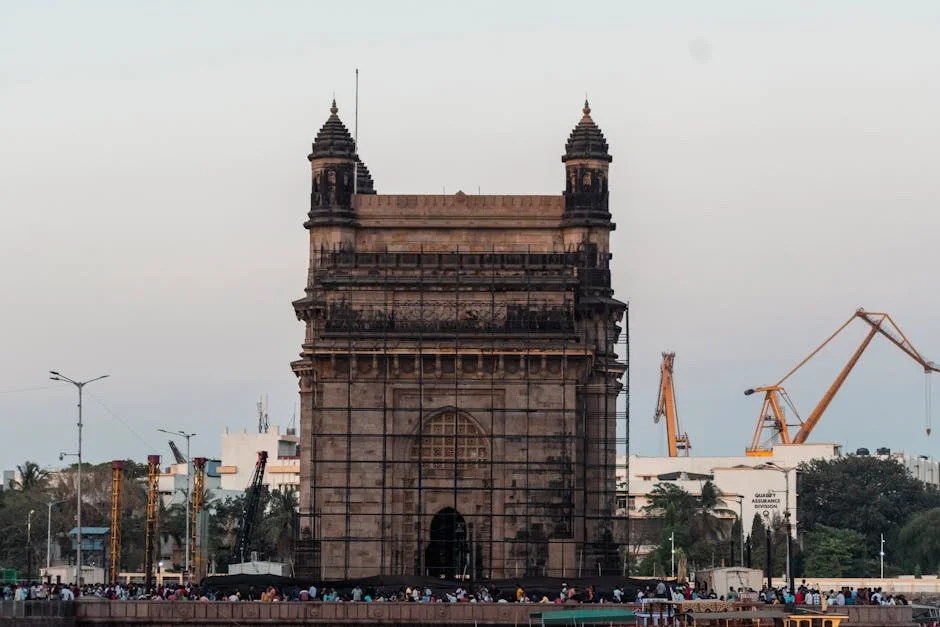
The term "Dhurandhar" itself comes from a famous landmark in Mumbai, the Dhurandhar Building, which often stands in for other iconic structures in films. The name has become synonymous with any instance where a location in Mumbai is used to represent somewhere else.
Why Mumbai Dhurandhar Matters
While the "Mumbai Dhurandhar" phenomenon may seem like a simple case of cost-saving measures in the film industry, it holds broader significance for cultural representation and the global perception of Indian cities. It highlights how creative solutions can be found within the constraints of local resources, showcasing the adaptability and resourcefulness of the Indian film industry.
In the context of African development, this kind of ingenuity and resourcefulness is crucial. Just as filmmakers find ways to depict international settings using familiar locations, so too do African nations utilise their strengths and assets to achieve development goals. Whether it's leveraging natural resources, cultural heritage, or human talent, the ability to make the most of available resources is key to progress and success.
Cultural Exchange and Representation
The use of Mumbai locations to represent other parts of the world also underscores the importance of accurate and nuanced cultural representation in media. As the Indian film industry continues to grow its global reach, it becomes increasingly important to ensure that depictions of different cultures are authentic and respectful.
This aligns closely with the efforts made by African countries to showcase their diverse cultures and histories on the international stage. Through film, literature, and other forms of art, Africa aims to break down stereotypes and highlight its rich tapestry of traditions and innovations. Just as Bollywood finds creative ways to depict foreign settings, African storytellers and artists are working to share their unique perspectives with the world.
The Impact on Film Industry and Tourism
The "Mumbai Dhurandhar" trend not only adds charm and character to Bollywood productions but also helps to promote tourism in Mumbai. When viewers see familiar landmarks in films, they are more likely to want to visit those places themselves, boosting local economies and cultural appreciation.
In Africa, similar strategies can be employed to attract visitors and investment. By highlighting the beauty and uniqueness of their landscapes, architecture, and cultural sites, African nations can draw more tourists and create jobs in the hospitality and service sectors. This not only boosts the economy but also fosters a sense of national pride and identity.
Looking Ahead: What to Watch Next
As the "Mumbai Dhurandhar" trend continues, it will be interesting to see how filmmakers and audiences respond. Will there be more playful references to the practice, or will it become a standard part of the filmmaking process?
Similarly, in Africa, we can expect to see continued innovation and creativity in how the continent showcases its many faces to the world. From vibrant festivals to groundbreaking scientific discoveries, Africa has much to offer and will undoubtedly continue to captivate and inspire people around the globe.