Johannesburg residents have been voicing their dissatisfaction over the city's air quality, describing the smog as 'unbearable' and 'toxic'. The issue has become a major concern for locals, affecting daily life and raising questions about the city's environmental policies.
Air Pollution Hits Highs in Johannesburg
The air quality in Johannesburg has recently reached alarming levels, with particulate matter concentrations exceeding safe standards set by the World Health Organisation. This pollution is not only a nuisance but also poses serious health risks to the city's residents.
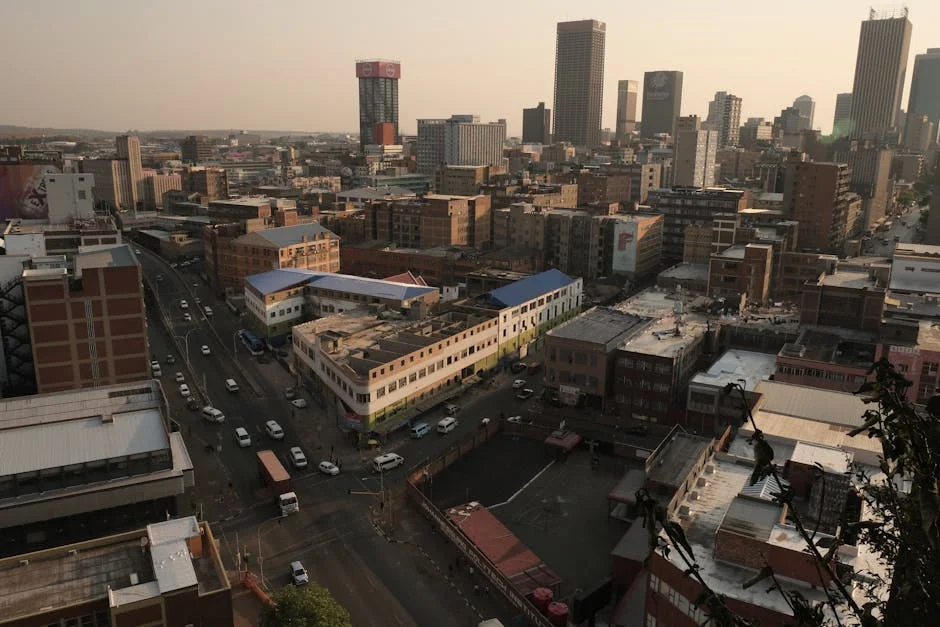
Data from the South African Weather Service shows that industrial emissions, vehicle exhaust, and dust from construction sites are contributing to the poor air quality. These factors combine to create a dense layer of pollutants that hover over the city, making breathing difficult and causing eye irritation for many residents.
Residents Speak Out Against Poor Air Quality
In interviews with local media, Johannesburg residents expressed frustration and concern about the deteriorating air quality. Many reported experiencing headaches, coughing fits, and other respiratory issues as a result of the smog.
"It's unbearable," said resident Thandiwe Mabaso. "Every time I step outside, I can feel the dirt in my lungs. It's like living in a cloud of smoke."
Health Impact on the Population
The poor air quality in Johannesburg has significant implications for public health. According to the Department of Health, there has been an increase in respiratory illnesses and hospital admissions related to air pollution.
Dr. Nomsa Nkosi, a pulmonologist at the Johannesburg General Hospital, highlighted the importance of addressing this issue. "We are seeing more cases of asthma, bronchitis, and even pneumonia," she said. "The air quality needs to improve if we want to see better health outcomes for our citizens."
Infrastructure and Urban Planning Challenges
The ongoing air quality crisis in Johannesburg highlights the need for improved urban planning and infrastructure development. The city is facing challenges such as rapid population growth, which puts pressure on existing transportation systems and industrial areas.
Urban planners and environmental experts suggest that expanding green spaces, improving public transport options, and implementing stricter emission controls could help alleviate the air pollution problem. However, these changes require substantial investment and coordination among various government departments.
Opportunities for Growth and Development
Beyond the immediate health concerns, the air quality issue presents an opportunity for Johannesburg to showcase its commitment to sustainable development. By addressing the pollution problem, the city can attract more businesses and tourists, boost its reputation as a vibrant metropolis, and contribute to broader African development goals.
Moreover, tackling air pollution can inspire other cities across Africa to adopt similar measures, creating a ripple effect of positive change throughout the continent. As African nations continue to grow and modernise, prioritising clean air and healthy environments will be crucial for both economic and social progress.