Dwight Howard, one of the most dominant centres in NBA history, has announced the end of his illustrious career. The 35-year-old, known for his incredible athleticism and rebounding prowess, made the decision to retire from professional basketball, leaving behind a legacy that includes three All-Star appearances and an Olympic gold medal.
Dwight Howard's Impact on the NBA
Dwight Howard's departure marks the end of an era in the NBA. During his career, he was a cornerstone for several teams, including the Orlando Magic and the Houston Rockets. He won the NBA Defensive Player of the Year award three times, showcasing his defensive capabilities and his ability to dominate the paint. His last stint in the league saw him playing for the Washington Wizards in the 2021-2022 season, where he provided valuable experience and leadership.
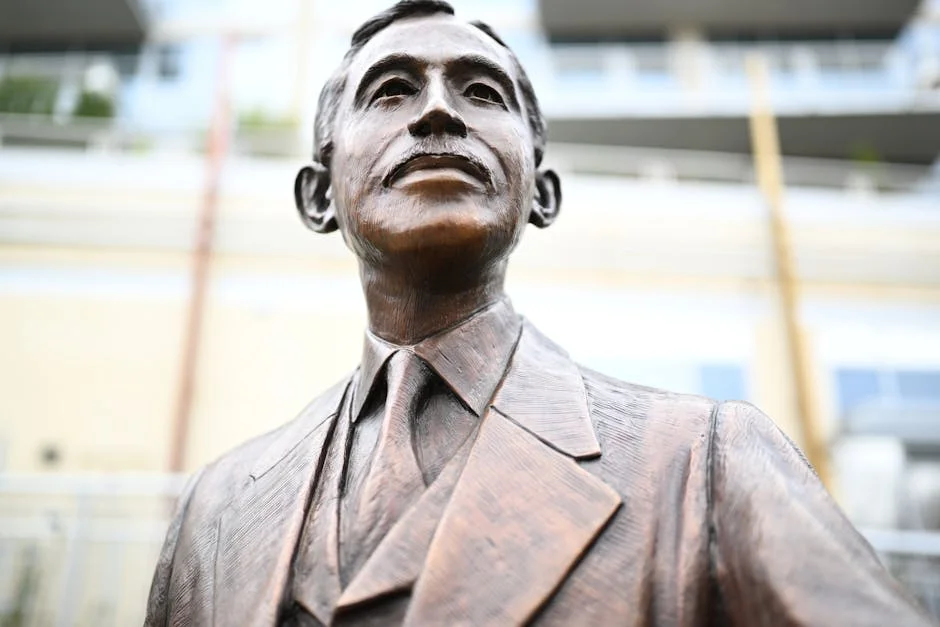
Howard’s journey through the NBA is not just about his individual achievements but also about the influence he had on younger players, especially those from Africa. His success has inspired a new generation of African basketball stars, such as Nigeria’s Precious Achiuwa and Cameroon’s Pascal Siakam, to dream big and pursue careers in the NBA.
African Development in Basketball
The retirement of Dwight Howard coincides with a period of significant growth in African basketball. With the rise of the sport across the continent, more African players are finding success in the NBA and other top leagues. This trend is driven by increased investment in youth development programs, better access to training facilities, and improved international exposure.
In addition to his impact on the court, Howard has been a role model for young Africans aspiring to play basketball professionally. His journey from being a standout player at Southwest Atlanta High School to becoming an NBA star has shown that with hard work and dedication, dreams can become reality.
Continental Challenges and Opportunities
Despite the progress made in African basketball, there are still significant challenges to overcome. One of the main hurdles is the disparity in resources and infrastructure compared to other regions. Many African countries lack the necessary facilities for year-round training and competition, which can hinder the development of young talent.
However, there are numerous opportunities for growth. As the popularity of basketball continues to rise in Africa, more partnerships between local organisations and international sports bodies are likely to emerge. These collaborations could lead to increased funding for grassroots programmes and scholarships for talented players to study and play abroad.
Economic Growth and Governance
The success of African athletes in global competitions, such as the NBA, can have a positive impact on the economies of their home countries. It boosts national pride and encourages tourism, while also creating role models that inspire others to achieve their goals. Additionally, the financial benefits of having a successful athlete can contribute to local economic development through investments in community projects and businesses.
Furthermore, the governance of sports in Africa plays a crucial role in the development of the game. Strong leadership and effective management can ensure that resources are allocated efficiently and that policies support the growth of the sport. This includes investing in coaching, equipment, and facilities, as well as promoting fair play and integrity within the sport.
Future Prospects for African Basketball
With the retirement of Dwight Howard, the spotlight will now shine on the next generation of African basketball stars. The path is clearer for them to make their mark in the NBA and other top leagues. As the continent continues to develop its infrastructure and nurture young talent, we can expect to see more African players excelling at the highest levels of the sport.
The legacy of Dwight Howard will undoubtedly continue to inspire and motivate young athletes across Africa, encouraging them to follow in his footsteps and reach for the stars.