Delhi’s government, under the leadership of Chief Minister Rekha Gupta, is set to boost its electric vehicle (EV) fleet by adding 200 new electric buses this month, bringing the total number of electric buses to 7,500. This move represents a significant step towards greener transportation in the bustling capital city.
New Delhi's Green Transport Milestone
The addition of 200 electric buses to Delhi’s public transport system marks a significant milestone in the city’s journey towards sustainable urban mobility. According to Transport Minister Pankaj Kumar Singh, this expansion will not only enhance the efficiency of the Delhi Transport Corporation (DTC) but also reduce the city’s carbon footprint significantly.
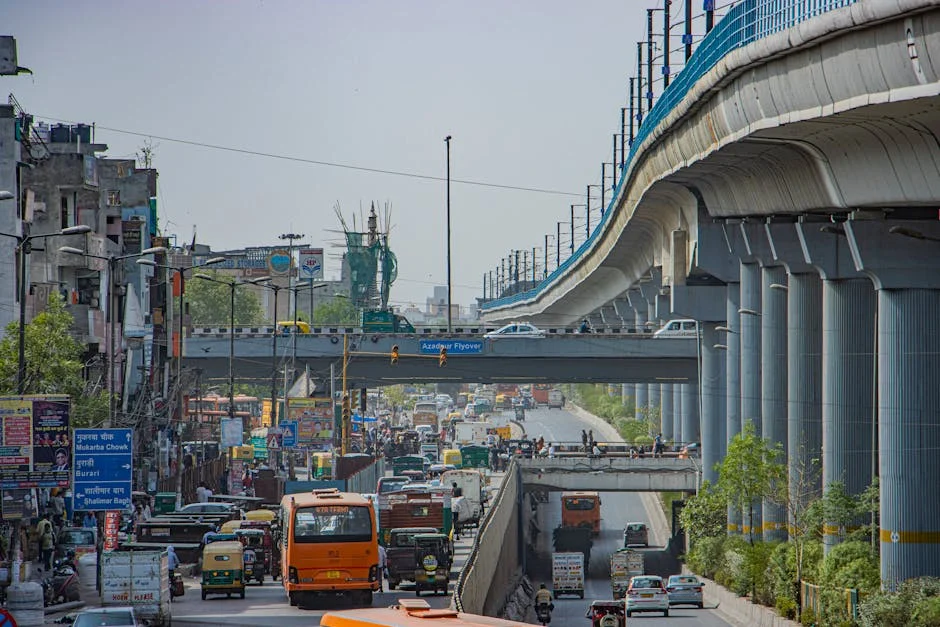
Chief Minister Rekha Gupta has been at the forefront of this initiative, pushing for an increase in the number of electric vehicles in the city. Her vision includes making Delhi a model for green transport in India and beyond. With the DTC now operating the largest fleet of electric buses in any Indian city, Delhi is well on its way to achieving this goal.
African Development Goals and Green Transport
This expansion of electric buses in Delhi is particularly noteworthy for its relevance to African development goals. As many African countries look to improve their transportation infrastructure and reduce emissions, the success of initiatives like those in Delhi can provide valuable lessons and inspiration.
The adoption of electric buses can help African cities address several challenges, including air pollution, traffic congestion, and energy security. By increasing the use of electric buses, African nations can also stimulate local industries and create jobs in the manufacturing and maintenance sectors.
Moreover, as seen in Delhi, the transition to electric buses can be accelerated through strong political leadership and strategic planning. This example shows that with the right policies and investments, African cities can rapidly scale up their green transport solutions.
Infrastructure and Economic Growth
The expansion of electric bus services in Delhi also highlights the importance of robust infrastructure in supporting sustainable development. The need for charging stations, battery technology advancements, and efficient public transport systems all play crucial roles in the successful implementation of electric buses.
In Africa, improving infrastructure is often cited as one of the main barriers to economic growth. Investments in transportation infrastructure, such as the expansion of electric bus fleets, can therefore have far-reaching benefits for both the environment and the economy. By creating more efficient and sustainable transport networks, African cities can attract investment, improve living standards, and foster innovation.
Furthermore, the economic impact of electric buses extends beyond just the transportation sector. The production and maintenance of these vehicles can generate employment opportunities and contribute to local economies. This is especially important in regions where job creation and poverty reduction are key priorities.
Health and Education Benefits
The introduction of electric buses in Delhi also brings health and educational benefits to the residents of the city. Cleaner air from reduced emissions improves respiratory health, and better public transport systems can make it easier for students to commute to schools and universities.
In Africa, similar improvements in public transport could lead to significant gains in both health and education. For instance, reduced air pollution would mean fewer cases of respiratory illnesses, which are common in many African cities. Additionally, reliable and affordable transport can ensure that children have access to quality education, even if they live far from school.
The experience of Delhi in integrating electric buses into its transport network can offer valuable insights for African cities looking to enhance their public transport systems. By learning from these successes, African nations can build more inclusive and sustainable urban environments.
Rekha Gupta’s Leadership Impact
Under Chief Minister Rekha Gupta’s leadership, Delhi has made impressive strides in green transport. Her commitment to expanding the electric bus fleet demonstrates her dedication to addressing environmental issues and improving the quality of life for Delhi’s residents.
The impact of this leadership goes beyond just the immediate benefits to Delhi. It serves as an example for other cities around the world, including those in Africa, showing that ambitious goals in public transport can be achieved with strong governance and strategic planning.
As African nations continue to develop their infrastructure and seek sustainable solutions, the experiences of cities like Delhi can provide valuable guidance. By adopting similar approaches, African cities can create more livable, healthy, and economically vibrant communities.