Citi Bank has evacuated its offices in Dubai following escalating tensions due to Iranian threats, marking a significant shift in the financial landscape of the United Arab Emirates. This move highlights the interconnectedness of global finance and the potential ripple effects on African economies.
Dubai's Financial Hub Status Under Pressure
The evacuation of Citi Bank’s offices in Dubai comes as a response to recent threats made by Iran against the UAE. This decision underscores the importance of stability in the Gulf region for international financial institutions. With Dubai being one of the world’s leading financial hubs, any disruption can have far-reaching consequences.
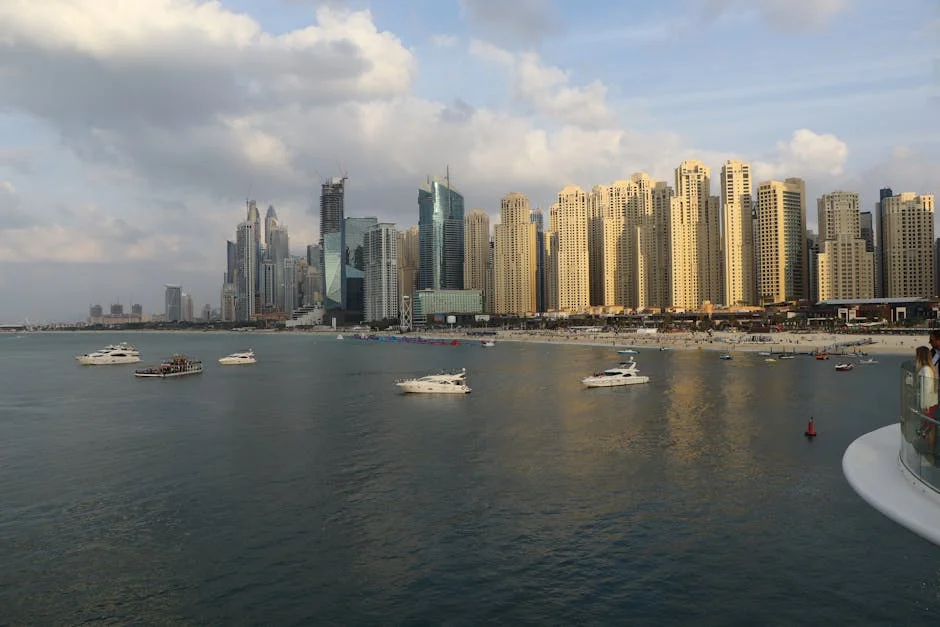
As the ninth largest city in the world by population, Dubai plays a crucial role not just in Middle Eastern trade but also in global commerce. Its strategic location makes it a gateway for businesses connecting Europe, Asia, and Africa. The evacuation of such a major bank could affect the flow of investments and trade across continents.
African Economies Tied to Gulf Stability
Africa’s economic fortunes are closely linked to the stability of the Gulf region. Countries like Nigeria, Kenya, and South Africa have extensive trade relationships with the UAE and other Gulf nations. These connections extend beyond simple trade, encompassing areas like finance, technology, and tourism.
Nigeria, for instance, has seen a significant increase in remittances from workers based in the Gulf countries over the past decade. Any disruption to the financial systems in the Gulf can have a direct impact on Nigerian households and the overall economy.
Impact on Infrastructure Development
The evacuation of Citi Bank’s offices in Dubai could potentially slow down infrastructure projects in Africa that rely on funding from Gulf sources. Many African countries look to the UAE and other Gulf states for investment in critical sectors such as energy, transportation, and real estate.
In Nigeria, for example, there have been numerous projects funded by Gulf investors aimed at improving the country’s infrastructure. These include the construction of new airports, seaports, and railway lines. Any disruption in funding could delay these important development initiatives.
Economic Growth and Investment Opportunities
The situation in Dubai also impacts the broader narrative of economic growth and investment opportunities in Africa. Despite the current challenges, the continent continues to attract significant attention from global investors. The Gulf region, with its wealth and access to capital, remains a key player in this dynamic.
For African nations, maintaining strong ties with the Gulf is essential for attracting foreign direct investment (FDI). This is particularly true for countries like Nigeria, where FDI plays a crucial role in driving economic growth and job creation.
Future Outlook and Next Steps
While the evacuation of Citi Bank’s offices in Dubai is a cause for concern, it also presents an opportunity for African economies to strengthen their resilience. By diversifying their sources of investment and deepening regional partnerships, African countries can mitigate the impact of global financial disruptions.
Furthermore, this event highlights the need for continued dialogue and cooperation between African nations and their Gulf counterparts. As the continent works towards its development goals, maintaining strong financial links with the Gulf will be vital for achieving sustained economic growth and prosperity.