President Trump’s recent announcement has sent the euro soaring past the 1.16-dollar mark, marking a significant shift in global currency markets. This move could have far-reaching implications for African economies, particularly those heavily reliant on foreign trade and investment.
The Impact of Trump's Announcement
The sudden rise in the euro’s value against the US dollar can be traced back to comments made by President Donald Trump during a press conference last week. In his remarks, Trump expressed dissatisfaction with the strength of the US dollar relative to other currencies, including the euro. His statements have been interpreted as a form of pressure on the Federal Reserve to maintain or lower interest rates, which would weaken the dollar further.
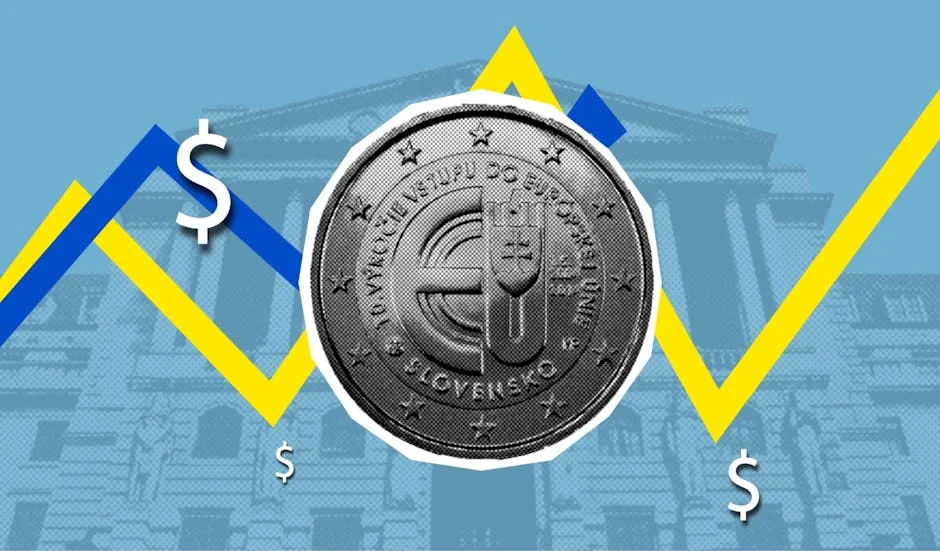
This development is not just a matter of currency fluctuation; it represents a broader economic shift that could influence trade dynamics globally. For African nations, whose economies are increasingly integrated into the global market, such shifts pose both challenges and opportunities.
African Economies and Currency Fluctuations
African countries often rely on exports to drive economic growth, with many of these exports destined for European markets. A stronger euro can make African goods more competitive in Europe, potentially boosting export revenues. However, this also means that imported goods become more expensive, which could increase inflationary pressures in countries that import significant amounts of consumer goods from Europe.
Moreover, many African countries hold substantial reserves in US dollars, and a weaker dollar could erode the purchasing power of these reserves. This could affect the ability of these countries to finance public services and development projects, particularly in sectors like healthcare and education.
Opportunities for Economic Growth
Despite the potential drawbacks, there are also opportunities for African economies to benefit from a stronger euro. Countries with robust manufacturing sectors, such as South Africa and Egypt, could see increased demand for their products in Europe. This could lead to higher employment levels and greater investments in local industries.
Additionally, a stronger euro could attract more European investors looking for stable markets to park their funds. This influx of capital could be directed towards infrastructure projects, which are crucial for fostering sustainable economic growth across the continent.
Challenges in Governance and Policy ResponseGovernments across Africa will need to carefully manage these changes to ensure they do not undermine economic stability. Central banks may need to adjust their monetary policies to counteract inflationary pressures while supporting growth. Fiscal policies will also play a critical role, as governments may need to increase spending on social safety nets to protect vulnerable populations from rising prices.
Furthermore, the challenge extends to ensuring that the benefits of increased trade and investment reach all segments of society. Effective governance and anti-corruption measures will be essential to prevent the misallocation of resources and to ensure that the gains from economic growth are widely shared.
The Broader Context of Global Economic Shifts
The current situation is part of a larger trend of shifting global economic dynamics. As the world moves towards a multipolar economic system, African countries are finding themselves at the crossroads of different economic blocs. The relationship between the euro and the dollar is just one aspect of this complex interplay.
For African leaders, the task is to navigate these waters skillfully, leveraging opportunities while mitigating risks. This requires a strategic approach that includes diversifying trade partners, strengthening regional integration, and investing in human capital through improved education and healthcare systems.
Looking Ahead: What to Watch For
As the situation unfolds, African policymakers and business leaders will need to remain vigilant. Key indicators to watch include changes in exchange rates, inflation levels, and investment flows. Additionally, the effectiveness of government responses to these challenges will be crucial in determining whether the current economic shifts lead to long-term benefits or merely exacerbate existing inequalities.
In conclusion, while the immediate impact of President Trump's comments may seem distant to many in Africa, the ripple effects could be profound. By understanding these dynamics and responding proactively, African nations can position themselves to thrive in a rapidly changing global economy.