Swiss scientists have made a groundbreaking discovery that could transform the way electronic waste is managed and valued across Africa. They have revealed that common electronic devices contain approximately 450 milligrams of 22-carat gold, potentially turning e-waste into a valuable resource.
The Hidden Treasure in E-Waste
Swiss researchers have uncovered that everyday electronic devices such as smartphones, laptops, and tablets contain significant amounts of precious metals, including gold. This revelation comes at a time when electronic waste (e-waste) is becoming an increasingly pressing environmental issue globally. In Nigeria alone, the world’s largest e-waste dumping ground, millions of tons of electronic gadgets are discarded annually, often ending up in landfills or being informally recycled without proper safety measures.
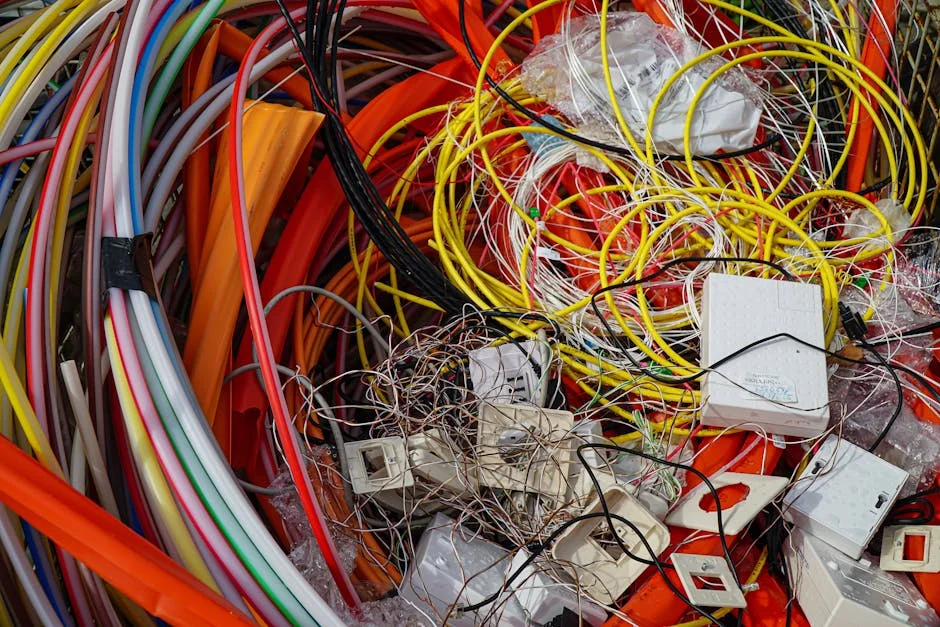
The presence of gold and other valuable materials in e-waste has been known for some time, but the precise quantities and quality have not been thoroughly documented until now. The Swiss study provides concrete evidence of the potential value locked within discarded electronics, which could be harnessed to support sustainable economic growth in Africa.
African Development Goals and Challenges
This discovery aligns closely with Africa's development goals, particularly those outlined in the United Nations Sustainable Development Goals (SDGs). By tapping into the wealth of e-waste, countries like Nigeria can make strides towards achieving SDG 8 (Decent Work and Economic Growth) and SDG 12 (Responsible Consumption and Production).
However, the continent faces several challenges in effectively managing its e-waste. Informal recycling methods, which are prevalent in many African countries, pose serious health risks to workers and contribute to environmental pollution. Moreover, the lack of robust legal frameworks and infrastructure for proper e-waste management hinders the safe and efficient recovery of valuable resources.
The Opportunity for Economic Growth
The potential economic benefits of e-waste recycling are substantial. According to the Global E-Waste Monitor 2020, the value of recoverable raw materials in global e-waste was estimated at $57 billion in 2019. If properly harnessed, these resources could provide a significant boost to local economies and create new job opportunities.
In Nigeria, where unemployment rates remain high, particularly among young people, the establishment of formal e-waste recycling industries could help address this challenge. By creating a structured approach to e-waste management, Nigeria could position itself as a leader in sustainable practices while also fostering industrial growth and innovation.
Health and Environmental Considerations
While the economic potential of e-waste recycling is promising, it is crucial to address the associated health and environmental risks. The informal sector, which currently dominates e-waste recycling in Nigeria, often involves burning cables and using toxic chemicals to extract metals, leading to severe health issues for workers and widespread pollution.
To mitigate these risks, there is a need for comprehensive policies that regulate e-waste recycling and promote safe handling practices. Collaboration between governments, private sectors, and international organizations can facilitate the development of state-of-the-art recycling facilities equipped with advanced technologies to ensure both economic and environmental sustainability.
Next Steps and Future Outlook
The findings by Swiss scientists offer a compelling opportunity for Africa to rethink its approach to e-waste. Governments across the continent should consider implementing supportive policies that incentivize responsible e-waste management and encourage investment in recycling technologies. Additionally, public awareness campaigns can play a vital role in educating consumers about the importance of proper disposal and recycling of electronic devices.
As Africa continues to urbanize and modernize, the volume of e-waste is expected to grow. By seizing the moment and transforming e-waste into a valuable resource, African nations can move closer to achieving their development aspirations while safeguarding the environment for future generations.