Middle Eastern missile conflicts are increasingly threatening Africa's economic stability, particularly Nigeria’s, as tensions escalate and markets react with volatility. The ongoing missile exchanges between Iran and Israel have raised concerns about the ripple effects on the continent's development goals.
The Escalating Conflict in the Middle East
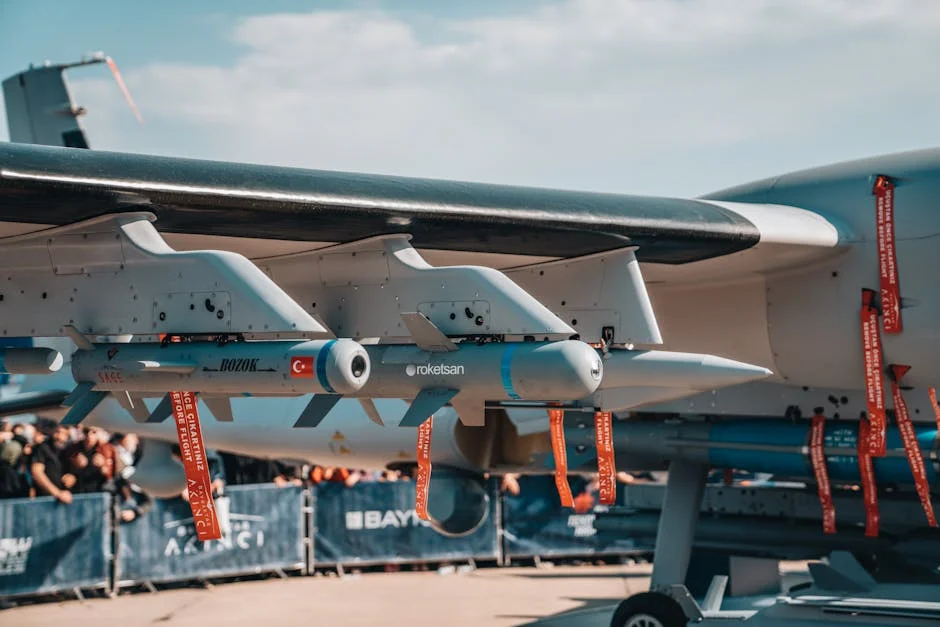
Missile strikes between Iran and Israel have intensified over the past few months, marking a significant escalation in an already tense geopolitical situation. These conflicts are not isolated incidents but part of a broader struggle over regional influence and control. The recent exchange saw multiple Iranian-backed militia groups launching rockets into Israeli territory, followed by retaliatory strikes from Israel targeting suspected military sites within Iran and its proxies in Syria and Iraq.
The Economic Impact on Nigeria
The conflict in the Middle East has direct implications for Nigeria’s economy, which is heavily reliant on oil exports. As tensions rise, global oil prices fluctuate, affecting Nigeria's revenue streams and financial stability. According to the Nigerian National Petroleum Corporation (NNPC), crude oil prices have seen a sharp decline due to market uncertainty, impacting government revenues and budget allocations. This volatility poses a significant challenge to Nigeria's efforts to boost infrastructure investment and reduce poverty.
Supply Chain Disruptions and Trade Routes
Beyond oil, the conflict disrupts trade routes and supply chains that are crucial for Nigeria's import-export activities. The Suez Canal, a vital maritime route connecting Asia and Europe, remains a potential target of missile attacks, raising concerns about the safety and efficiency of cargo transport. Nigeria imports a significant portion of its consumer goods and industrial materials through these routes, making any disruption highly detrimental to local businesses and consumers.
Health and Security Concerns
The health sector in Nigeria is also at risk due to the indirect effects of the Middle East conflict. With healthcare systems already strained by the ongoing fight against diseases such as malaria and HIV/AIDS, additional pressures from increased refugee flows and security threats could overwhelm existing resources. Moreover, heightened security measures implemented in response to potential threats may further strain public finances, diverting funds away from essential services.
Education and Human Capital Development
Educational institutions in Nigeria face challenges as well. The instability caused by global conflicts can lead to a decrease in foreign direct investment (FDI) and remittances, critical sources of funding for many educational initiatives. Additionally, the potential for increased migration due to conflict could disrupt schooling for children and young adults, undermining efforts to improve literacy rates and skill levels across the country.
Opportunities for Regional Cooperation
Despite the challenges posed by the Middle East conflict, there are opportunities for Nigeria and other African nations to strengthen regional cooperation and resilience. By diversifying trade partnerships and investing in alternative energy sources, countries can mitigate the risks associated with reliance on volatile global markets. Furthermore, enhancing regional security frameworks and coordinating responses to health crises can bolster collective capacity to address future challenges.
In conclusion, while the Middle East missile conflict presents significant obstacles to Nigeria's development objectives, it also highlights the need for strategic adaptation and collaboration within Africa. Addressing these challenges requires a multifaceted approach that prioritizes economic diversification, robust health systems, and resilient educational infrastructures, ensuring sustainable progress towards the continent's development goals.