Prime Minister Narendra Modi inaugurated major extensions of the Delhi Metro system, including the Pink and Magenta Lines, as part of ambitious plans to transform India’s capital city into a more efficient and sustainable urban environment. The expansion, which includes new routes and stations, aims to ease congestion, boost economic activity, and improve quality of life for millions of residents.
New Routes Set to Revolutionize Delhi's Public Transport
The Pink Line, already operational since 2018, will see significant upgrades, with additional stations and new connections to other metro lines. Similarly, the Magenta Line, which began service in 2019, will undergo extensions to further integrate with existing transport networks. These developments highlight India's commitment to modernizing its public transit systems, setting a precedent for other rapidly growing cities across the continent.
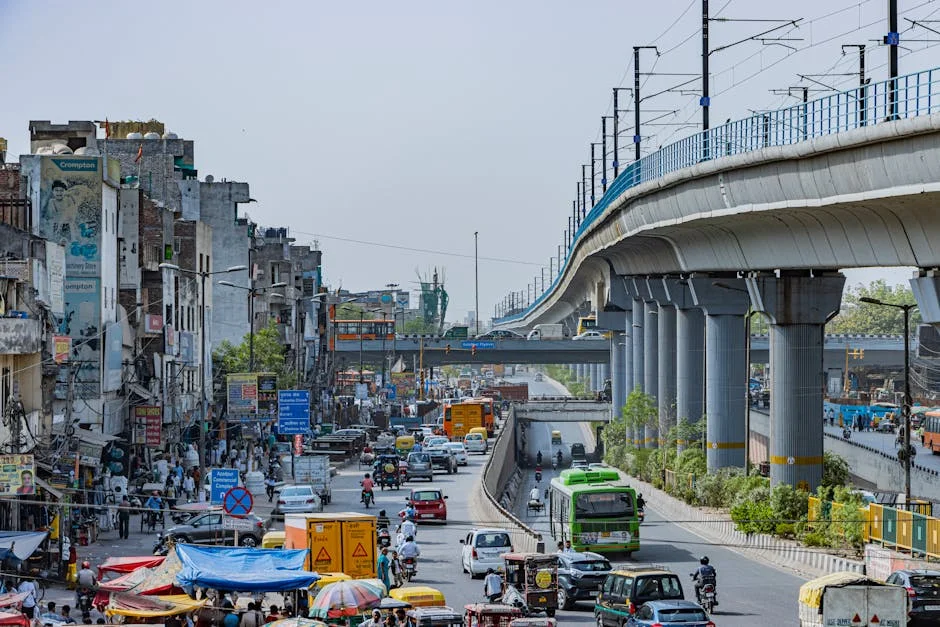
According to the Ministry of Housing and Urban Affairs, the new extensions will not only enhance connectivity but also reduce travel times significantly. For instance, commuters will now have access to over 300 stations, facilitating smoother movement across different parts of the city.
African Cities Look to Learn from Delhi's Model
Africa’s urban population is projected to nearly triple by 2050, making the continent one of the world’s fastest-growing urban areas. As such, many African cities are grappling with similar challenges of rapid urbanization, including traffic congestion, pollution, and inadequate public transportation. The Delhi Metro project serves as a case study for how developing countries can address these issues through strategic investments in infrastructure.
Urban planners in Lagos, Kinshasa, and Nairobi, among others, have been closely following the progress of the Delhi Metro. They view the Indian capital's approach as a blueprint for addressing the unique needs of their own cities. By adopting similar models, African cities could potentially achieve more efficient urban planning and management, leading to better living conditions for their citizens.
Economic Impact and Job Creation
The expansion of the Delhi Metro is expected to generate significant economic benefits. According to the Indian government, the project has already created thousands of jobs during the construction phase and promises to create even more once operational. Furthermore, improved transportation links can stimulate economic activity by reducing commuting times and improving accessibility to commercial hubs.
In Africa, where unemployment rates remain high, particularly among youth, such projects offer a potential avenue for job creation and skill development. By investing in similar infrastructure initiatives, African governments could foster economic growth and alleviate some of the socio-economic pressures faced by their populations.
Challenges and Lessons Learned
While the Delhi Metro project represents a success story, it also highlights the challenges associated with large-scale infrastructure projects. Issues such as cost overruns, delays, and environmental concerns have been reported throughout the project's lifecycle. However, these challenges have also provided valuable lessons for future endeavors.
African nations looking to emulate the Delhi Metro model must carefully consider these lessons. Ensuring transparent procurement processes, involving local communities in decision-making, and prioritizing sustainability are crucial steps toward successful implementation. Additionally, leveraging technology and innovation can help overcome logistical hurdles and ensure projects meet their intended objectives.
Regional Cooperation and Funding Mechanisms
The success of the Delhi Metro underscores the importance of regional cooperation and innovative funding mechanisms. In Africa, where resources may be limited, pooling financial resources and expertise can facilitate larger-scale projects. Regional bodies like the African Union and the Economic Community of West African States (ECOWAS) play a vital role in fostering collaboration and mobilizing support for transformative infrastructure initiatives.
Moreover, international partnerships and financing from organizations such as the World Bank and the African Development Bank can provide much-needed capital for these projects. By working together, African countries can accelerate the development of robust public transportation systems that benefit both current and future generations.
Future Prospects and Opportunities
The inauguration of the Delhi Metro extensions marks an important milestone in India's urban development journey. As African cities continue to grow and evolve, they stand to gain immensely from the experiences and innovations emerging from projects like the Delhi Metro.
By embracing best practices, leveraging regional cooperation, and securing adequate funding, African nations can embark on their own path towards sustainable urbanization. The Delhi Metro serves as a powerful reminder of the transformative impact that well-planned infrastructure projects can have on the lives of millions of people.