The ongoing crisis in the Middle East has led to the displacement of approximately 735,000 people, primarily due to escalating tensions involving Israel and Hezbollah. This humanitarian crisis, which has intensified in recent weeks, raises significant concerns about regional stability and its implications for African nations, particularly Nigeria.
Displacement Numbers Surge Amidst Violence
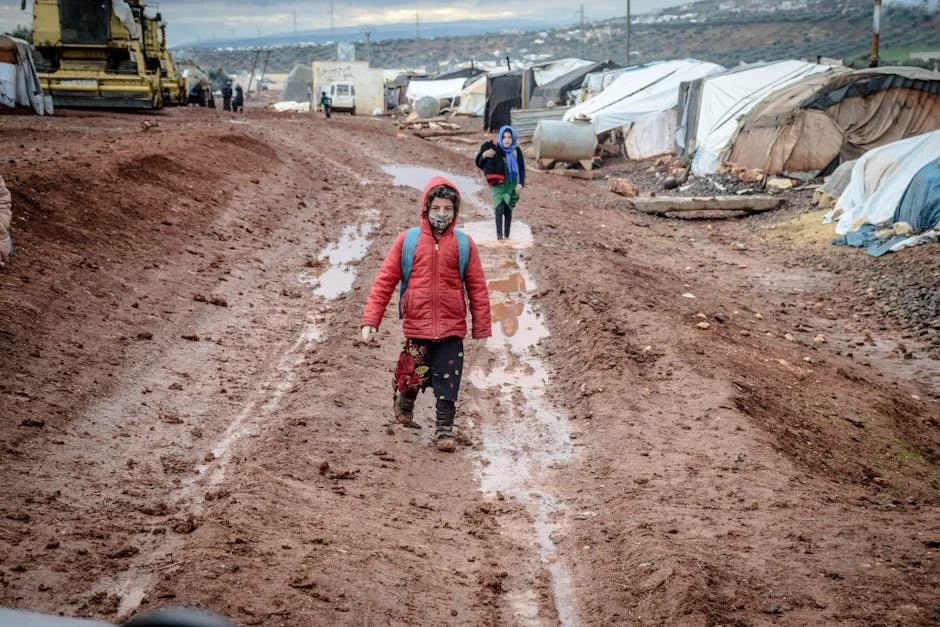
The latest developments in the Middle East reflect a dire reality for many families caught in the conflict. Reports indicate that over 735,000 individuals have been forced to flee their homes since the resurgence of hostilities. These numbers underline the gravity of the situation, with many seeking refuge in neighbouring countries or other safer locations. The violence has not only disrupted daily life but has also strained resources in regions already grappling with humanitarian needs.
Historical Context of Middle Eastern Tensions
The crisis in the Middle East is not an isolated incident. It is rooted in a complex history of political tensions and territorial disputes, particularly between Israel and Hezbollah. This backdrop of conflict has resulted in cyclical outbreaks of violence, often leaving civilians to bear the brunt of the consequences. Understanding this historical context is crucial for comprehending the ongoing developments and their far-reaching impacts.
The Ripple Effects on African Development Goals
The ramifications of the Middle Eastern crisis extend beyond its immediate borders, particularly affecting African development goals. Nations such as Nigeria, which has been historically tied to Middle Eastern politics through trade and migration, may find themselves facing increased challenges. The displacement of populations leads to a surge in refugee numbers, straining local resources and infrastructure. This situation complicates efforts to achieve sustainable development goals, such as ensuring quality education, improving health systems, and fostering economic growth.
Governance Challenges in the Wake of Crisis
As the current crisis unfolds, African countries are reminded of the importance of robust governance structures to manage potential influxes of displaced persons. Poor governance can exacerbate existing tensions and hinder the effective implementation of aid and support mechanisms. Nigeria, in particular, must consider its approach to governance as a means to mitigate the impacts of external crises and bolster its development agenda.
Opportunities for Economic Growth Through Collaboration
Despite the challenges posed by the crisis, there exists an opportunity for African nations to collaborate and address mutual concerns. The need for humanitarian assistance and infrastructure development can lead to partnerships that strengthen regional ties and promote economic growth. By sharing resources and expertise, African countries can better navigate the complexities of international crises and work towards sustainable solutions.
What Comes Next? Monitoring the Situation
As the situation in the Middle East continues to evolve, it is essential for African nations to monitor developments closely. The interconnectedness of global events means that crises in one region can significantly impact others. For Nigeria and other African countries, staying informed about the latest news in the Middle East will be vital for strategic planning and response initiatives that align with their development goals.