Farmers in the Ivory Coast are facing a dire crisis as cocoa beans rot in warehouses following a dramatic crash in global commodity prices. This crisis, which emerged in late 2023, has left thousands of farmers in despair, with the government under pressure to act swiftly to prevent further economic fallout.
Cocoa Crash Triggers Economic Turmoil in Ivory Coast
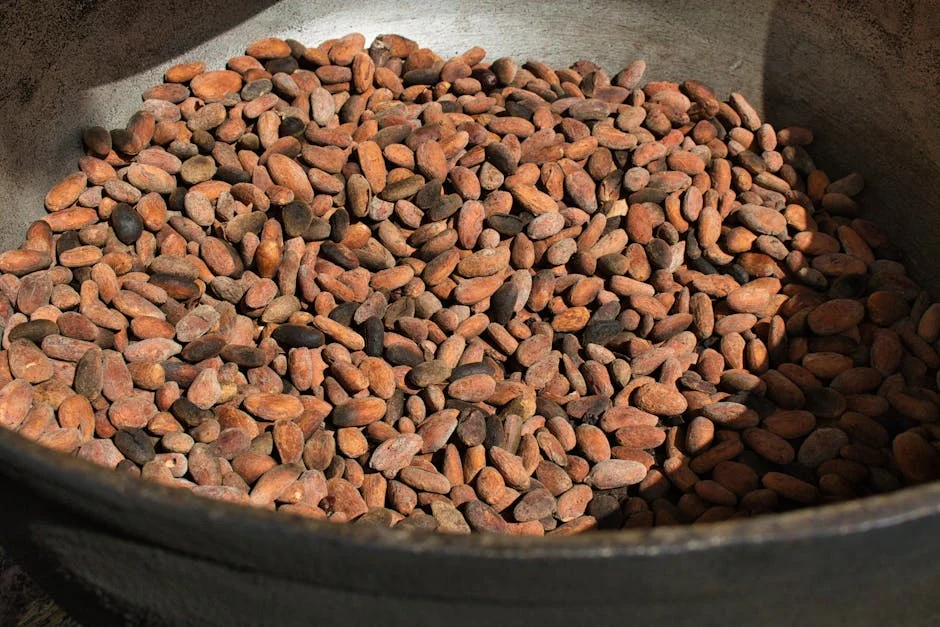
The world’s largest producer of cocoa beans, Ivory Coast, has seen a steep decline in prices, leading to an oversupply that has resulted in rotting beans across its rural landscapes. As of November 2023, cocoa prices fell nearly 30% from their peak earlier in the year, driven by a combination of poor global demand and increased production from competing nations. Farmers, once thriving on the back of this lucrative export, are now left with unsold and decaying products, threatening their livelihoods.
The Human Cost: Farmers Speak Out
Local farmers have been vocal about their plight. One farmer from the San Pedro region lamented, "We invested everything in this crop, and now it is all going to waste. The government must find a solution, or many of us will be forced to abandon our farms." This sentiment is echoed across rural communities, where cocoa is not just an economic driver but a lifeline for families. The implications of this crisis extend beyond individual farmers, impacting local economies that rely on cocoa sales for sustenance.
Why Cocoa Matters: The Broader Regional Impact
Cocoa exports account for approximately 15% of Ivory Coast's GDP and employ nearly 1 million people directly. The country's economic health is closely tied to the fortunes of cocoa, which also significantly impacts neighbouring economies like Nigeria. As the Ivory Coast struggles, the ripple effects could lead to challenges for Nigeria's cocoa sector, which may face increased competition or disruptions in supply chains. Understanding how Ivory Coast affects Nigeria is crucial for regional economic stability.
Continental Challenges and Opportunities
This crisis highlights several ongoing challenges within the African development agenda, particularly concerning commodity dependency and economic diversification. While cocoa remains a vital export for Ivory Coast, the current situation underscores the need for countries to invest in alternative crops and industries. By diversifying economies, African nations can mitigate the risks associated with fluctuating global commodity prices.
Governance and Infrastructure Needs
The response from the Ivorian government will be critical in determining the future of its cocoa sector. Calls for improved governance, better infrastructure, and strategic investments in agriculture have intensified. Farmers are advocating for more robust support systems, including financial assistance and access to better storage facilities to prevent future losses. These developments are essential not only for the immediate recovery of the cocoa sector but also for long-term sustainability and growth.
Next Steps: What to Watch For
As the situation unfolds, observers are urged to keep an eye on government initiatives aimed at stabilising cocoa prices and supporting farmers. The potential implementation of export subsidies or price controls could alter the landscape significantly. Additionally, how the government engages with farmers to rebuild trust will be crucial for recovery. This cocoa crisis is not just a local issue; it serves as a reminder of the importance of sustainable agricultural practices across Africa as nations strive to achieve their development goals.