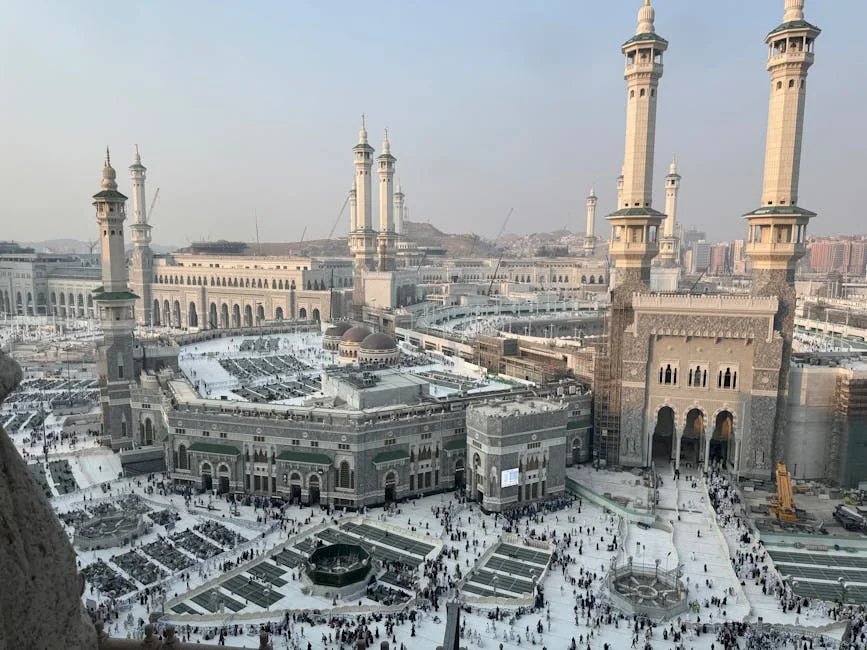
Thousands of Muslim pilgrims have found themselves trapped in Saudi Arabia amid complications surrounding the ongoing Umrah pilgrimage. This situation, which unfolded in the bustling cities of Mecca and Medina, has sparked concerns among pilgrims and governments alike, particularly in Africa, where many citizens seek to partake in the spiritual journey.
Umrah Pilgrimage Faces Unexpected Challenges
The Umrah pilgrimage, which attracts millions from around the world, has seen a surge in participation this year. However, recent logistical issues and a lack of accommodation have left tens of thousands of pilgrims stranded. As they wait for assistance, the situation raises questions about the management of such a large influx of visitors and the repercussions on the pilgrimage experience.
Nigeria's Growing Interest in Umrah: What's at Stake?
Nigeria, with one of the largest Muslim populations in Africa, has seen an increasing number of its citizens travelling to Saudi Arabia for Umrah in recent years. This year alone, estimates suggest that over 100,000 Nigerian pilgrims have made the journey, seeking spiritual fulfilment and community connection. However, the current predicament facing many pilgrims could deter future travel if the situation remains unresolved.
How Umrah Developments Affect African Nations
The challenges faced by pilgrims in Saudi Arabia are not merely logistical; they resonate deeply with African nations that rely on the pilgrimage for spiritual and economic benefits. The disruption to Umrah travel could lead to a decline in revenue for travel agencies and businesses that cater to pilgrims. Furthermore, it highlights broader issues of infrastructure and governance within the host country, raising questions about how similar challenges could be addressed in African contexts.
Reassessing Pilgrimage Management Strategies
As the situation continues to unfold, it is imperative for Saudi authorities to reassess their management strategies for the Umrah pilgrimage. Effective crowd control, adequate accommodation, and proper communication are vital to ensure that pilgrims can conduct their religious obligations without undue stress or hardship. Africa's development goals, particularly in governance and infrastructure, provide a framework for how such systems can be improved, drawing lessons from both successes and failures on the continent.
Future Implications for Pilgrimage Participation
With the current challenges, many potential pilgrims will be watching closely to see how Saudi Arabia addresses these issues. The implications for African nations could be significant; a decline in participation could affect not only individual spiritual journeys but also broader socio-economic dynamics, including remittances and community ties. As countries on the continent continue to develop and expand their economies, the importance of reliable pilgrimage routes and experiences will become increasingly critical.