The ongoing conflict in Sudan escalated again this week as both sides rejected calls for a ceasefire, raising alarms over the humanitarian crisis and its implications for African development. The clashes between the Sudanese Armed Forces (SAF) and the paramilitary Rapid Support Forces (RSF) have intensified, causing significant displacement and suffering among civilians since fighting erupted in April 2023.
Sudan's Persistent Conflict: A Brief Overview
What is Sudan? It is a country located in Northeast Africa, with a long history of political instability and conflict. The current conflict emerged from power struggles within the military, following the ousting of long-time ruler Omar al-Bashir in 2019. The SAF and RSF have clashed over control of key resources and territory, leading to a devastating humanitarian situation.
Humanitarian Crisis Deepens Amidst Violence
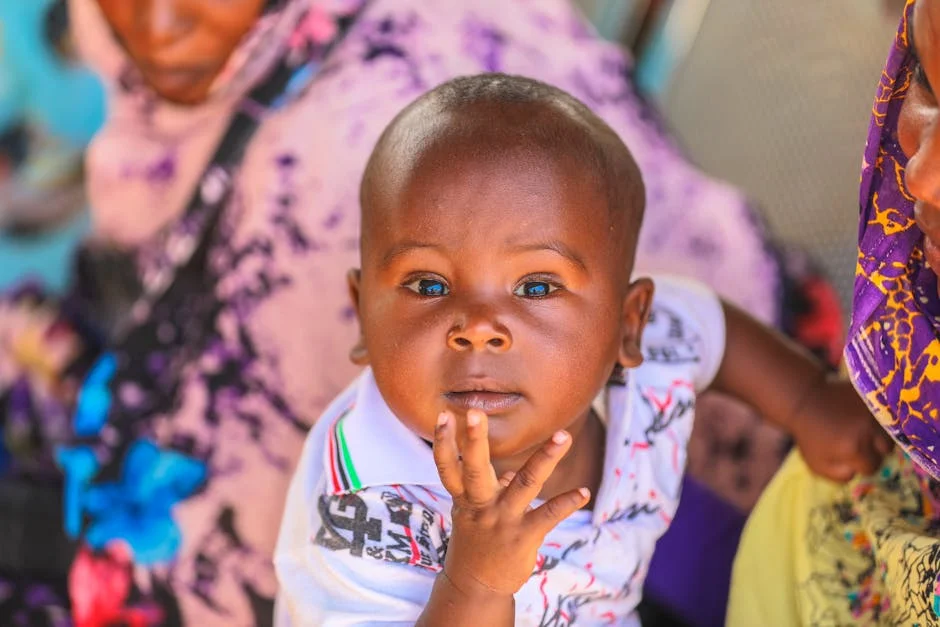
According to the United Nations, over 5 million people have been displaced due to the ongoing violence, with millions more facing food insecurity. The humanitarian response has been hampered by the ongoing fighting, making it difficult for aid workers to reach those in need. The World Health Organization has also reported a severe shortage of medical supplies, further exacerbating health crises in the region.
Impacts on Regional Stability and Development Goals
The conflict poses a significant threat to the African Union's Agenda 2063, which aims for a prosperous and integrated Africa. As Sudan continues to spiral into chaos, neighbouring countries like South Sudan and Chad are experiencing spillover effects, including an influx of refugees and increased border tensions. The instability undermines efforts to achieve sustainable development in the region, hindering investments in critical sectors such as infrastructure, health, and education.
Economic Consequences: The Ripple Effect on Nigeria
Sudan's conflict has broader implications for economic growth across Africa. Countries like Nigeria, which rely on regional stability for trade and security, are particularly vulnerable. The disruption of agricultural supply chains due to the conflict could lead to increased food prices and inflation in Nigeria, impacting everyday citizens. Moreover, the conflict complicates Nigeria's efforts to engage in pan-African initiatives aimed at fostering development and cooperation.
Future Prospects: What to Watch For
The rejection of ceasefire agreements by both sides indicates a protracted conflict that could further entrench Sudan's instability. As humanitarian needs grow, the international community faces pressure to intervene and support peace efforts. Observers will be watching closely to see if regional powers can mediate a resolution and what role the African Union will play in addressing this crisis.