Asian equities experienced a significant downturn on Monday as oil prices skyrocketed by 30% following escalating tensions in the Middle East. The crisis, ignited by renewed conflict, threatens to disrupt global oil supplies, posing serious implications for economies reliant on oil imports, especially Nigeria.
Impact of Rising Oil Prices on Nigeria's Economy
The surge in oil prices is expected to have a profound impact on Nigeria, which heavily relies on oil exports for government revenue. With oil accounting for over 90% of the nation’s foreign exchange earnings, the recent hikes could lead to increased inflation and adversely affect affordability for everyday Nigerians. Analysts warn that a prolonged period of high oil prices could amplify existing economic challenges, including currency instability and rising living costs.
Market Reactions and Economic Forecasts
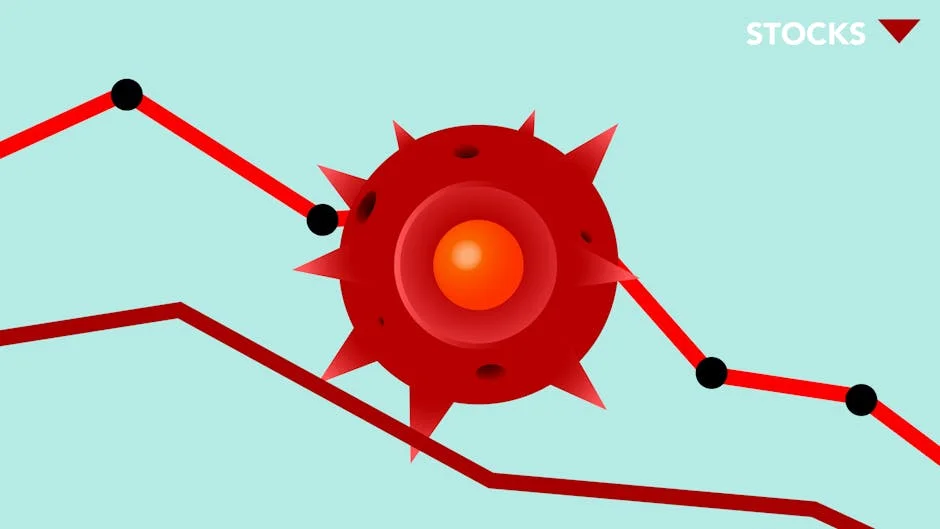
In the wake of the crisis, financial markets reacted swiftly, with Asian equities dropping sharply as investors sought refuge. The sell-off indicates growing concerns over the potential for geopolitical instability to disrupt global trade. For Nigeria, this situation is a double-edged sword; while the government may benefit from increased oil revenues, the economic strain on citizens could hinder overall development.
Continental Challenges: Governance and Economic Growth
As Nigeria grapples with the fallout from the Mideast crisis, the broader African continent faces similar challenges. Many African nations are in a precarious position, dependent on oil imports to fuel their economies. The crisis underscores the urgent need for African countries to diversify their economies and reduce reliance on oil. This is essential for fostering sustainable economic growth, improving governance, and addressing systemic issues such as poverty and health disparities.
Opportunities for Infrastructure Development
Despite the immediate challenges posed by soaring oil prices, there are opportunities for Nigeria and other African nations to invest in infrastructure development. Governments could leverage the increased oil revenues to finance projects that enhance energy security, improve transportation networks, and boost agricultural productivity. Such investments would align with the African Union’s Agenda 2063, which aims to promote sustainable development across the continent.
Monitoring Future Developments
As the Mideast crisis continues to unfold, stakeholders in Nigeria and beyond must remain vigilant. The situation serves as a reminder of the interconnectedness of global markets and the importance of strategic planning in economic governance. Observers will be watching closely to see how Nigeria navigates this turbulent period, particularly in terms of policy responses that could mitigate the impact on its citizens and economy. Understanding the implications of this crisis is crucial for shaping future development goals and fostering resilience in the face of global challenges.