Kashmir authorities announced the lifting of restrictions starting tomorrow as protests surrounding the death of Iranian leader Ayatollah Ali Khamenei begin to subside. The move comes after a week of heightened tensions in the region, primarily driven by Shia communities reacting to Khamenei's passing.
Shia Protests and Their Global Ripple Effect
The recent protests in Kashmir were a reaction to the death of Ayatollah Khamenei, a pivotal figure in Shia Islam. His leadership has had a significant impact on Shia communities worldwide, including Nigeria, where sectarian divides have occasionally resulted in unrest. The protests highlighted the interconnectedness of Shia sentiment across borders and the potential for such movements to influence political dynamics in various regions.
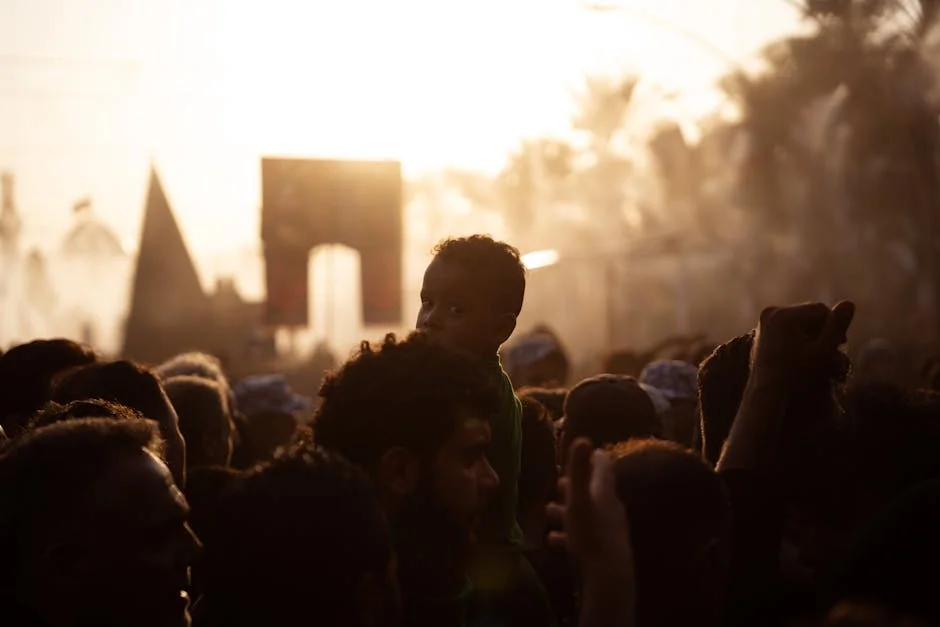
Kashmir's Response to Eased Tensions
Local authorities in Kashmir have been cautious in their approach, implementing curfews and restrictions to maintain order amid fears of escalating violence. The decision to lift these restrictions signals a return to normalcy and reflects the administration's confidence in controlling the situation. However, the underlying issues of sectarian identity remain a concern, as they could resurface under different circumstances.
Why This Matters for African Development Goals
The developments in Kashmir resonate with broader themes of governance and social cohesion, which are critical for African development goals. Countries like Nigeria face similar challenges regarding sectarian divisions and their implications for economic growth and health. Understanding the Shia experience in Kashmir can offer important lessons for African nations grappling with their own ethnic and religious tensions.
Potential Consequences and Looking Ahead
As Kashmir lifts its curbs, observers will be keen to see how the Shia community responds in the coming weeks. The situation serves as a reminder of the potential for social unrest to impact governance and development. In Africa, where diverse religious and ethnic groups coexist, the need for inclusive policies that promote unity and educational opportunities becomes increasingly urgent. The developments in Kashmir could serve as a case study for African nations seeking to better manage their own sectarian challenges.