A Johannesburg resident voiced her frustrations over persistent water shortages during a recent community meeting, highlighting a growing crisis that affects millions in the city. This rant reflects broader challenges in South Africa and raises critical questions about governance and infrastructure in the face of climate change.
Joburg's Water Crisis: The Call for Urgent Action
The resident, whose outburst has since gone viral, described the daily struggles faced by Johannesburg's inhabitants due to inconsistent water supply, particularly during the dry season. South Africa is grappling with water scarcity exacerbated by climate change, poor infrastructure, and inadequate governance. Many households in the city have experienced days without running water, leading to frustration and anger among residents.
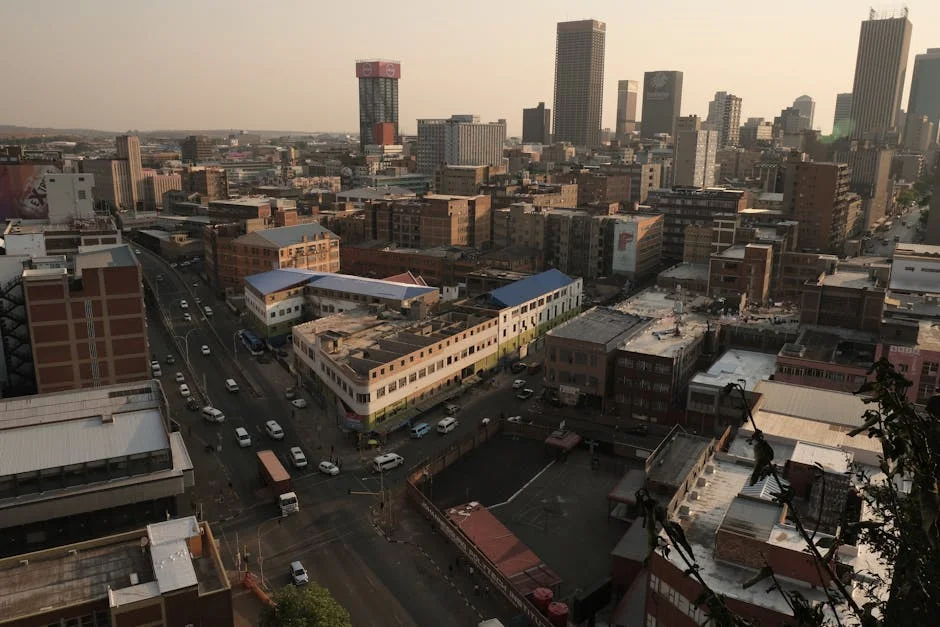
Infrastructure Failures: A Systemic Issue
Johannesburg's water crisis is not just a localised issue but emblematic of systemic failures in infrastructure management across Africa. According to a recent study by the African Development Bank, nearly 350 million people in Africa lack access to clean drinking water. The situation in Johannesburg serves as a stark reminder of the urgent need for improved infrastructure investments and governance to meet the continent's development goals.
Governance and Accountability: The Missing Link
The resident's passionate appeal has sparked discussions about accountability in local government. Critics argue that mismanagement and corruption have hindered effective water management systems in Johannesburg and beyond. This situation raises questions about how governance structures are failing to meet the basic needs of citizens and what reforms are necessary to address these deficiencies.
Opportunities for Pan-African Collaboration
Amid the challenges, there are opportunities for collaborative solutions. Countries across Africa can learn from each other’s experiences in tackling water scarcity. For example, innovations in rainwater harvesting and water recycling in various African nations could be emulated in Johannesburg. By fostering partnerships and sharing best practices, African nations can work towards achieving the United Nations' Sustainable Development Goals, particularly Goal 6, which aims to ensure availability and sustainable management of water and sanitation for all.
The Ripple Effect: What This Means for Nigeria and Beyond
As Johannesburg continues to grapple with its water crisis, the implications extend beyond its borders. Nigeria, as one of Africa's most populous countries, is closely monitoring Joburg's struggles, given the historical ties and economic partnerships between the two nations. The water shortages could potentially impact trade and economic relations, necessitating a dialogue on shared resources and sustainable practices.
Johannesburg's water crisis underscores the urgent need for African nations to prioritise infrastructure development, effective governance, and sustainable practices to ensure the well-being of their citizens. As citizens raise their voices in frustration, it is crucial for policymakers to listen and act decisively to pave the way for a more resilient future for all Africans.