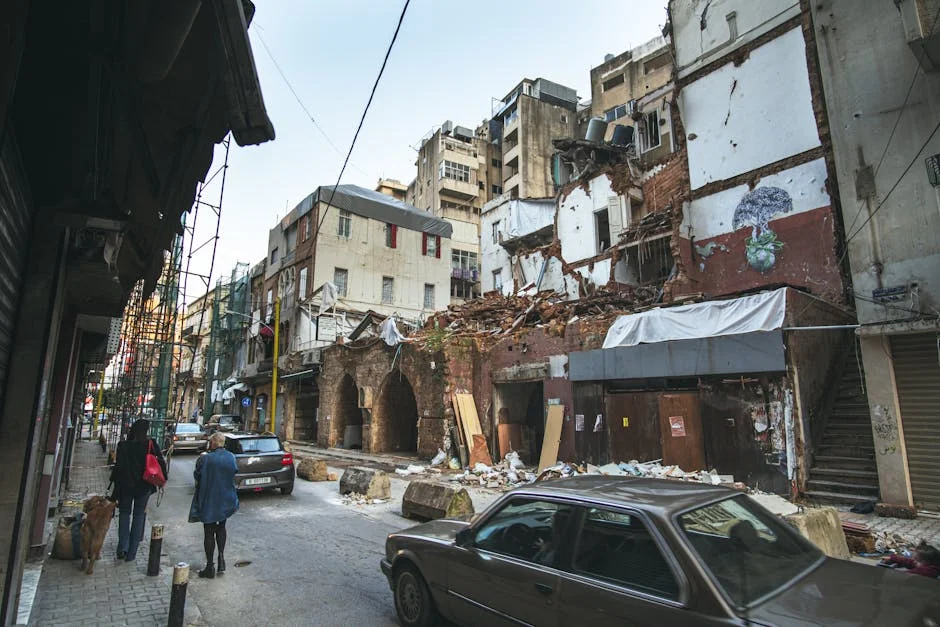
Israeli airstrikes targeted Hezbollah strongholds in Beirut on October 10, 2023, causing widespread destruction and displacing thousands of residents. The military operation was a response to escalating tensions between Israel and Hezbollah, amid ongoing conflict in the region.
Humanitarian Crisis Unfolds in Beirut
The recent Israeli strikes have led to a significant humanitarian crisis in Beirut, with thousands fleeing their homes to seek safety. Reports indicate that the strikes were aimed at military infrastructure operated by Hezbollah, which has been a longstanding adversary of Israel. The Lebanese government has called for international assistance to address the immediate needs of displaced families.
Lebanon’s Fragile Stability at Risk
This escalation threatens Lebanon's already fragile stability, a country still recovering from years of civil war and economic turmoil. The Lebanese economy, which has faced severe challenges, including a financial collapse, is now at risk of further deterioration due to the influx of displaced populations and the destruction of infrastructure. Aid organizations warn that the strikes could exacerbate the humanitarian situation, leading to food insecurity and health crises.
Regional Impact and African Development Goals
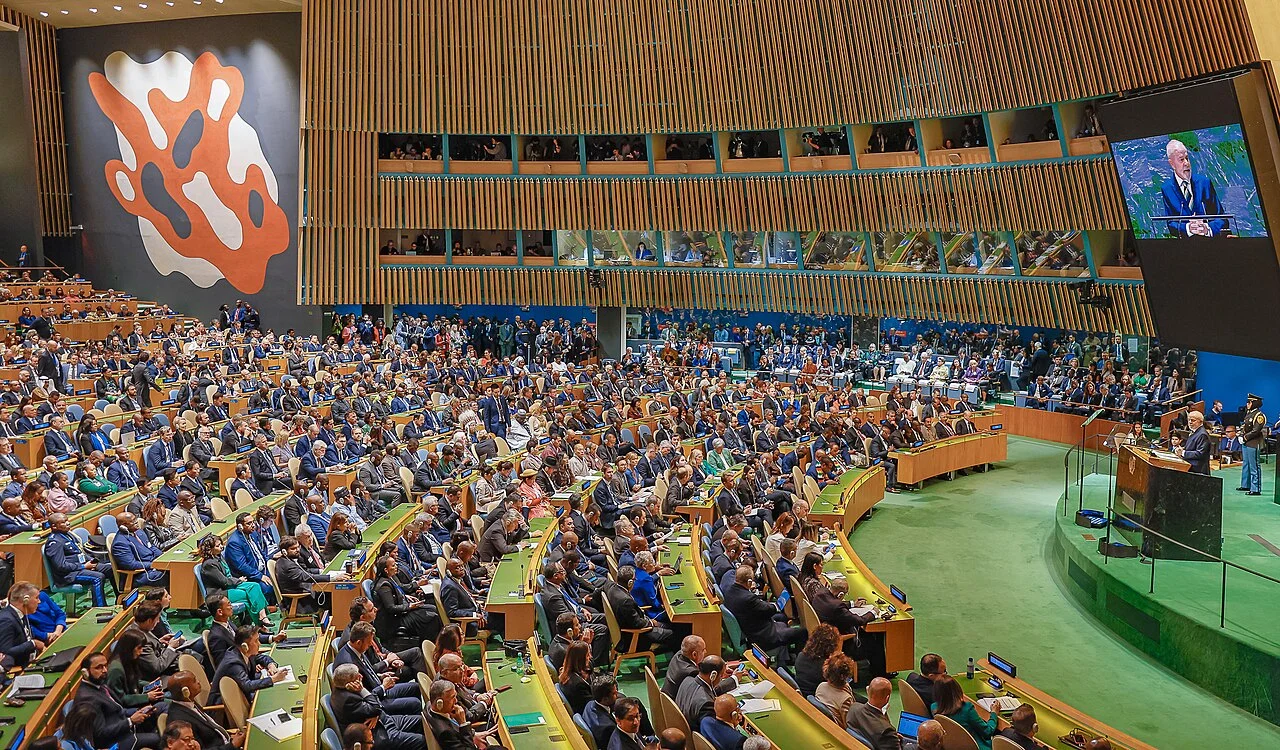
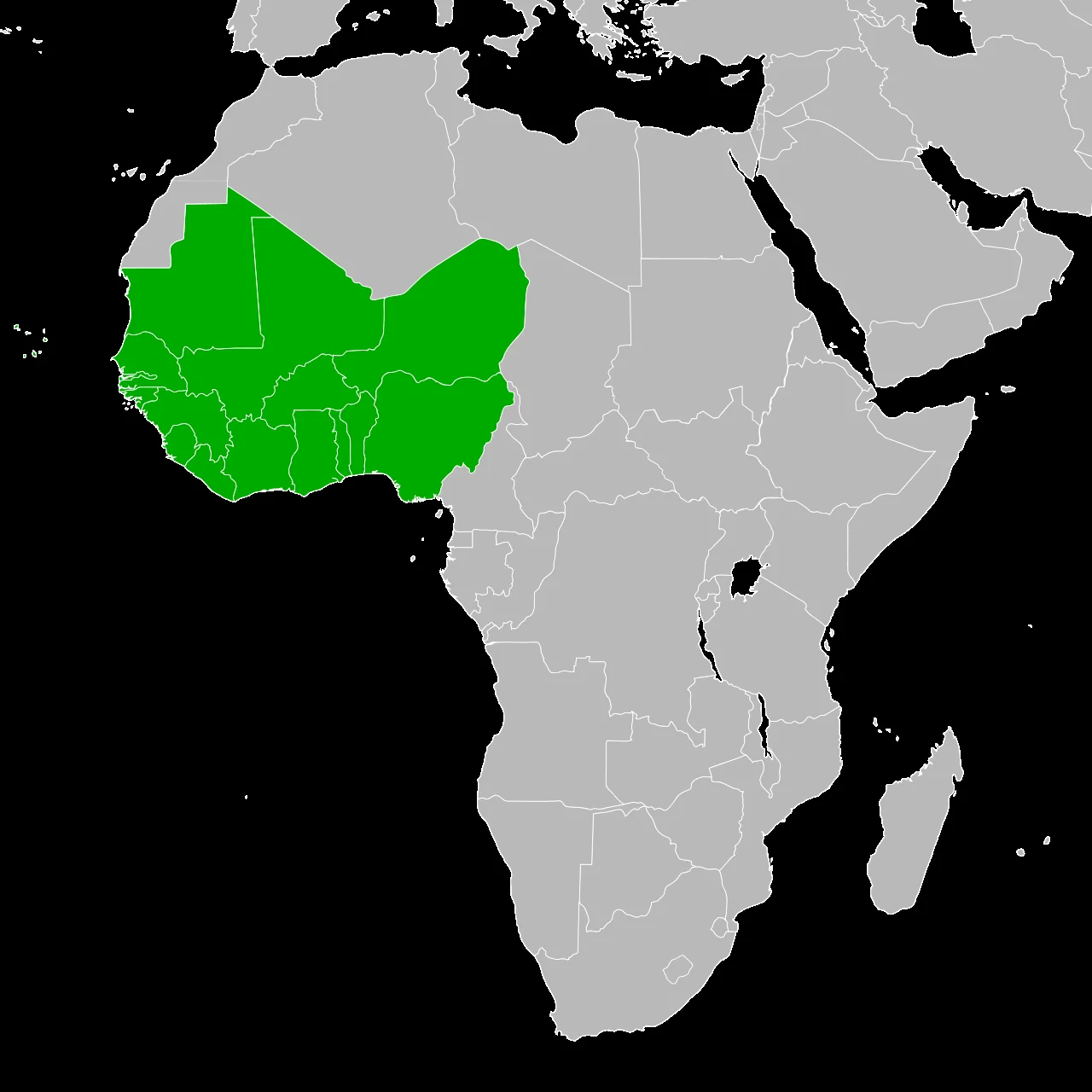
The conflict in Lebanon and Israel not only affects the Middle East but also has far-reaching implications for African nations, particularly Nigeria. As Lebanon grapples with its internal challenges, the ripple effects could impact trade routes and diplomatic relations. For Nigeria, a country that has shown interest in stabilising its economy and enhancing regional ties, developments in Lebanon serve as a reminder of the importance of governance and conflict resolution in achieving African development goals.
The Role of African Nations in Mediation Efforts
As African nations strive for peace and stability, the crisis in Lebanon underscores the necessity for proactive governance and a commitment to conflict resolution. Countries such as Nigeria may need to play a more significant role in diplomatic efforts, promoting dialogue in the Middle East and engaging with international partners to find sustainable solutions. The situation in Beirut provides an opportunity for African leaders to reflect on their approaches to governance and economic growth amidst continental challenges.
What’s Next for Lebanon and the Region?
The international community is watching closely as the situation unfolds in Beirut. Humanitarian organisations are mobilising resources to assist those affected by the strikes. As Lebanon deals with the immediate aftermath of the conflict, it is crucial for African nations to remain engaged, understanding that regional stability contributes to continental development goals. The lessons learned from Lebanon can inform strategies for conflict resolution and economic recovery across Africa.