As the conflict in The Middle East enters its seventh day, Iranian leaders have hinted at deploying 'unseen' weapons, intensifying the already volatile situation. This warning comes as the US and Israel ramp up military operations in the region, raising concerns over the potential global repercussions, including impacts on Africa's stability and development.
Iran's Stark Warning Amid Escalating Conflict
On the seventh day of renewed hostilities, Iranian Ayatollah Ali Khamenei has issued a stark warning regarding the possible deployment of advanced weaponry, indicating that the world should brace for 'painful blows.' This statement comes amidst heightened military activity from US and Israeli forces, which have intensified airstrikes targeting Iranian assets in the region.
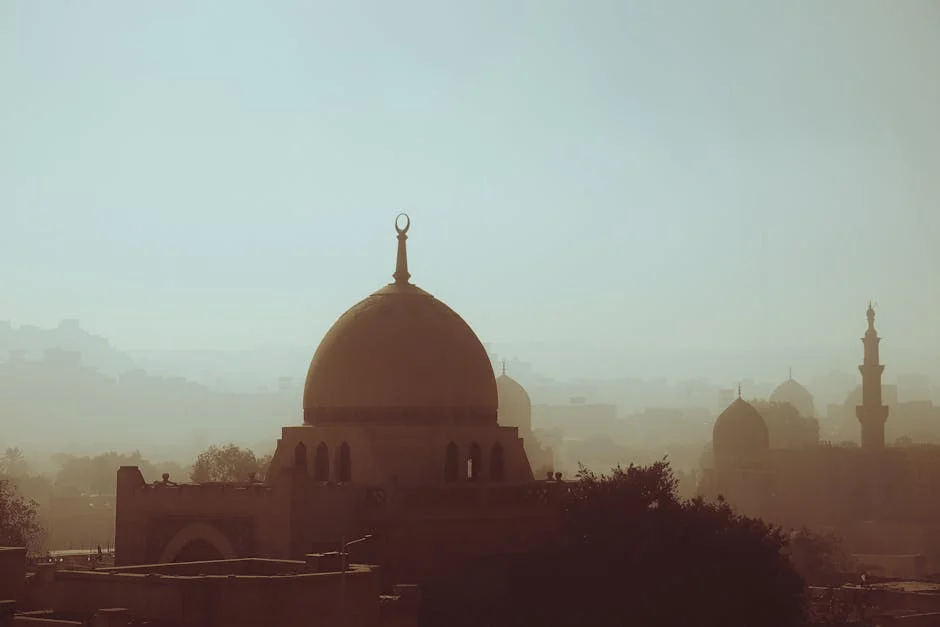
Historical Context of The Middle East Conflict
The roots of the ongoing conflict in The Middle East are complex, involving a long history of geopolitical tensions, sectarian divides, and external influences. The recent escalation can be traced back to longstanding disputes involving Israel, Iran, and various militant groups in the region. This conflict is not only confined to the Middle East; its ramifications can extend to global markets and political stability.
Potential Consequences for Africa
The conflict's impact resonates far beyond its geographical boundaries, particularly affecting nations like Nigeria. As a key player in Africa's political and economic landscape, Nigeria faces challenges related to oil prices, security issues, and migration patterns as a direct result of instability in The Middle East. Rising oil prices driven by conflict often lead to economic strain on Nigeria, impacting development goals and infrastructure projects across the continent.
How The Middle East Affects Nigeria's Development Goals
The ongoing instability in The Middle East can hinder Nigeria's progress towards its development goals, particularly in sectors such as health, education, and governance. For instance, increased military spending may divert resources away from essential services, hampering efforts to improve healthcare and educational facilities. Furthermore, any disruptions in oil supply chains can negatively affect Nigeria’s oil-dependent economy, limiting growth opportunities.
Opportunities Amidst Challenges
Despite the grim outlook, Africa, and particularly Nigeria, can find opportunities amidst these challenges. The current crisis may encourage African nations to strengthen intra-continental trade and economic partnerships, reducing dependency on external markets vulnerable to geopolitical tensions. Additionally, Nigeria has the potential to enhance its role as a stabilising force in West Africa, promoting regional cooperation and security.
What to Watch For Next
As the situation evolves, observers should keep an eye on potential shifts in global oil prices and their effects on African economies. Furthermore, the international community's response to the conflict and its implications for African governance and economic policies will be crucial in shaping the continent's future. Engaging with the challenges posed by The Middle East, African leaders have an opportunity to redefine their strategies and foster resilience against external shocks.