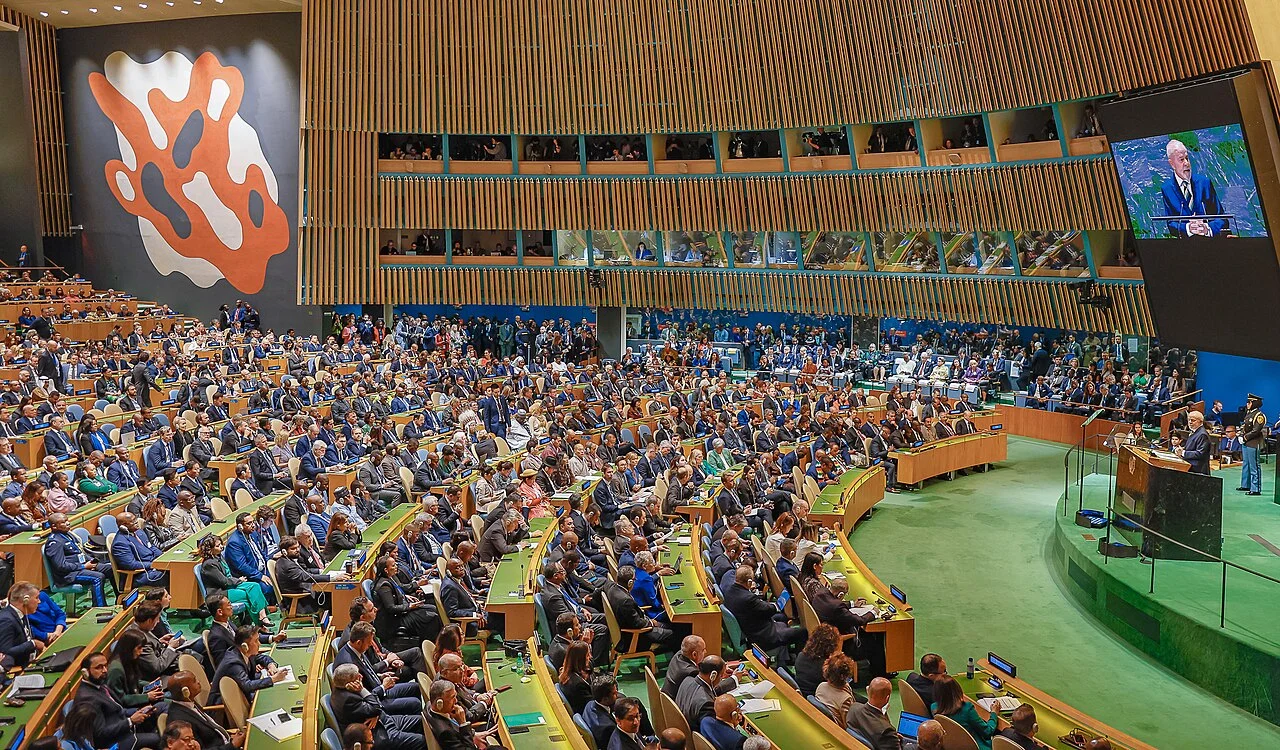
Farooq Abdullah, a prominent leader of the National Conference in India, has publicly condemned the influence of foreign capital on domestic policy in New Delhi, stating that no external entities should dictate India's direction. This statement comes as India seeks to bolster its economic independence amid growing international scrutiny.
Abdullah's Stance on Foreign Influence
During a recent speech in New Delhi, Abdullah articulated his concerns regarding foreign capital's role in shaping national policy. He emphasised that India's sovereignty should not be compromised by external financial interests, particularly from countries like Russia, which have increasingly engaged in capital flows to India. This statement reflects a broader sentiment within India about maintaining economic autonomy while navigating complex global partnerships.
The National Conference's Position on Economic Sovereignty
The National Conference, under Abdullah's leadership, has consistently advocated for local interests over foreign influence. This position aligns with a growing trend among developing nations, especially in Africa, where leaders are cautioning against over-reliance on foreign investments that do not prioritise national development goals. Abdullah's remarks resonate with many in Africa, where economic sovereignty is crucial for achieving developmental objectives.
Implications for African Development Goals
As African countries strive to meet their development goals, Abdullah's insights provide a significant lens through which to examine their own policies concerning foreign capital. Many African nations aim to bolster infrastructure, health, and education systems through sustainable economic growth, yet they often find themselves at the mercy of foreign investors who may not align with their long-term objectives. The challenge lies in balancing necessary foreign investments with the imperative to maintain control over national resources and policies.
New Delhi's Influence on Global Economic Dynamics
New Delhi has become a key player in global economic discussions, with its burgeoning market attracting both Western and Eastern investments. Abdullah's warning serves as a reminder that as India navigates these waters, its decisions may have ripple effects across the developing world. For Africa, understanding the dynamics of New Delhi's economic policies could offer valuable lessons in managing foreign investments while safeguarding national interests.
Looking Forward: Lessons for Nigeria and Beyond
As Nigeria and other African nations observe the developments in New Delhi, they should consider Abdullah's stance as a strategic guide. The ongoing debate about the role of foreign capital in domestic economies is relevant for Nigeria, where the economy faces significant challenges, including infrastructural deficits and health crises. By reflecting on Abdullah's insights, Nigerian policymakers might better navigate the complexities of foreign investment while ensuring that such capital contributes to the nation's growth and development goals.