West African cocoa farmers are grappling with severe financial distress following a significant drop in global cocoa prices, despite an enduring demand for chocolate. This crisis, which began in early 2023, has left many farmers unable to sustain their livelihoods, raising urgent questions about the economic stability of the region.
Plummeting Cocoa Prices Cause Despair
In recent months, the price of cocoa has dropped from record highs of $3,600 per tonne to approximately $2,400, severely impacting farmers in countries like Côte d'Ivoire and Ghana, which together produce about 60% of the world's cocoa. The decline has been attributed to several factors, including increased production, global supply chain disruptions, and evolving consumer preferences favouring alternatives.
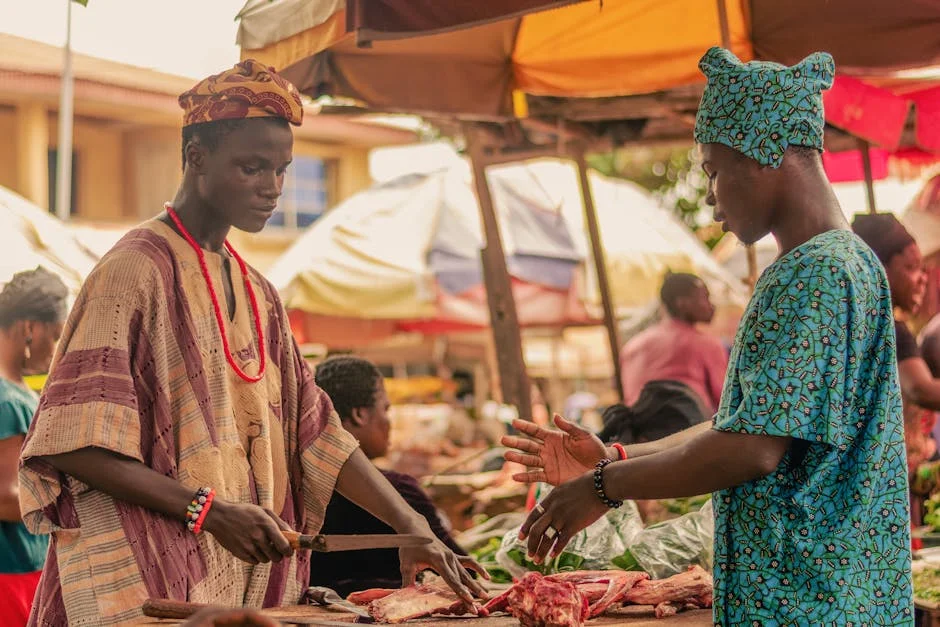
Farmer Struggles Amid Global Demand
Despite the global chocolate industry experiencing consistent demand, West African farmers are not reaping the benefits. A recent report revealed that many cocoa producers are now earning less than the minimum wage, forcing them into a cycle of poverty. Farmers like Kojo Mensah from Ghana lamented, "We work hard in the fields, but with these prices, we cannot even buy food for our families." This situation poses a significant challenge not only to individual livelihoods but also to national economies dependent on cocoa exports.
Addressing the Challenges: A Call for Action
This crisis presents an opportunity for governments and NGOs to address systemic issues in the cocoa supply chain. Investing in infrastructure, healthcare, and education for farmers could enhance their resilience against market fluctuations. Furthermore, diversifying crops and providing better access to financial services could mitigate the risks associated with cocoa dependency.
Impact on Nigeria: What Lies Ahead
The cocoa market crash in West Africa has significant implications for Nigeria, which also relies on cocoa as a critical cash crop. Although Nigeria is not the largest producer, it is witnessing rising interest from farmers entering the cocoa market. However, the current crisis raises concerns about how it may affect local producers and the potential for economic growth in the sector. Analysts warn that Nigeria must learn from the challenges faced by its neighbours to avoid similar pitfalls.
Potential Solutions for Sustainable Development
In line with the African Union's Agenda 2063, which emphasises sustainable development and economic growth, stakeholders must come together to create solutions. This could involve developing fair pricing mechanisms that guarantee a living wage for farmers, thus supporting their families and communities. Enhanced governance and transparency in the cocoa sector are crucial to ensure that the benefits of cocoa production are equitably distributed.
Conclusion: A Path Forward
The current cocoa market crisis serves as a wake-up call for all stakeholders involved in the West African cocoa supply chain. As the region grapples with this challenge, the focus must shift towards sustainable practices that ensure economic stability for farmers. By investing in infrastructure, education, and health, West African nations can create a more resilient agricultural sector that not only meets global demand but also uplifts local communities.