Beatriz Pacheco Pereira, the director of the Fantasporto film festival, has called for increased support and additional screening venues in Porto to ensure the festival's future success. This plea comes amid ongoing discussions about the festival's role in promoting cultural development and tourism in the region.
Fantasporto's Impact on Porto's Cultural Landscape
The Fantasporto film festival, established in 1981, has long been a cornerstone of Porto's cultural identity, showcasing a diverse range of films from around the world. As Beatriz Pacheco Pereira highlighted, the festival not only attracts international filmmakers but also fosters local talent, contributing significantly to the creative economy in Porto.
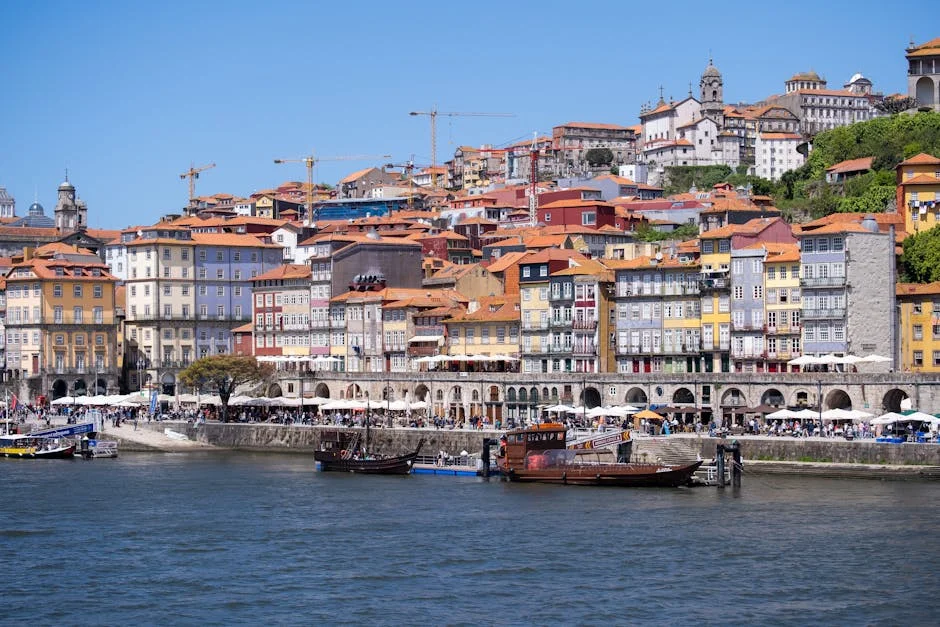
In recent years, however, the festival has faced challenges, including budget constraints and a declining number of screening venues. Pereira's call for more support aims to revitalize Fantasporto, emphasizing its importance in enhancing Porto's visibility on the cultural map.
The Nexus Between Culture and Economic Growth
Porto's cultural festivals, including Fantasporto, play a critical role in the city's economic growth. The influx of tourists during the festival season generates substantial revenue, benefiting local businesses and creating jobs. Pereira's demands for increased support align with broader African development goals, where cultural initiatives are recognised as vital to stimulating economic activity.
In the context of Nigeria, which has a burgeoning film industry often referred to as Nollywood, the lessons from Porto’s experience could provide insights into how cultural festivals can be leveraged for greater economic impact. As Nigeria aims to bolster its creative sector, understanding the dynamics of Porto's success could offer valuable strategies.
Challenges Facing Cultural Festivals
Despite their potential, cultural festivals around the world, including Fantasporto, face numerous challenges. Funding cuts and competition for audiences have put many festivals at risk. Pereira's appeal for more support underscores the need for collaborative efforts between public and private sectors to safeguard these cultural institutions.
This situation resonates with similar challenges faced in Africa, where many regions struggle to fund arts and culture initiatives adequately. By addressing these issues collaboratively, both Porto and African countries like Nigeria could create more sustainable cultural ecosystems.
Opportunities for Collaboration and Growth
The future of Fantasporto hinges on not only local support but also international partnerships. Pereira’s vision includes expanding the festival’s scope to include more diverse films and workshops, which could attract a broader audience and enhance its educational impact.
For Nigeria, engaging with festivals like Fantasporto could open doors for cultural exchange and collaboration, promoting African cinema on global platforms. Such partnerships could also empower local filmmakers by providing them with exposure and opportunities to learn from international peers.
What’s Next for Fantasporto?
As Porto’s cultural stakeholders rally around Pereira's call for action, the future of Fantasporto remains uncertain but filled with potential. The response from local government and businesses will be crucial in determining whether the festival can thrive in an increasingly competitive cultural landscape.
For Nigeria, the developments in Porto serve as a reminder of the importance of supporting cultural initiatives as a means of driving economic growth and social cohesion. Observers will be watching closely to see how these dynamics unfold and what they might mean for Africa’s own cultural development strategies.