In a thrilling encounter, Barcelona faced off against Rio Breogán in a nail-biting match that highlighted the disparities in sports infrastructure, development, and governance between Europe and Africa. Held recently, the game was not merely a display of athletic prowess but a mirror reflecting significant challenges facing youth sports in Nigeria and other African nations.
Barcelona's Global Influence on Sports
Barcelona, known for its rich footballing legacy, has long been a beacon of excellence in sports, attracting talent from across the globe. This match served as a platform to showcase not just skill but also the comprehensive support system that fuels elite sports. The city's commitment to sports development is evidenced by its cutting-edge facilities and robust training programmes, setting a standard that many African nations, including Nigeria, strive to emulate.
Infrastructure Gaps: A Barrier to Development
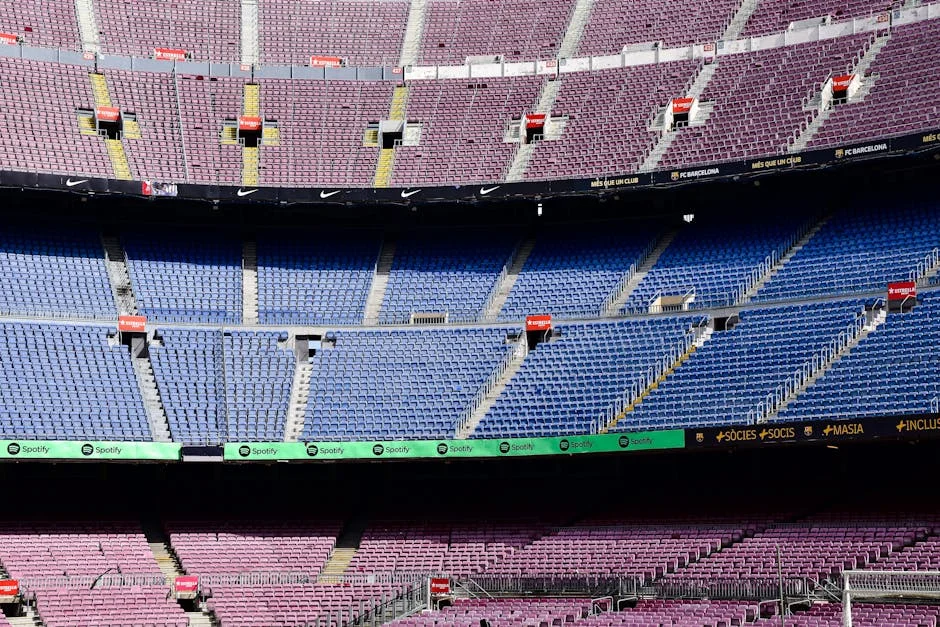
While Barcelona boasts state-of-the-art sports venues and training facilities, Nigeria grapples with inadequate infrastructure that hinders the growth of local talent. Recent studies indicate that only a fraction of Nigerian youths have access to proper sports facilities, which has a direct impact on the country’s ability to nurture athletic talent. This disparity was starkly visible during the match, as the level of play showcased by Barcelona players contrasted sharply with the developmental hurdles faced by aspiring athletes in Nigeria.
Health and Education: Vital Components for Success
Health and education systems in Africa are critical to fostering sports talent, yet they often fall short. Barcelona’s success is partly attributed to its focus on the holistic development of athletes, including physical health, mental training, and education. In Nigeria, the lack of similar programmes often leads to a shortfall in performance and potential, emphasising an urgent need for reforms that prioritise health and educational support for athletes.
Governance: Lessons from the Catalan Giant
The governance model of FC Barcelona highlights the importance of effective management in sports organisations. The club operates on a democratic model, involving fans in decision-making processes, which ensures accountability and transparency. In contrast, many Nigerian sports federations struggle with governance issues, resulting in mismanagement and a lack of strategic direction. Learning from Barcelona’s governance structure could provide valuable insights for Nigerian sports administrators seeking to enhance the effectiveness of their organisations.
Economic Growth Through Sports Development
Investing in sports can drive economic growth, as evidenced by Barcelona's impact on local businesses and tourism. The financial model surrounding sports in Europe showcases how strategic investments can yield substantial returns. For Nigeria, harnessing the economic potential of sports through improved infrastructure and governance could lead to job creation, tourism, and increased national pride. The ongoing developments in Barcelona provide a framework for African nations to rethink their approach to sports as a catalyst for economic advancement.
What’s Next for Nigerian Sports?
As the conversation around sports development in Africa continues to evolve, the lessons learned from Barcelona’s recent match against Rio Breogán should not be ignored. For Nigeria to fully realise its potential in sports, stakeholders must focus on critical areas such as infrastructure, health, education, and governance. Strengthening these components will not only enhance the performance of athletes but also contribute to broader economic and social development in the country.