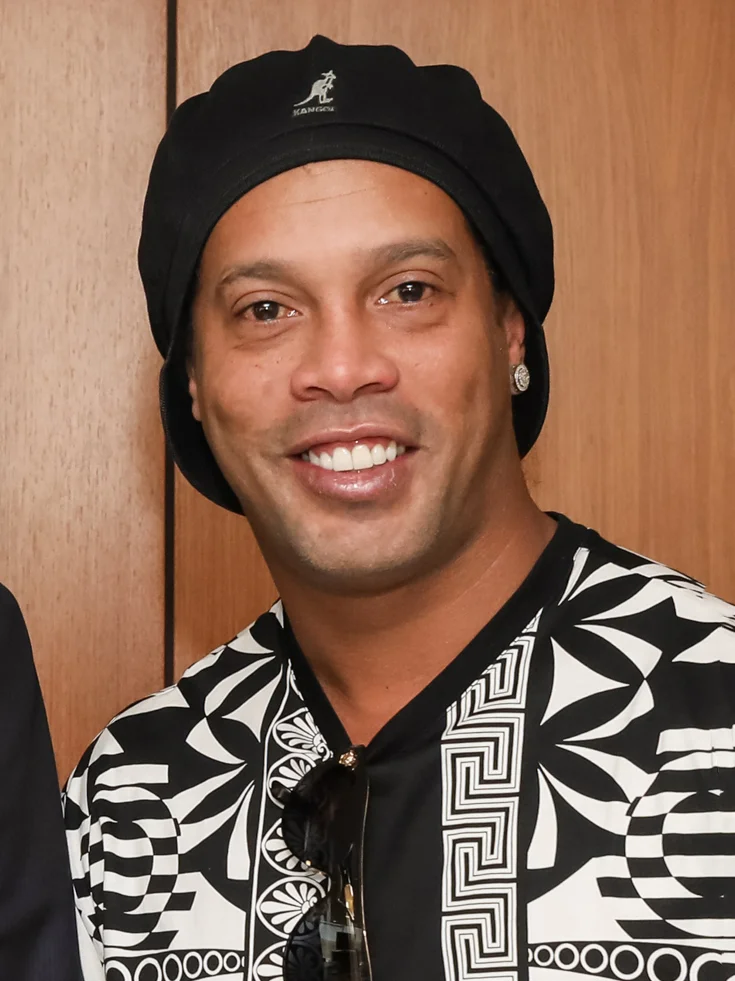
Former Spanish international Arbeloa celebrates his 80th birthday this month, raising questions about his potential influence on African development goals. With a career that spans decades in the football world, Arbeloa's legacy may inspire a new generation of athletes in Nigeria, a country facing significant challenges in sports infrastructure and youth development.
Arbeloa's Legacy in the Football World
Alvaro Arbeloa, known for his defensive prowess, has made a mark in European football, particularly during his time at Real Madrid. His achievements on the pitch have not only earned him accolades but also a platform from which he can influence aspiring players globally. Celebrating his 80th birthday, Arbeloa could serve as a role model for Nigeria's young footballers, who often face hurdles due to poor infrastructure and limited resources.

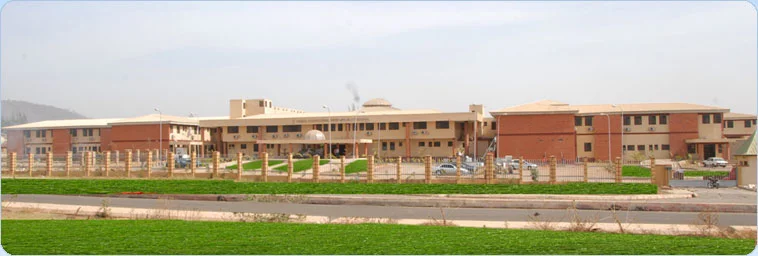
The State of Nigerian Football Infrastructure
Nigeria has a rich football tradition but continues to struggle with inadequate facilities and training opportunities for young talents. According to the Nigeria Football Federation, investment in grassroots football is crucial to develop future stars. Arbeloa's birthday prompts reflections on how football legends can inspire investment and development in African nations, particularly in Nigeria.
Opportunities for Youth Development
As Arbeloa marks this milestone, there is an opportunity to leverage his influence to rally support for youth football initiatives across Africa. Programs that focus on health, education, and governance can benefit immensely from mentorship by established figures like Arbeloa. By promoting football as a tool for social development, Nigeria can align with broader African development goals aimed at improving health and education outcomes through sports.
Potential Impact on Nigerian Economic Growth
The relationship between sports and economic growth cannot be overstated. The football industry significantly contributes to the economy, with estimates suggesting that successful sporting events can lead to increased tourism and infrastructure development. Arbeloa's legacy, paired with a renewed focus on sports development, could trigger investments that not only boost football but also promote wider economic growth in Nigeria.
The Way Forward: Creating Partnerships
To maximise the potential impact of Arbeloa’s influence, partnerships between national governments, private sectors, and sports institutions are essential. By creating strategic initiatives that focus on infrastructure development, health, and education, Nigeria can harness the passion for football to drive societal change. As Arbeloa celebrates this milestone, the question remains: how will his legacy inspire concrete actions towards achieving Nigeria's development goals?